
LED Beam Projector Buying Guide: Beam Angle, Power, IP Rating, and Control Options
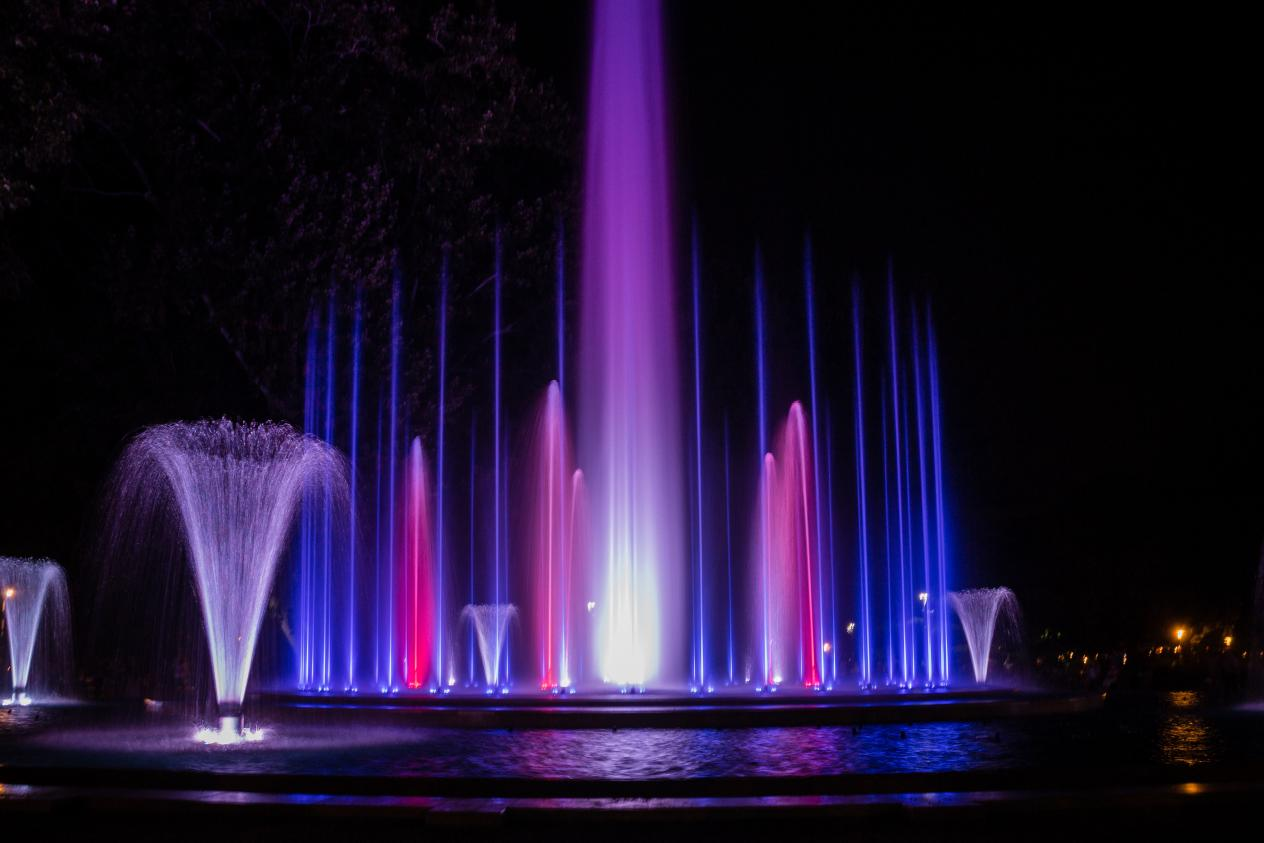
Choosing an LED Beam Projector for outdoor work is rarely just about lumen output. In roads, plazas, façades, and public areas, beam angle, power, protection level, and controls shape the real project result.
A fixture that looks strong on paper may still create glare, uneven coverage, maintenance risk, or control incompatibility. That is why specification review matters early, especially in large urban lighting plans.
For project-based outdoor lighting, the better question is not simply how bright an LED Beam Projector is, but how well it performs in its exact environment over time.
Why LED Beam Projectors matter in outdoor lighting
An LED Beam Projector is commonly used where focused light distribution is required. Typical applications include landscape accents, architectural features, pedestrian zones, bridge structures, and selected roadway elements.
These projects often involve long operating hours, exposure to rain and dust, and strict expectations for visual consistency. In that context, poor fixture selection can affect both installation quality and lifecycle cost.
This is also where integrated project support becomes relevant. In large-scale environments, product choice must align with control systems, site conditions, and long-term maintenance planning.
Lishida Smart Lighting works in exactly this space, supporting roads, public spaces, and complex urban environments with products, smart controls, and engineering-based delivery experience.
Beam angle determines coverage, contrast, and comfort
Beam angle is one of the most important specifications in an LED Beam Projector. It controls how concentrated or wide the light spreads after installation.
A narrow beam is useful for highlighting tall surfaces, sculptures, columns, or distant targets. It increases intensity on a smaller area and creates stronger contrast.
A wider beam works better when the goal is broader coverage, softer transitions, and fewer dark zones. This is often preferred in public spaces where visual comfort matters more than dramatic effect.
In practical evaluation, beam angle should be reviewed together with mounting height, setback distance, and target surface size. A mismatch here usually leads to wasted output or visible hotspots.
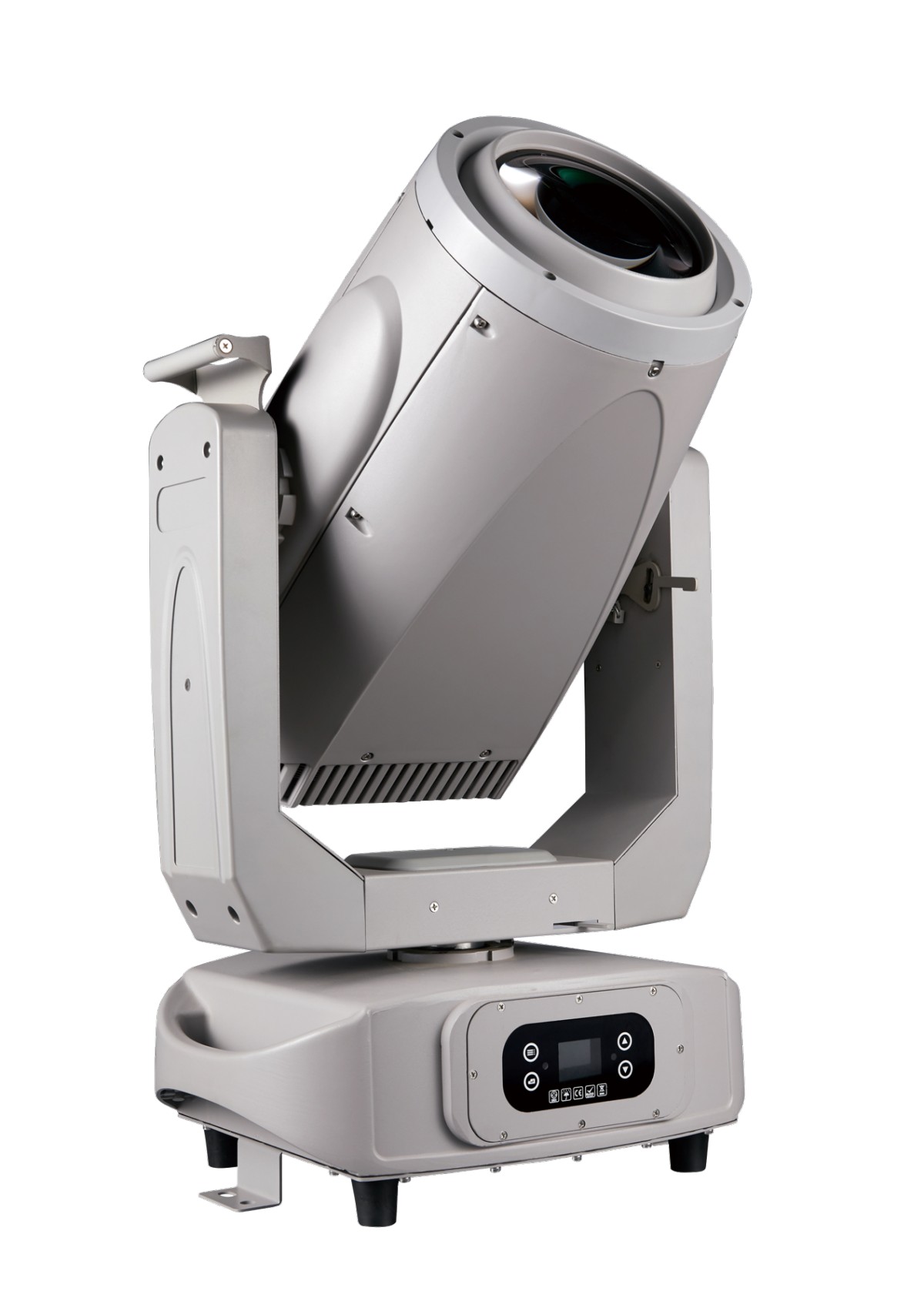
Common beam-angle considerations
- Narrow beams for precise accent lighting and long throw applications
- Medium beams for balanced projection on façades and landscape features
- Wide beams for plazas, park edges, and larger illuminated surfaces
- Anti-glare design when fixtures face pedestrian or traffic viewpoints
Power should be judged with efficacy, not wattage alone
Higher wattage does not automatically mean better project performance. A more useful comparison looks at system efficacy, optical efficiency, and how much usable light reaches the intended area.
For an LED Beam Projector, power selection should reflect viewing distance, beam angle, ambient brightness, and operating schedule. Overpowered fixtures can increase glare and energy cost without improving results.
Thermal design also matters. Outdoor luminaires that run hot for long periods often suffer from faster lumen depreciation and reduced driver life, even when initial output seems attractive.
In adjacent landscape zones, a lower-power solution may be more appropriate. For example, LED Garden&Lawn Lighting | GLL-LGYC uses 30-60 W main light power, delivers 140 lm/W, and targets gardens, parks, and commercial landscapes where reliable efficiency is more valuable than excessive brightness.
IP rating is not a detail in outdoor environments
For outdoor lighting, IP rating is directly tied to durability. An LED Beam Projector installed in exposed public space must resist water ingress, dust, and seasonal temperature changes.
IP65 may suit many outdoor applications, but harsher sites often require stronger protection. Locations near fountains, coastal areas, or dust-heavy roads may justify a higher specification.
IP rating should never be checked in isolation. Housing material, gasket quality, cable entry design, and corrosion resistance all influence whether the fixture remains reliable after years of service.
This is why proven outdoor products often highlight their environmental limits clearly. In landscape installations, GLL-LGYC combines IP67 protection, operating temperatures from -40℃ to +70℃, and wind resistance of at least 150 km/h, which shows how durability is engineered rather than assumed.
Control options affect flexibility and lifecycle value
Control compatibility is becoming a major decision factor for any LED Beam Projector used in municipal or commercial projects. Static lighting may be enough in some zones, but many sites now require dimming, scheduling, grouping, or remote monitoring.
The key issue is not just whether a fixture can be controlled, but whether it integrates smoothly with the wider system. That includes drivers, protocols, wiring plans, and future expansion.
In large projects, isolated products often create long-term problems. A fixture may work well independently yet become inefficient when commissioning, scene control, or maintenance data need to be unified across the site.
How to compare products more effectively
A useful buying review usually combines technical data with project context. An LED Beam Projector that suits a landmark façade may not suit a pathway, parking edge, or public square.
A few checkpoints make comparison more practical:
- Confirm beam angle against mounting geometry, not catalog images
- Review wattage together with efficacy and thermal performance
- Check IP rating with actual weather and maintenance conditions
- Ask whether control protocols match the wider lighting system
- Compare expected service life, spare strategy, and installation complexity
For mixed outdoor projects, it also helps to evaluate supporting fixture families. Beam projectors, pathway lighting, and landscape poles should work together in output, color temperature, and reliability expectations.
From specification review to project fit
The best LED Beam Projector is rarely the one with the highest single parameter. It is the one that fits the site, the control plan, the maintenance reality, and the visual goal.
That is especially true in large-scale outdoor lighting, where system consistency matters as much as fixture performance. Experience from roads, public spaces, and urban projects shows that early technical alignment reduces later project friction.
A sensible next step is to sort candidate products by beam distribution, power class, IP level, and control compatibility, then test those choices against actual site conditions before final selection.
◉ MESSAGE
Blog
- LED Street Luminaire Specifications That Matter for Roadway Projects
- What to Evaluate When Selecting a Smart Street Lamp Manufacturer
- How to Prepare a Compliant Solar Lighting Bid for Public Infrastructure Projects
- LED Street Lighting Solutions for Urban and Municipal Roads
- LED Street Light Installation Guide for Road Projects
- LED Street Light Lifespan: How Long Do LED Road Lights Last?
- LED Street Light IP Rating: What Should Buyers Choose?
Message