
Best Solar Street Lighting Setup for Rural Roads
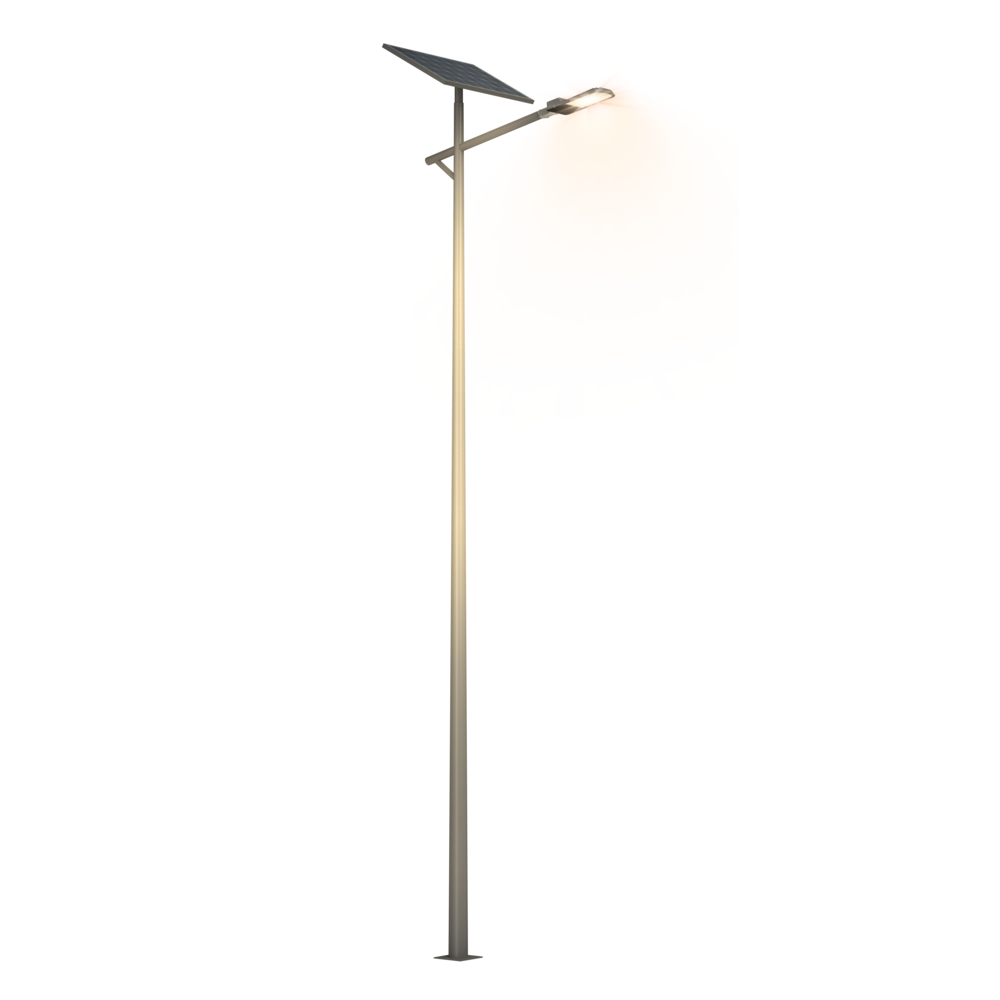
Rural road lighting works best when the road type is clearly defined
The best solar street lighting setup for rural roads depends less on headline wattage and more on how the road is actually used after dark.
Some stretches carry mixed traffic, slow farm vehicles, and pedestrians. Others are long connector roads with low traffic but higher speeds. Those conditions change the lighting priority.
In practical outdoor lighting projects, the real task is balancing visibility, structural reliability, battery autonomy, installation efficiency, and long-term maintenance.
That is why solar street lighting plans for rural roads should begin with road function, spacing limits, climate exposure, and control strategy rather than isolated product specifications.
Different rural road conditions create different solar street lighting needs
A village access road usually needs softer, continuous lighting near homes, side entries, and walking areas. Glare control matters because fixtures sit closer to people and property.
A county feeder road often needs wider light distribution and stronger uniformity. Drivers need to read the road edge early, especially near bends, bridges, and drainage crossings.
Roads near fields or open land face another issue. There may be little ambient light, strong seasonal wind, and limited maintenance access during heavy rain or harvest periods.
In those cases, solar street lighting should be judged by system resilience. Panel orientation, battery reserve days, pole strength, and remote fault visibility become more important.
A simple comparison helps avoid one-size-fits-all decisions
This kind of comparison is often more useful than asking for a standard solar street lighting package for every rural road.
What to check before locking pole height, power, and spacing
Pole height should follow road width, mounting setback, and target distribution. A taller pole may widen coverage, but it can also reduce useful ground illuminance.
Battery sizing needs local solar resource data and expected cloudy-day reserve. Rural roads with weak maintenance access should not be designed around ideal weather averages.
Controller logic also matters. Timed dimming may work on stable routes, while motion-based adjustment makes more sense on roads with sparse nighttime traffic.
Projects that include remote monitoring usually recover value later. Fault alerts, energy reports, and grouped control reduce inspection pressure across long road sections.
This project-based view is common in large outdoor lighting work. It is also where integrated support becomes useful, especially when product choice and control strategy must align.
The surrounding spaces can change the rural road lighting plan
Rural roads rarely exist in isolation. They often connect to small public squares, school edges, parks, or landscaped village entrances with different visual expectations.
That transition matters because the best solar street lighting setup should not create harsh visual contrast between the road and adjacent public areas.
In mixed-use edges, a lower-height supplementary fixture may be more suitable than extending road poles into every corner. Products such as LED Garden&Lawn Lighting | GLL-FQ fit better in gardens, parks, and commercial landscape zones.
Its 3.5-5m height range, IP67 protection, and weather-resistant construction show how adjacent spaces often need a different outdoor lighting response than the main carriageway.
Where the road ends, visual comfort often becomes the bigger issue
Near gathering areas, visual comfort and color temperature affect perceived safety. A colder, brighter look is not always the better answer for rural public environments.
That is why some projects combine road-focused solar street lighting with landscape luminaires that offer better scale and softer visual transition.
Common mistakes usually come from treating similar roads as identical
One frequent mistake is selecting solar street lighting only by rated power. Two roads may both accept 6m poles, but their spacing, traffic behavior, and roadside obstacles can differ greatly.
Another mistake is underestimating structural exposure. Open rural roads may face high wind, unstable soil shoulders, and difficult access for replacement work.
There is also a cost misunderstanding. Lower upfront pricing may lead to weak battery reserve, poor fixture sealing, or limited control options that increase field intervention later.
- Check shading from trees, buildings, and seasonal crop growth before final panel layout.
- Confirm maintenance routes for battery or component replacement in rainy months.
- Review local expectations for brightness near homes, schools, and village activity zones.
- Match control logic to actual traffic patterns instead of using the same dimming profile everywhere.
A more reliable setup usually comes from matching the system to field realities
The strongest solar street lighting scheme for rural roads is usually the one that respects local use patterns, climate stress, and maintenance limits from the start.
In actual delivery, it helps to separate main road lighting, transition areas, and landscaped public edges instead of forcing one fixture type into every condition.
Teams working across roads, public spaces, and complex outdoor environments often benefit from that broader view. It reduces redesign, supports system consistency, and improves long-term reliability.
The next useful step is to map each road section by traffic pattern, spacing constraint, solar exposure, and service difficulty. That makes solar street lighting decisions easier to compare and easier to defend later.
◉ MESSAGE
Blog
- LED Street Luminaire Specifications That Matter for Roadway Projects
- What to Evaluate When Selecting a Smart Street Lamp Manufacturer
- How to Prepare a Compliant Solar Lighting Bid for Public Infrastructure Projects
- LED Street Lighting Solutions for Urban and Municipal Roads
- LED Street Light Installation Guide for Road Projects
- LED Street Light Lifespan: How Long Do LED Road Lights Last?
- LED Street Light IP Rating: What Should Buyers Choose?
Message