
Are All-in-One Solar Street Lighting Units Worth It
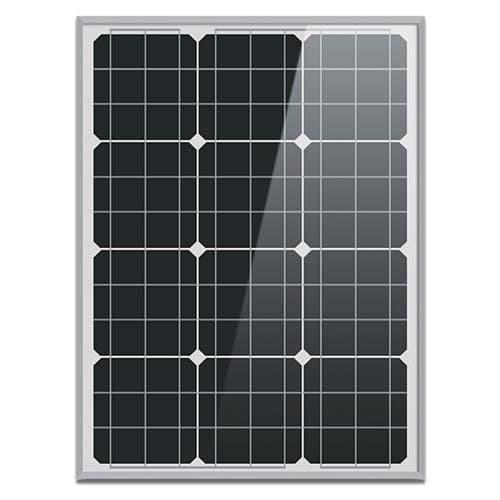
All-in-one solar street lighting can look like an easy decision. The unit combines panel, battery, controller, and LED fixture in one compact system. For outdoor lighting projects, however, value depends less on simplicity alone and more on whether the system can keep performing through real site conditions, maintenance cycles, and usage demands.
That is why this topic matters in current project evaluation. In roads, parks, secondary streets, campuses, and public spaces, solar street lighting is often considered for energy savings and faster deployment. Yet long-term reliability, lighting consistency, and integration with wider project goals still decide whether the investment is justified.
What all-in-one solar street lighting really offers
An all-in-one system is designed to reduce installation complexity. Fewer separate components can mean less wiring, shorter construction time, and cleaner site appearance.
In the right location, that creates practical value. Remote roads, village streets, pathways, and areas with difficult grid access are common examples. In these settings, solar street lighting can lower trenching costs and avoid dependence on unstable power supply.
The strongest advantage is often project speed. A compact unit can simplify logistics, especially where construction coordination is limited or the installation window is short.
Why the answer is not always yes
Integrated design also creates tradeoffs. When the panel, battery, and luminaire share one housing, thermal conditions, battery size, and panel angle are more constrained than in split systems.
This matters in demanding environments. Long rainy periods, shaded corridors, high traffic roads, and higher mounting heights may push an all-in-one solution beyond its comfortable operating range.
Performance can also vary widely between suppliers. Two products may look similar on paper, while battery chemistry, controller logic, LED efficiency, and structural durability differ in ways that affect service life.
The evaluation points that carry the most weight
A useful review starts with lighting demand. If the project requires uniform brightness across wide carriageways, long pole spacing, or strict safety standards, not every solar street lighting unit will be appropriate.
Then look at the site itself. Solar availability, seasonal weather, dust, heat, wind load, and possible shading all influence energy generation and battery recovery.
Maintenance strategy deserves equal attention. Integrated units reduce some field wiring issues, but battery replacement, spare part access, and failure diagnosis should still be clear before approval.
Where these systems are usually worth it
All-in-one solar street lighting tends to make sense when lighting levels are moderate, grid extension is expensive, and quick deployment adds real project value.
- Rural or peri-urban roads with limited electrical infrastructure
- Pedestrian routes, greenways, parks, and community access roads
- Temporary or phased developments requiring flexible installation
- Public projects where trenching disruption must be minimized
They are less convincing where heavy traffic, strict illumination standards, or prolonged low-sun periods dominate the risk profile. In those cases, split solar systems or grid-connected solutions may produce more dependable results.
Looking beyond the solar unit itself
A recurring mistake is evaluating only the integrated luminaire. Outdoor lighting performance also depends on pole quality, fixture protection, wind resistance, and how the complete structure fits the project environment.
For example, a project may combine solar street lighting in selected zones with conventional urban lighting on main corridors. In that mixed approach, the supporting infrastructure still needs consistent engineering standards.
That is where broader project support becomes relevant. Lishida Smart Lighting works with contractors and project owners on large-scale outdoor lighting, including product selection, smart control systems, and project-based solutions across complex urban sites.
In applications where a more robust street lighting structure is required, reference products such as Modern Street Lighting|MSL-HC show what decision-makers should check. Pole heights of 8-14 m, thickness of 4-8 mm, hot-dip galvanized and powder-coated surfaces, IP67 protection, and wind resistance of at least 150 km/h all point to long-term outdoor reliability.
Those specifications do not make a project solar by themselves. They do, however, reflect the level of structural and performance discipline that should also guide any solar street lighting decision.
A practical way to judge long-term value
A sound decision usually comes from comparing total project value, not unit price alone. The cheapest integrated light may increase maintenance calls, shorten battery life, or fail to meet lighting expectations after one rainy season.
A better review framework includes these questions:
- Is the site’s solar resource strong enough for the required operating profile?
- Can the unit maintain useful illumination through several low-sun days?
- Are the housing, pole, and mounting details suitable for wind and corrosion exposure?
- Is replacement planning clear for batteries, controllers, and optical components?
- Does the supplier understand full-project coordination, not only single product delivery?
So, are they worth it?
Yes, all-in-one solar street lighting units can be worth it when site conditions, lighting expectations, and maintenance planning are aligned. They are most effective where simplified installation and off-grid operation solve real project constraints.
They are less attractive when the project demands high and uninterrupted lighting output under difficult environmental conditions. In that situation, the integrated format may create more compromise than benefit.
The next step is to review the project by application zone, operating requirement, and lifecycle risk. Once those factors are clear, solar street lighting becomes easier to judge on evidence rather than appearance, and the right mix of solar, conventional, and smart-controlled lighting can be defined with far more confidence.
◉ MESSAGE
Blog
- LED Street Luminaire Specifications That Matter for Roadway Projects
- What to Evaluate When Selecting a Smart Street Lamp Manufacturer
- How to Prepare a Compliant Solar Lighting Bid for Public Infrastructure Projects
- LED Street Lighting Solutions for Urban and Municipal Roads
- LED Street Light Installation Guide for Road Projects
- LED Street Light Lifespan: How Long Do LED Road Lights Last?
- LED Street Light IP Rating: What Should Buyers Choose?
Message