
Smart Street Lighting Use Cases Beyond Roads
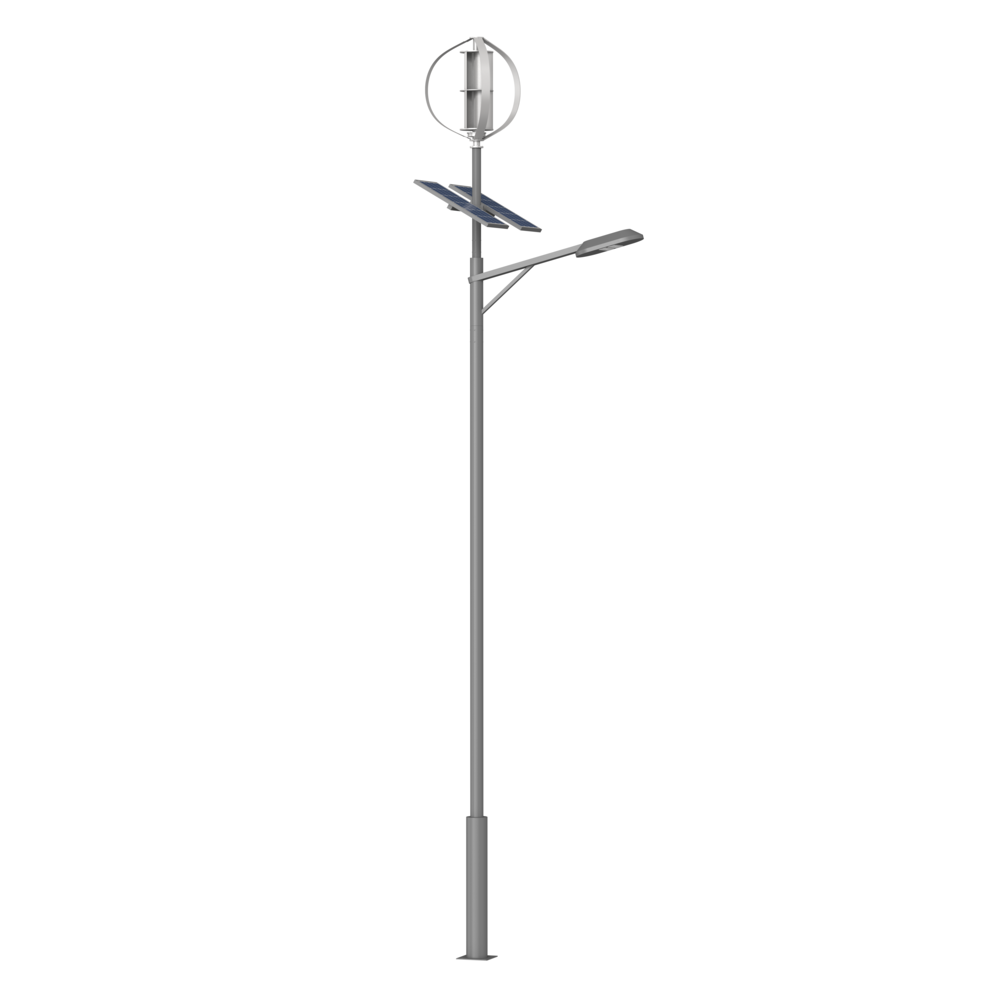
Smart Street Lighting Use Cases Beyond Roads
Smart street lighting is no longer limited to roads.
Across campuses, parks, industrial zones, ports, and public spaces, it supports safer movement and more efficient operations.
For large outdoor projects, the bigger question is no longer whether to use it.
The real question is where smart street lighting creates the most value beyond traffic corridors.
From recent project trends, the clearest shift is toward connected lighting as part of wider site management.
That makes use case planning essential when choosing controls, fixtures, layouts, and long-term maintenance strategies.
Why Smart Street Lighting Is Expanding
Traditional outdoor lighting solved one problem: visibility after dark.
Today, project owners expect much more from smart street lighting systems.
They want remote monitoring, energy control, fault alerts, and flexible scheduling across different zones.
In practice, that helps reduce manual inspections and improve response time when failures happen.
It also supports long-term urban management goals, especially where assets are spread across large or complex sites.
1. Campuses and Education Parks
Campuses have roads, walkways, squares, parking areas, and shared outdoor spaces.
That mix makes smart street lighting especially useful.
Different zones need different schedules, brightness levels, and security priorities.
For example, pathways near dormitories may need longer illumination than teaching zones.
A connected control platform makes these adjustments easier without repeated onsite intervention.
This is one of the strongest smart street lighting applications where safety and operating budgets matter equally.
2. Parks, Plazas, and Public Spaces
Public spaces need lighting that balances comfort, visibility, and atmosphere.
Here, smart street lighting supports timed dimming, event-based scenes, and targeted maintenance.
That means operators can brighten gathering areas during events and lower output during quiet hours.
The result is better control over energy use without making spaces feel underlit.
Landscape lighting can also be integrated naturally in these environments.
For facade edges and park features, LED Linear Light can add clean, continuous lines of light.
Its IP66 protection, multiple beam angles, and RGB or white options fit projects that need both durability and visual comfort.
3. Industrial Parks and Logistics Zones
Industrial sites operate on strict schedules and often run through the night.
In these settings, smart street lighting helps match lighting levels to real operating periods.
Warehouse roads, loading yards, pedestrian paths, and perimeter routes rarely need the same lighting profile.
Zonal control improves efficiency while keeping high-risk areas consistently visible.
Fault reporting is another major advantage.
When maintenance teams know exactly which fixture failed, downtime and inspection costs both drop.
4. Ports, Terminals, and Complex Urban Facilities
Ports and transport-linked sites are demanding environments.
They involve large areas, harsh weather, heavy equipment, and multiple operating zones.
Smart street lighting helps coordinate lighting across access roads, storage areas, security lines, and service routes.
More importantly, it gives managers a single control view over distributed assets.
For large-scale projects, this level of integration often matters more than fixture cost alone.
What to Evaluate Before Choosing a Solution
Not every smart street lighting system performs well across mixed outdoor environments.
Selection should start with operational needs, not only fixture specifications.
- Control method: confirm whether the site needs centralized, zonal, or point-to-point control.
- Environment: review weather exposure, corrosion risks, and required protection levels.
- Maintenance model: check how faults are reported and how quickly teams can respond.
- System integration: assess compatibility with broader smart city or site management platforms.
- Project lifespan: compare initial savings against reliability over years of operation.
This is where practical engineering support makes a difference.
Large projects usually fail on coordination, not on product availability.
Lishida Smart Lighting supports contractors and project owners with integrated outdoor lighting products, smart controls, and project-based solutions for complex delivery needs.
A Practical Approach to Smarter Outdoor Lighting
The best smart street lighting strategy starts with how the site actually works every day.
Roads are only one part of the picture.
Campuses, parks, industrial areas, ports, and urban public spaces all benefit from better lighting control.
That is why smart street lighting is increasingly treated as core infrastructure, not a simple utility layer.
Where visual detailing is also needed, solutions such as LED Linear Light can complement broader outdoor schemes with tailored facade and landscape effects.
For project planning, the strongest results usually come from aligning controls, fixtures, and site operations from the beginning.
◉ MESSAGE
Blog
- LED Street Luminaire Specifications That Matter for Roadway Projects
- What to Evaluate When Selecting a Smart Street Lamp Manufacturer
- How to Prepare a Compliant Solar Lighting Bid for Public Infrastructure Projects
- LED Street Lighting Solutions for Urban and Municipal Roads
- LED Street Light Installation Guide for Road Projects
- LED Street Light Lifespan: How Long Do LED Road Lights Last?
- LED Street Light IP Rating: What Should Buyers Choose?
Message