
How to Compare Smart Street Lighting Platforms
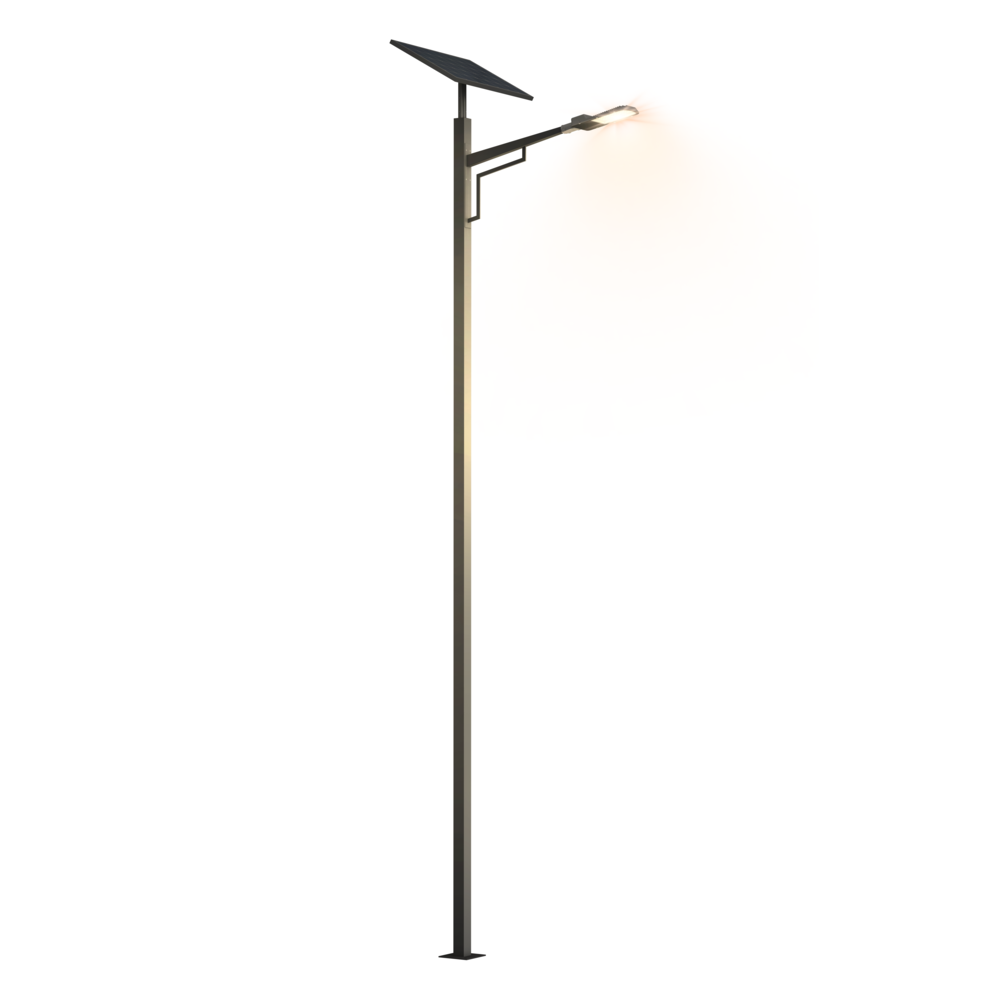
Choosing a smart street lighting platform is rarely a simple feature comparison. In outdoor lighting projects, the real question is how the system performs after deployment, across roads, parks, districts, and mixed urban environments. Control logic, communication stability, maintenance efficiency, and compatibility with field conditions usually matter more than a long function list.
That is why smart street lighting has become a serious evaluation topic. As cities expect better energy management and clearer operational visibility, platforms are now judged by project delivery value, not only by software appearance. In large-scale applications, decisions made during evaluation often shape long-term reliability and cost.
What a platform should actually manage
At a basic level, smart street lighting connects luminaires, controllers, communication networks, and a management interface. The platform should coordinate these layers without creating gaps between hardware and software.
A useful platform does more than switch lights on and off. It should support dimming strategies, fault detection, energy reporting, scheduling, grouping, remote diagnostics, and role-based access.
In practice, the strongest systems also help teams understand what is happening in the field. That includes identifying abnormal consumption, failed nodes, communication loss, or unstable segments before they become maintenance problems.
Why evaluation has become more demanding
Outdoor lighting projects are no longer isolated equipment purchases. They often involve phased construction, existing infrastructure, multiple contractors, and integration with wider urban systems.
Because of that, smart street lighting platforms are expected to perform under real project pressure. A system that works in a small pilot may struggle when thousands of nodes are added, when signal conditions vary, or when operations teams need fast fault tracing.
This is where project experience matters. Lishida Smart Lighting supports contractors and project owners with integrated outdoor lighting solutions for large-scale applications, combining lighting products, smart control systems, and project-based support. That background reflects a practical industry truth: platform value is proven during execution and over years of use.
Key comparison points that deserve more attention
Some evaluation criteria are obvious, such as interface functions or reporting tools. More important issues are often less visible at first review.
Control stability in outdoor conditions
The platform should maintain dependable control despite distance, weather, interference, and uneven infrastructure conditions. Response consistency matters more than ideal laboratory performance.
Scalability without redesign
A good smart street lighting system should scale from one road to an entire district. Expansion should not require a different architecture or major reintegration work.
Integration with different lighting assets
Not every project uses one luminaire type. Roads, plazas, pedestrian areas, facades, and landscapes may share the same management environment. The platform should handle mixed assets in a structured way.
Maintenance visibility
Remote monitoring is useful only when it reduces field effort. Fault alarms should be specific, traceable, and easy to verify, rather than producing vague exceptions.
Different scenes require different logic
Not every outdoor project asks the same thing from smart street lighting. Main roads prioritize stable scheduling, clear fault management, and broad coverage. Public spaces may need flexible scenes, event modes, and better visual coordination.
Complex urban environments often combine roadway lighting with architectural and landscape elements. In these settings, evaluators should check whether the platform can manage decorative lighting alongside street functions.
For example, facade and landscape zones may use products such as LED Wall Washer to create continuous lighting effects. When a fixture supports RGB or RGBW control, DMX flexibility, IP66 protection, and a long service life, it becomes easier to align visual design with centralized management expectations.
How to read performance beyond the proposal
Technical documents are necessary, but they rarely show the whole picture. A stronger evaluation method tests how the smart street lighting platform behaves across installation, commissioning, daily use, and future expansion.
- Check whether device onboarding is simple or dependent on repeated manual steps.
- Review alarm logic and whether the fault categories support field troubleshooting.
- Ask how the system handles communication loss and data synchronization recovery.
- Confirm whether reports are operationally useful, not only visually polished.
- Examine how the platform supports mixed voltage, control, and fixture conditions.
It also helps to compare supplier capability, not only software capability. Manufacturing strength, engineering support, and project coordination often decide whether a large deployment remains consistent over time.
A practical way to make the final comparison
A practical shortlist usually starts with project requirements, then filters platforms by execution fit. That means mapping control goals, site complexity, integration needs, and maintenance expectations before looking at minor features.
When comparing smart street lighting options, it is worth building a scorecard around field reliability, scalability, asset compatibility, service support, and lifecycle cost. This keeps decisions tied to real operating conditions.
The next step is usually straightforward: define the actual project scenes, identify the control and maintenance priorities, and test each platform against those realities. That process leads to a better decision than any generic checklist.
◉ MESSAGE
Blog
- LED Street Luminaire Specifications That Matter for Roadway Projects
- What to Evaluate When Selecting a Smart Street Lamp Manufacturer
- How to Prepare a Compliant Solar Lighting Bid for Public Infrastructure Projects
- LED Street Lighting Solutions for Urban and Municipal Roads
- LED Street Light Installation Guide for Road Projects
- LED Street Light Lifespan: How Long Do LED Road Lights Last?
- LED Street Light IP Rating: What Should Buyers Choose?
Message