
How to Maintain an LED Beam Projector for Stable Outdoor Performance
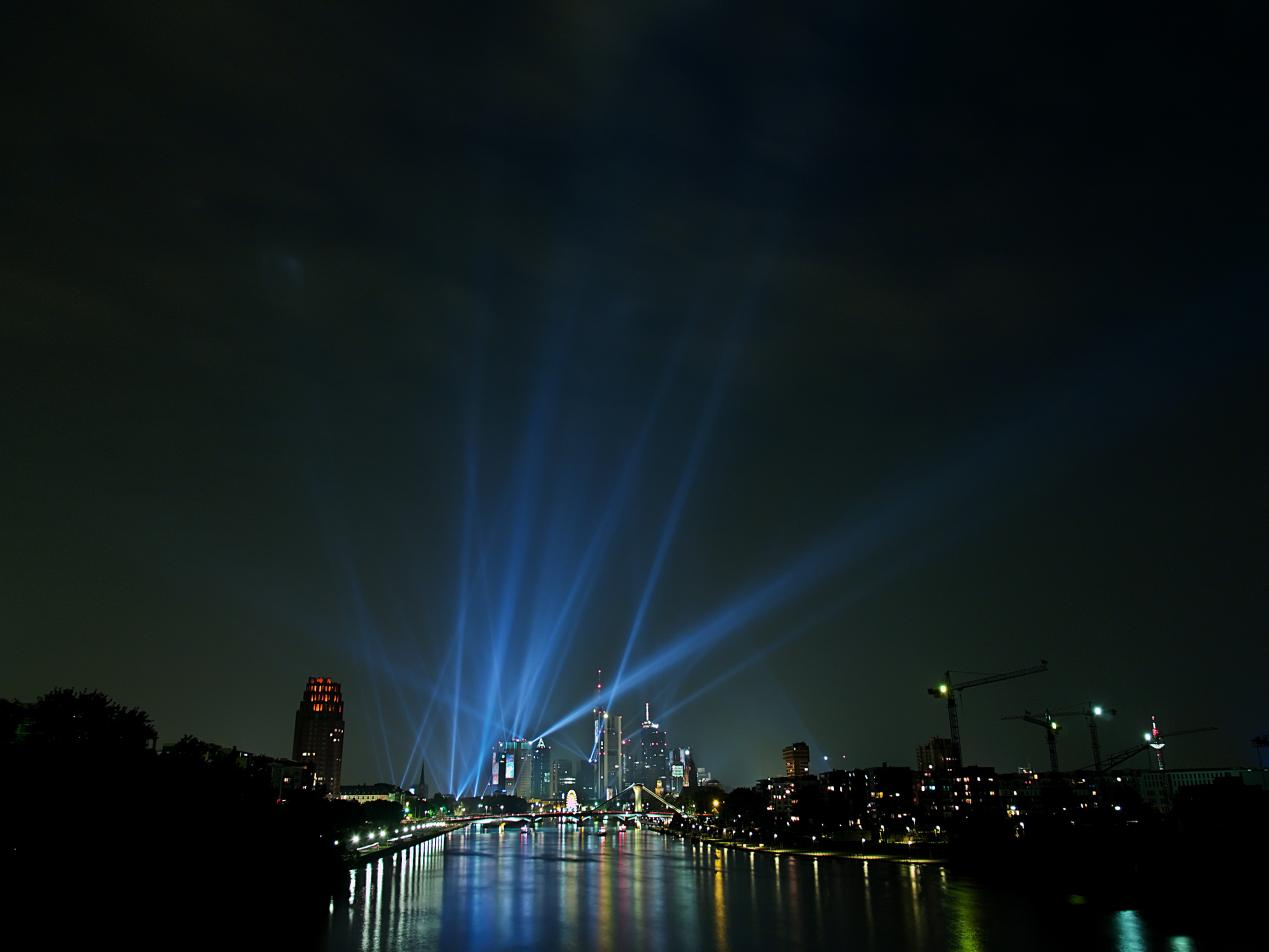
Keeping an LED Beam Projector stable outdoors takes more than wiping lenses and tightening a few screws. In roads, plazas, facades, and public zones, performance is shaped by heat, moisture, vibration, control compatibility, and installation quality. Good maintenance protects output, reduces repeat faults, and helps lighting systems stay dependable through changing weather and long operating hours.
Why outdoor stability is now a bigger maintenance issue
Outdoor lighting projects are expected to run longer, consume less energy, and remain visually consistent across large areas. That raises the standard for every LED Beam Projector in the field.
A minor issue in one fixture can create uneven brightness, dark zones, control errors, or water-related failure. On large sites, those small defects quickly become expensive service work.
This is especially relevant in project environments supported by Lishida Smart Lighting, where outdoor systems often combine luminaires, smart controls, and long-term reliability goals.
What stable performance really means for an LED Beam Projector
Stable performance is not only about whether the unit turns on. It means the LED Beam Projector maintains beam accuracy, expected brightness, thermal balance, sealing integrity, and predictable communication with the control system.
In practice, maintenance should track four connected areas:
- optical condition, including lens clarity and beam consistency;
- electrical reliability, including driver stability and cable condition;
- mechanical security, including brackets, fasteners, and vibration resistance;
- environmental protection, especially water ingress, dust, salt air, and heat buildup.
Inspection routines that prevent most failures
Routine checks work best when they are short, repeatable, and tied to actual field risks. For an LED Beam Projector, scheduled inspection should be based on location rather than only on time.
A projector near traffic, fountains, coastlines, or construction dust usually needs closer attention than one in a cleaner area.
Core items to inspect on site
- Check housing seals for cracks, compression loss, or aging.
- Look for condensation inside the optical chamber.
- Inspect cable glands and connectors for looseness or corrosion.
- Verify bracket alignment after wind or vibration exposure.
- Measure current draw if output appears unstable.
- Confirm beam angle and aiming have not shifted.
It also helps to compare the fixture with neighboring units. Output differences often reveal driver aging, contamination, or voltage irregularity before complete failure occurs.
Cleaning matters, but method matters more
Dirty optics reduce effective light output and can distort beam quality. Still, aggressive cleaning causes damage faster than dust does.
Use non-abrasive cloths, approved cleaners, and low-pressure methods. Avoid harsh chemicals that affect lens coatings, gaskets, or painted surfaces.
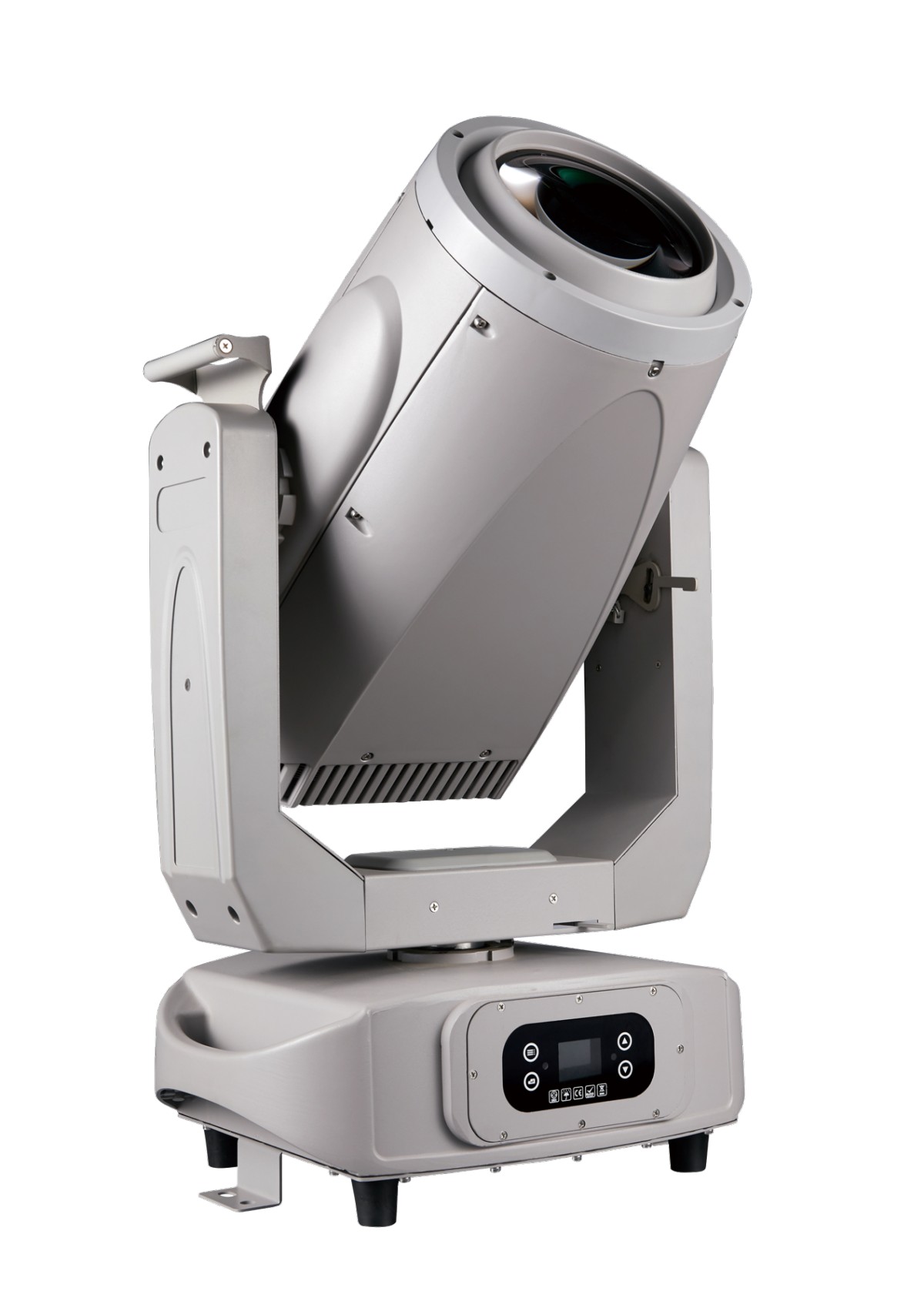
When cleaning an LED Beam Projector, pay attention to the heat sink fins. Dust trapped there restricts airflow and raises junction temperature, which shortens driver and LED life.
Weatherproof protection and thermal control
Outdoor failure is often a combination problem. Moisture enters slowly, heat builds up gradually, and electrical instability appears later.
That is why sealing and thermal management should be reviewed together, not separately.
In exposed urban corridors, this thinking also applies to surrounding infrastructure. For example, support systems with IP67 protection and wind resistance above 150 Km/h help reduce movement and environmental stress.
A useful reference is Modern Street Lighting|MSL-XM, which combines outdoor durability, hot-dip galvanized plus powder-coated surfaces, and long service life expectations.
Electrical and control checks should not be delayed
Many LED Beam Projector issues appear optical at first, but start from unstable power or control mismatch. Flicker, delayed startup, random dimming, and group failure often point to electrical causes.
Check input voltage consistency, grounding continuity, surge protection status, and connector temperature. If the site uses smart control, confirm addressing, response time, and communication integrity.
On large projects, record these findings in a simple fault history. Repeated patterns usually show whether the issue comes from a specific batch, zone, or environmental condition.
Field conditions change how maintenance should be planned
Not every outdoor site ages equipment in the same way. A plaza installation, a roadside beam setup, and a waterfront landscape each create different risks for an LED Beam Projector.
- Road environments add vibration, dust, and vehicle-related pollution.
- Public spaces increase accidental impact and unauthorized adjustment.
- Coastal zones raise corrosion pressure on fasteners and housings.
- Urban mixed-use sites may stress control compatibility and maintenance access.
This is where project-based planning makes a difference. Lishida Smart Lighting focuses on integrated support, which is valuable when maintenance decisions need to align with product selection, control systems, and long-term operation.
A practical maintenance baseline for long-term reliability
A reliable baseline does not need to be complicated. It needs to be consistent and traceable.
- Set inspection frequency by environment severity.
- Clean optics and heat sinks with approved materials only.
- Replace damaged seals before moisture reaches electrical parts.
- Retighten brackets and cable entries after storms or heavy vibration.
- Document driver, voltage, and control abnormalities early.
- Review nearby structures and mounting systems for durability fit.
If a site is showing repeated outdoor failures, the next step is not only another repair visit. It is worth reviewing the full maintenance path, environmental exposure, and supporting infrastructure standards before problems spread further.
◉ MESSAGE
Blog
- LED Street Luminaire Specifications That Matter for Roadway Projects
- What to Evaluate When Selecting a Smart Street Lamp Manufacturer
- How to Prepare a Compliant Solar Lighting Bid for Public Infrastructure Projects
- LED Street Lighting Solutions for Urban and Municipal Roads
- LED Street Light Installation Guide for Road Projects
- LED Street Light Lifespan: How Long Do LED Road Lights Last?
- LED Street Light IP Rating: What Should Buyers Choose?
Message