
What Safety and Quality Checks Matter Most for LED Beam Projector Selection?
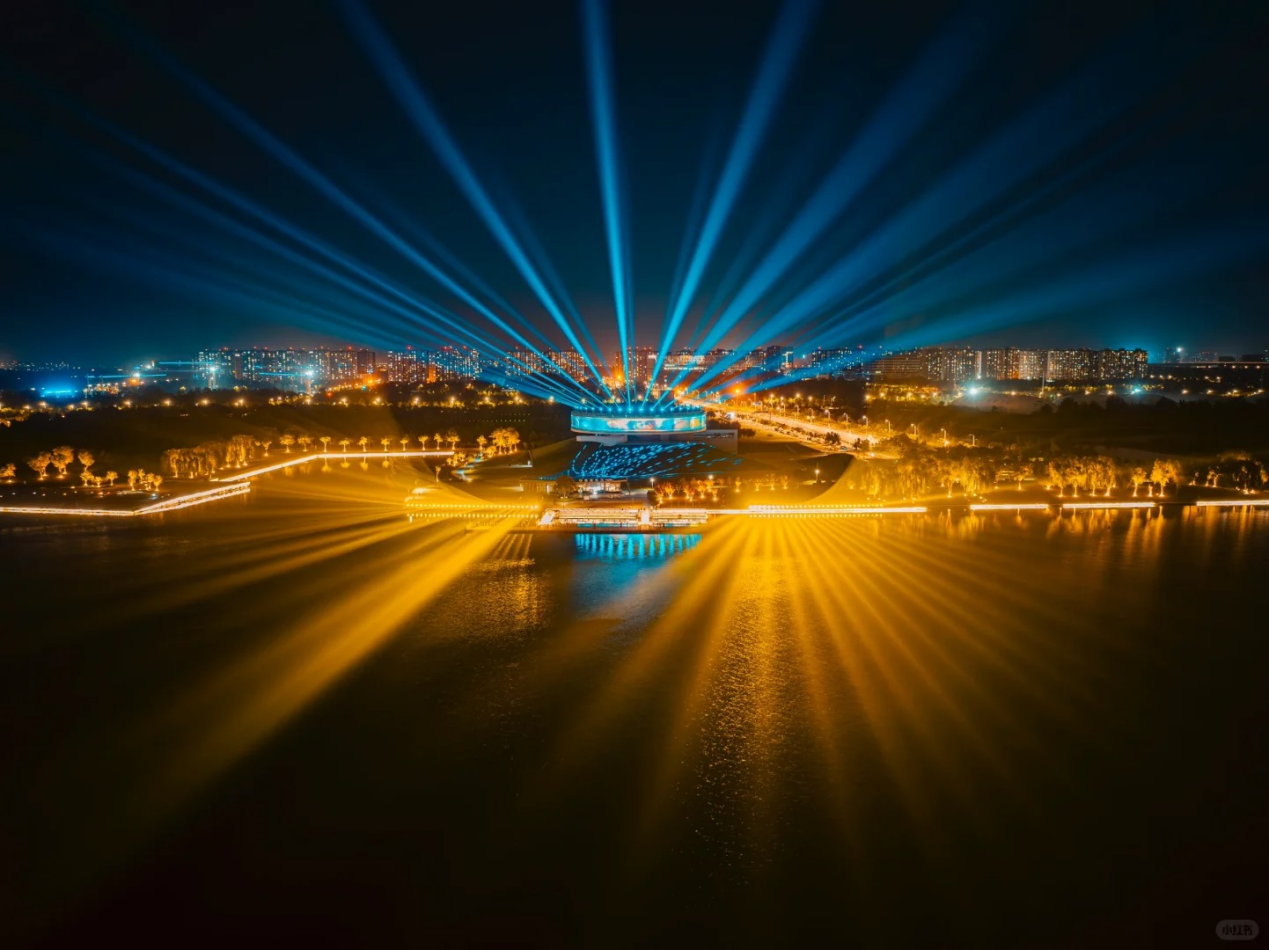
Choosing an LED Beam Projector for outdoor work is rarely just about lumen output or beam spread. In real projects, the bigger question is whether the fixture can stay safe, stable, and consistent through rain, heat, dust, vibration, and long operating hours.
That is why safety and quality checks deserve early attention. In roads, plazas, parks, and urban spaces, weak verification often leads to premature failure, electrical risk, uneven lighting, and difficult maintenance later in the project lifecycle.
For large-scale outdoor lighting delivery, experience shows that selection decisions work best when product performance, site conditions, and system reliability are reviewed together rather than in isolation.
Why these checks matter more in outdoor lighting
An LED Beam Projector installed outdoors faces more variables than an indoor fixture. Moisture ingress, power fluctuation, salt air, wind load, and temperature shock can all affect safety and lighting performance.
In complex urban environments, failures also carry operational consequences. A single defective unit may create dark spots, reduce visual comfort, or trigger repeated maintenance visits across a wider lighting network.
This is one reason project teams increasingly look for integrated support. Lishida Smart Lighting works across products, controls, and project-based solutions, which helps align selection with execution and long-term reliability.
The first checkpoint is electrical safety
Electrical safety should be reviewed before optical performance. A well-lit fixture is not acceptable if insulation, grounding, surge protection, or driver stability is weak.
What to verify
- Input voltage tolerance and driver compatibility with local power conditions
- Grounding design and insulation resistance
- Protection against surge, short circuit, and overheating
- Stable operation during voltage fluctuation or repeated switching
For outdoor infrastructure, transient voltage is common. A reliable LED Beam Projector should not only start correctly but also remain stable after storms, nearby switching loads, or long cable runs.
Housing, materials, and sealing decide real durability
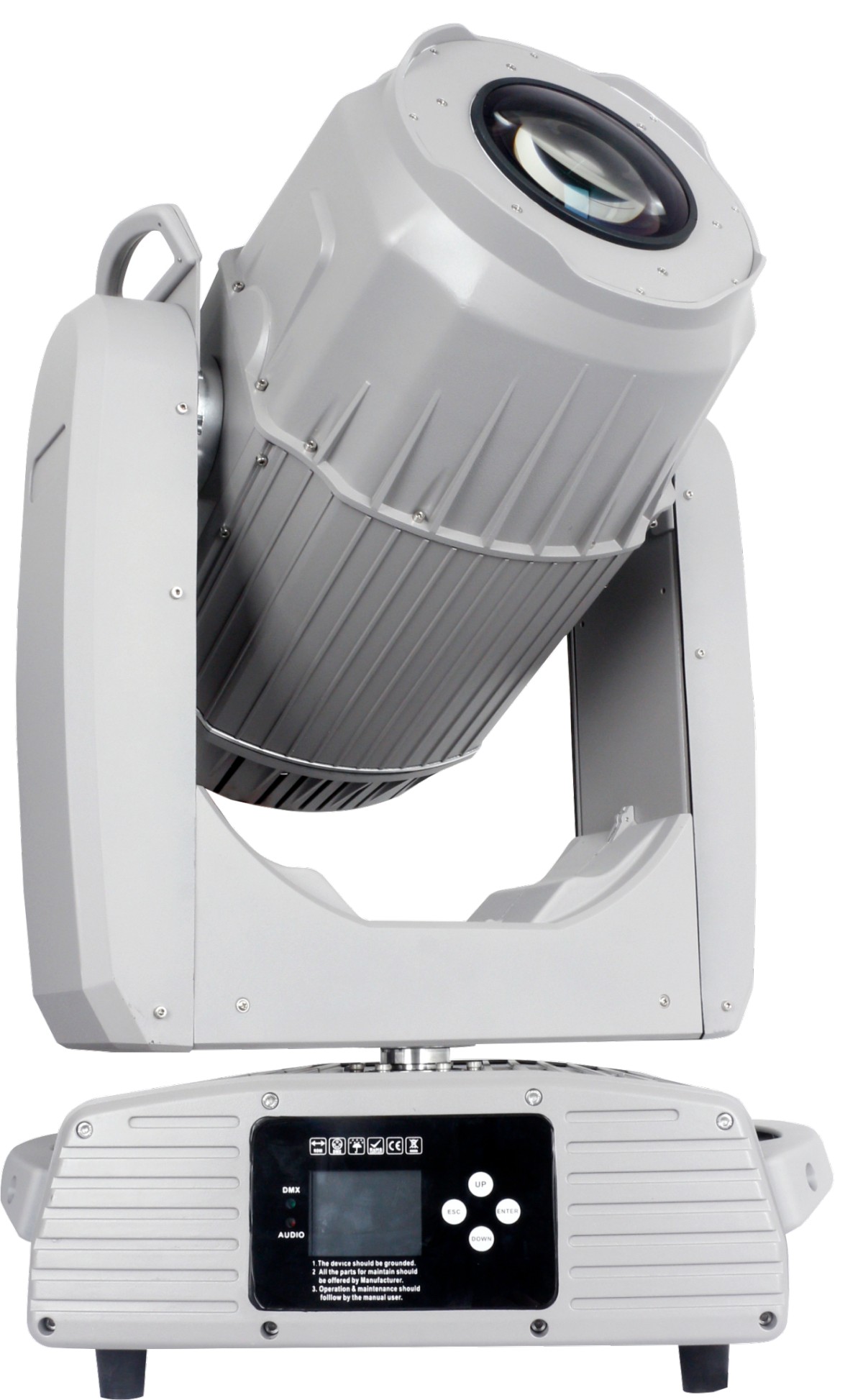
Many quality issues begin at the enclosure level. If the body, fasteners, gasket, or cable entry are weak, internal components may fail long before the rated service life.
Material choice should match the environment. Corrosion resistance matters near roads, landscaped areas, and coastal zones. Mechanical strength matters where vibration, impact, or high wind can affect fixture stability.
A useful reference can be seen in other outdoor luminaires, such as LED Garden&Lawn Lighting | GLL-WJ, which combines Stainless steel 201, IP67 protection, wind resistance of at least 150 Km/h, and operation from -40℃ to +70℃.
Although a garden or lawn fixture is not the same as an LED Beam Projector, the evaluation logic is similar: sealing quality, structural reliability, and weather tolerance should all be checked against actual site exposure.
Waterproof performance is not just an IP label
IP rating is important, but it should not be treated as the only waterproof check. A fixture may pass laboratory testing yet still fail on site because of poor assembly control or weak cable gland design.
Look beyond the certificate
For an LED Beam Projector used in façades, landmarks, or public spaces, moisture-related failure usually appears slowly. Fogging, corrosion, and driver damage may only become visible months after handover.
Optical consistency affects both safety and project acceptance
Beam projectors are often chosen for directional control. If optical consistency is poor, the installed effect may differ from the lighting design, even when electrical parameters seem acceptable.
The key checks include beam angle accuracy, color temperature tolerance, glare control, lens quality, and luminous output consistency across production batches.
This matters in roadside features, monuments, and public landscapes where visible mismatch is easy to detect. Uneven color or scattered beams can lower visual quality and create rework pressure during commissioning.
Long-term reliability should be tested, not assumed
Rated life claims are useful only when supported by design quality and verification data. For an LED Beam Projector, the driver, thermal path, LEDs, and sealing system should age at a balanced rate.
Thermal management is especially important. If heat dissipation is weak, lumen depreciation, color shift, and driver failure may appear far earlier than expected.
- Review operating temperature range and heat sink design
- Check service life data for both LEDs and drivers
- Confirm batch testing and production traceability
- Ask for evidence from similar outdoor project applications
A practical benchmark from adjacent outdoor products is useful here as well. Fixtures designed for 50000 hours of service, broad temperature tolerance, and decades of structural life usually reflect a more disciplined reliability approach.
How to apply these checks in project selection
A good selection process links specification review with real site conditions. The same LED Beam Projector may perform differently in a dry plaza, a landscaped park, or a traffic-heavy corridor.
It helps to compare products through a simple decision framework:
- Match electrical protection to the local grid environment
- Match enclosure and materials to corrosion and weather exposure
- Match optical precision to design intent and visual standards
- Match life data to maintenance access and replacement cost
- Match control compatibility to the wider lighting system
In broader outdoor schemes, project teams often review beam projectors together with surrounding luminaires, including landscape products such as LED Garden&Lawn Lighting | GLL-WJ, to keep performance expectations consistent across the site.
A better next step than comparing brightness alone
The most reliable LED Beam Projector choice usually comes from a disciplined checklist, not a quick specification comparison. Safety, sealing, optics, materials, and life verification should be reviewed as one connected quality picture.
Before final selection, it is worth organizing project conditions, expected operating risks, maintenance limits, and compliance requirements. That makes technical comparison more accurate and reduces avoidable issues after installation.
Where outdoor projects involve multiple fixture types, smart controls, or difficult environments, a solution-based review often leads to clearer decisions and more stable results over time.
◉ MESSAGE
Blog
- LED Street Luminaire Specifications That Matter for Roadway Projects
- What to Evaluate When Selecting a Smart Street Lamp Manufacturer
- How to Prepare a Compliant Solar Lighting Bid for Public Infrastructure Projects
- LED Street Lighting Solutions for Urban and Municipal Roads
- LED Street Light Installation Guide for Road Projects
- LED Street Light Lifespan: How Long Do LED Road Lights Last?
- LED Street Light IP Rating: What Should Buyers Choose?
Message