
Common Solar Street Lighting Failures and Fixes
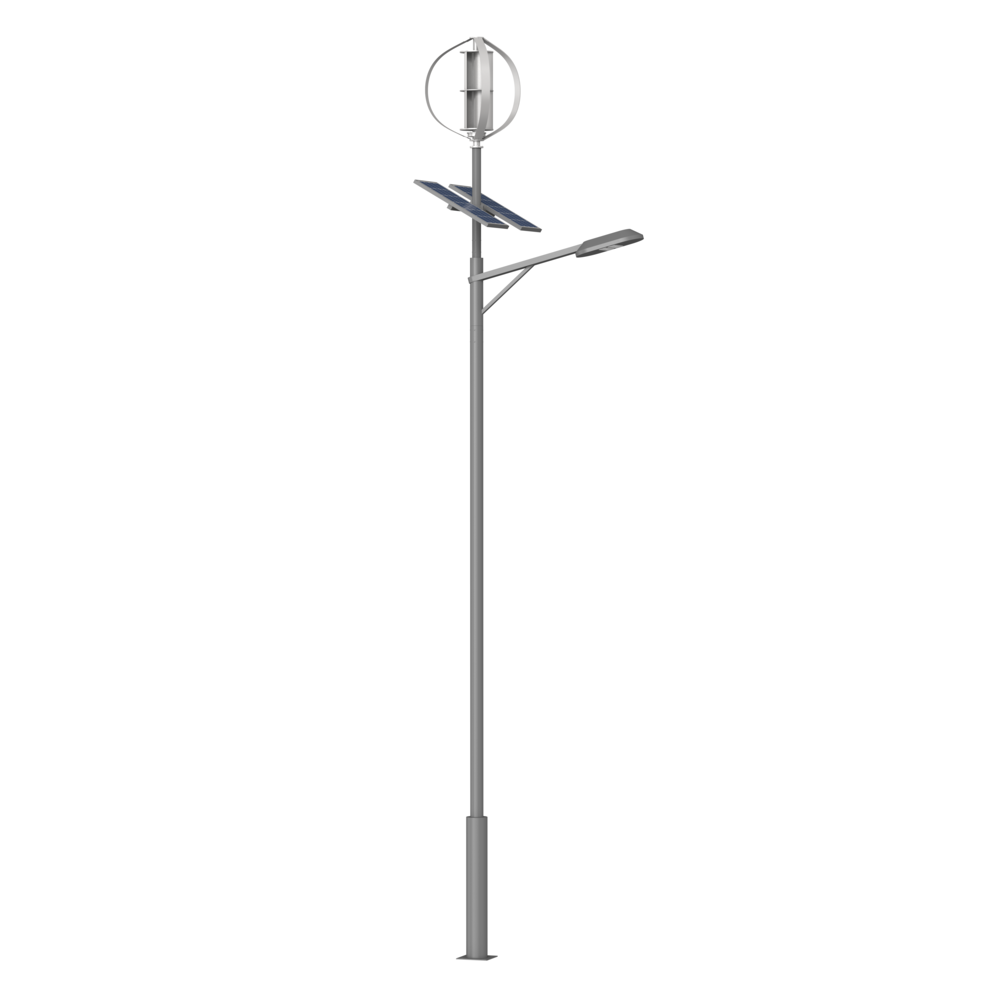
When Solar Street Lighting Failure Becomes a Site Risk
Solar street lighting reduces energy bills and trenching work, but failure on site is rarely a minor issue.
A dark road section, unstable park pathway, or weak lighting at a public square can quickly affect safety, maintenance workload, and project credibility.
In large outdoor lighting projects, the real challenge is not only choosing equipment.
It is keeping solar street lighting stable through heat, rain, dust, traffic vibration, and changing usage patterns over time.
That is why troubleshooting must be tied to actual application conditions, not just product labels or nominal specifications.
Different Sites Fail for Different Reasons
Solar street lighting on rural roads behaves differently from systems in dense urban corridors.
One site may struggle with limited sunlight and tree shade.
Another may face unstable sensor triggering, dust on panels, or battery aging caused by repeated deep discharge.
In practice, a maintenance response works better when teams first ask three questions.
- Is the failure linked to charging, storage, load output, or control logic?
- Did the problem appear after weather change, seasonal shift, or traffic growth?
- Is the issue isolated to one pole, one loop, or one installation batch?
This approach is common in large-scale project delivery, where product selection, smart control, and long-term reliability must work together.
Roadside Installations Usually Expose Battery and Charging Weakness
On roads and municipal routes, the most common solar street lighting complaint is shorter lighting duration at night.
Many teams first suspect the LED fixture, but the root cause is often upstream.
Battery capacity loss, panel contamination, wrong tilt angle, or controller charging errors can all reduce autonomy.
Where trucks, dust, and long dry periods are common, panel output can drop gradually without obvious physical damage.
A practical fix starts with voltage testing at sunset and before dawn, then comparing charging data across several clear days.
If the battery falls below expected reserve despite good irradiation, replacement or controller recalibration is usually more effective than repeated lamp swaps.
Public Spaces Often Reveal Sensor and Controller Problems Faster
Parks, plazas, and pedestrian zones place different pressure on solar street lighting.
The lighting pattern is less linear, and motion-based dimming may be used to save energy.
In these settings, false triggering, delayed response, or lights staying on too long can drain batteries even when hardware looks normal.
More often, the issue comes from poor sensor positioning, nearby reflective surfaces, or controller logic that does not match real foot traffic.
The fix is usually operational rather than cosmetic: adjust sensitivity, reset dimming schedules, and verify communication between sensor, controller, and luminaire.
In Dense Urban Areas, System Integration Matters More Than a Single Component
Complex urban environments create a different maintenance pattern for solar street lighting.
Partial shading from buildings, overlapping light sources, and stricter visual expectations make failures harder to diagnose.
A lamp may still turn on, yet fail the project requirement because brightness is inconsistent or control response is uneven.
This is where integrated outdoor lighting planning becomes important.
For adjacent facade or landscape zones, designers may pair street lighting with architectural lighting elements such as LED Linear Light.
In those mixed environments, compatible control logic, protection level, and maintenance access matter as much as wattage.
An IP66 fixture with long service life and tailored beam options may support cleaner visual coordination nearby, but it should not be used to mask weak solar street lighting design.
What to Check First in Common Solar Street Lighting Failures
A quick comparison helps separate symptoms from causes.
Where Misjudgment Happens Most Often
A common mistake is treating all solar street lighting failures as component defects.
In reality, installation angle, shading growth, local dust level, and operating schedule often drive the problem.
Another weak point is focusing on purchase cost while ignoring replacement frequency and service access.
For large projects, that tradeoff becomes expensive very quickly.
Some sites also treat similar spaces as identical.
A boulevard, residential edge road, and urban plaza may all use solar street lighting, yet their discharge patterns and maintenance intervals are not the same.
A Better Way to Match Fixes to Site Conditions
- Record actual sunlight exposure instead of relying on layout drawings alone.
- Compare runtime loss across seasons before changing fixture specifications.
- Use controller logs or grouped field tests when smart controls are present.
- Check ingress protection and connection quality in wet or dusty zones.
- Review nearby lighting layers when visual consistency is part of the project requirement.
Keeping Solar Street Lighting Reliable Over the Full Project Cycle
Reliable solar street lighting comes from matching system design to real operating conditions, then maintaining it with discipline.
That means looking beyond isolated failures and checking whether charging, control, lighting output, and environment still align.
For outdoor lighting projects that extend from roads to public spaces and urban mixed-use areas, the better next step is to map site conditions, define failure patterns, and set maintenance checks around those patterns.
That process usually gives more durable results than replacing parts one by one without confirming the real cause.
◉ MESSAGE
Blog
- LED Street Luminaire Specifications That Matter for Roadway Projects
- What to Evaluate When Selecting a Smart Street Lamp Manufacturer
- How to Prepare a Compliant Solar Lighting Bid for Public Infrastructure Projects
- LED Street Lighting Solutions for Urban and Municipal Roads
- LED Street Light Installation Guide for Road Projects
- LED Street Light Lifespan: How Long Do LED Road Lights Last?
- LED Street Light IP Rating: What Should Buyers Choose?
Message