
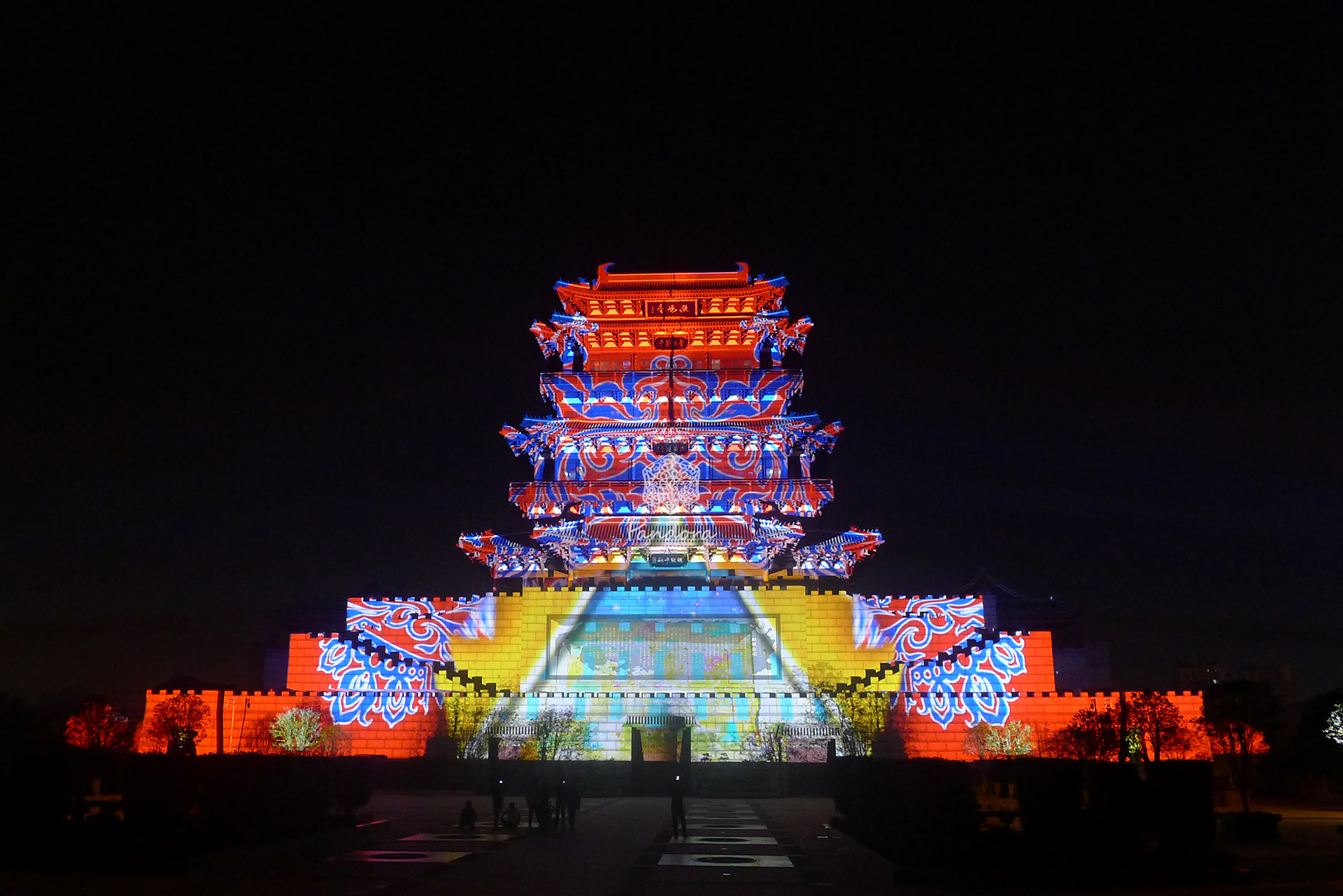
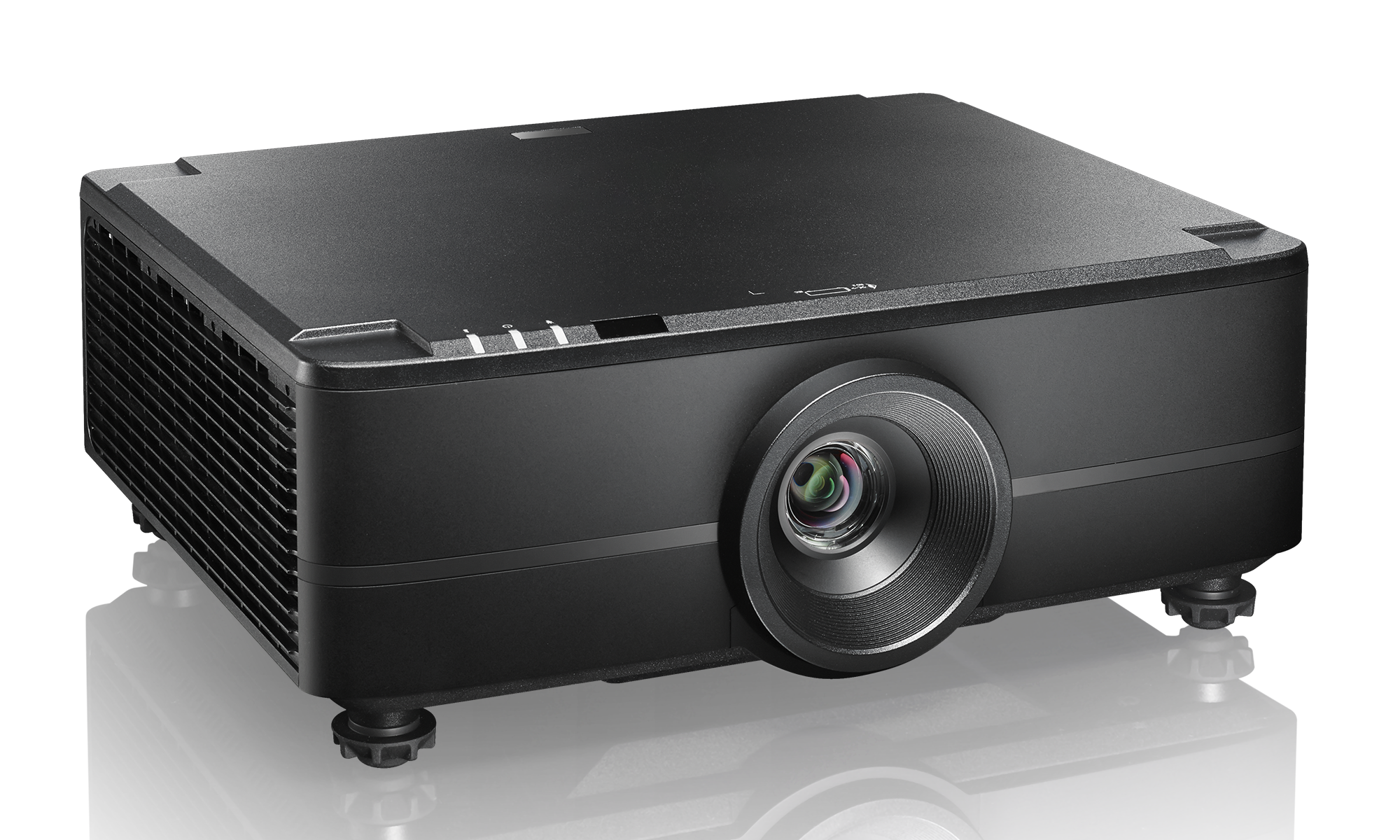
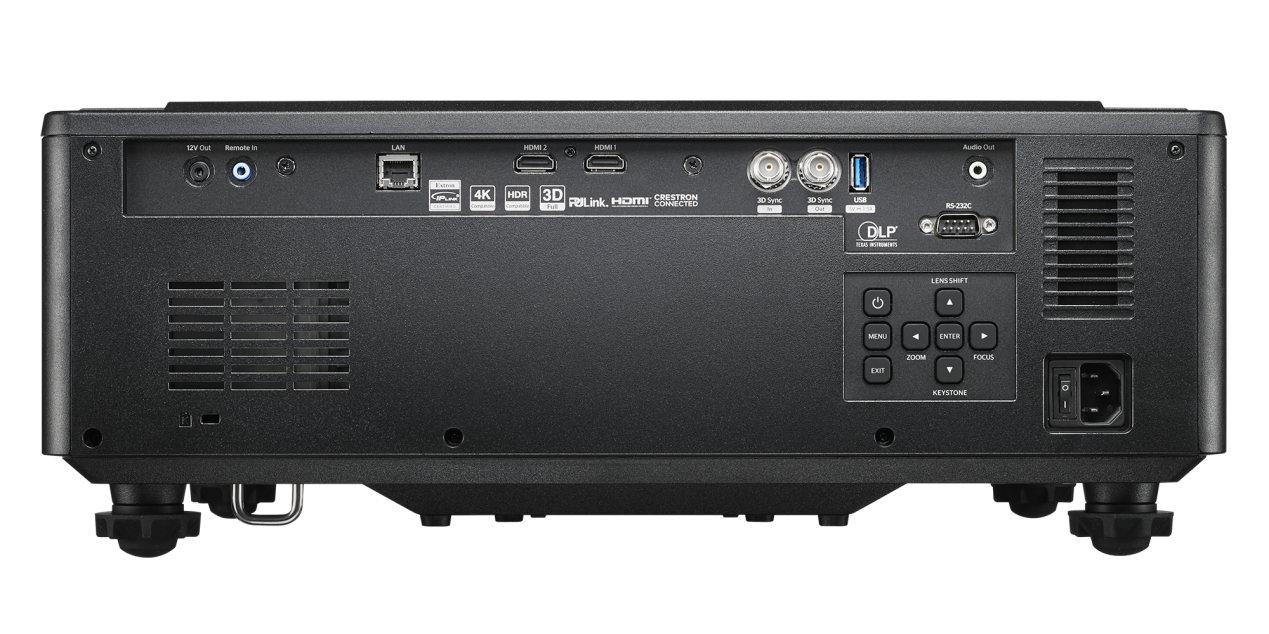
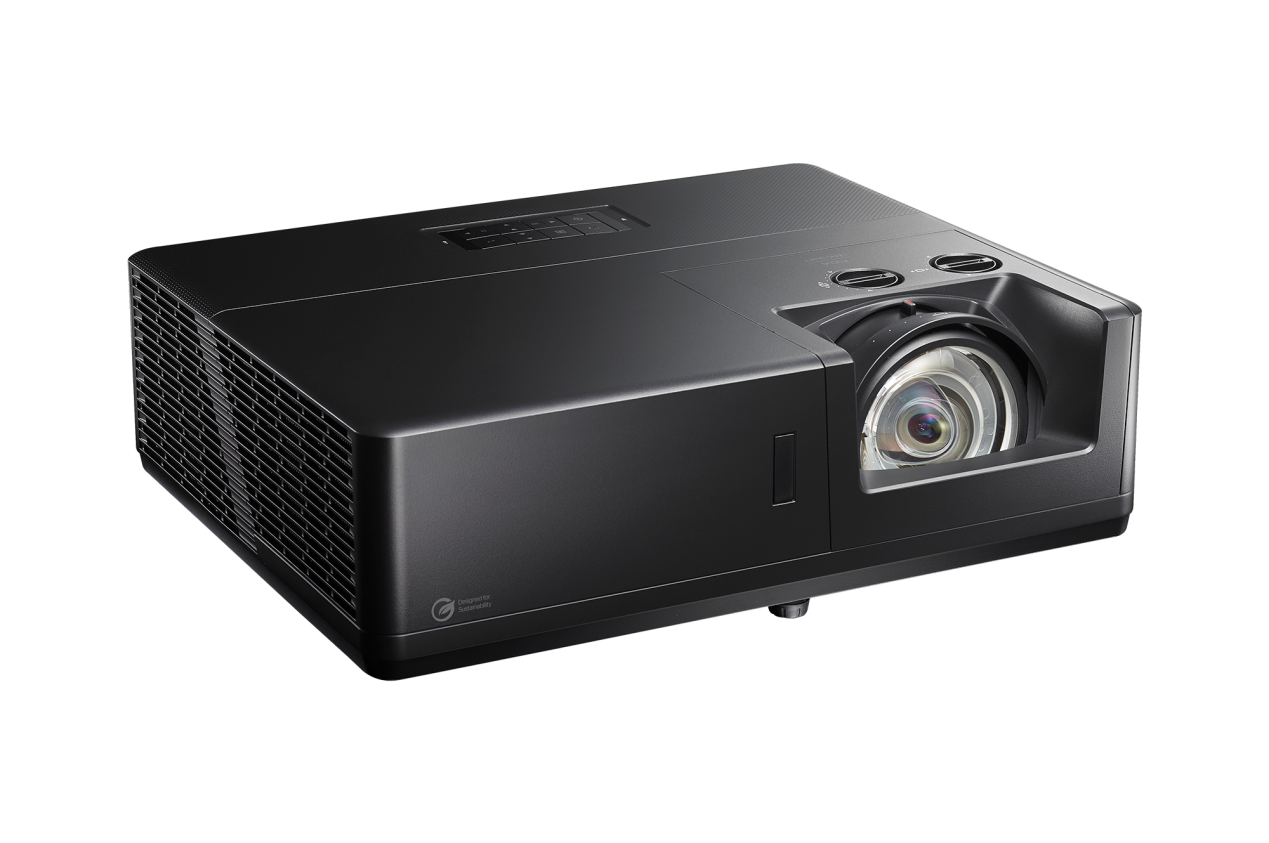
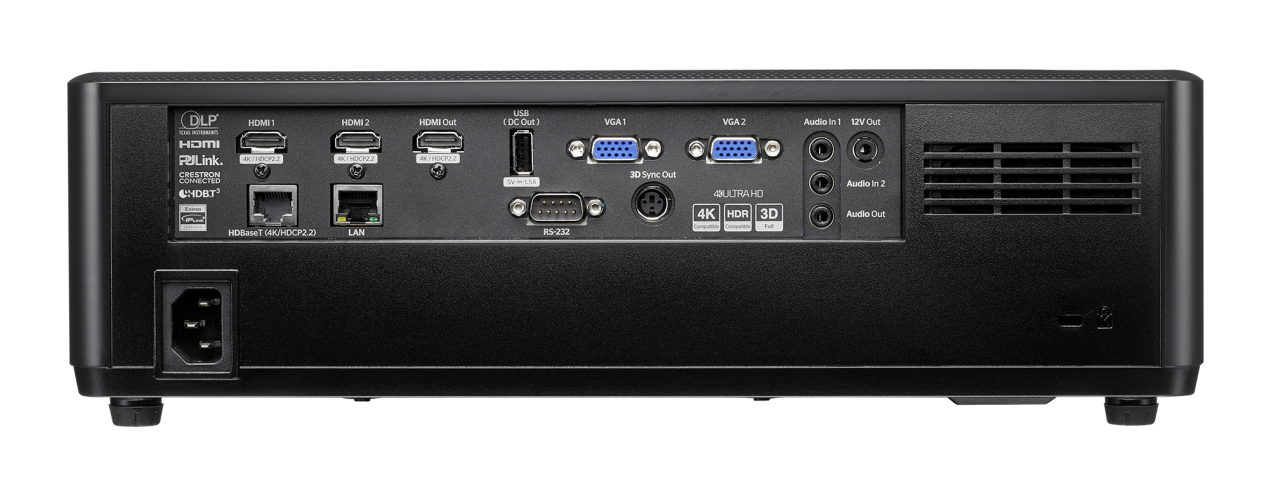
Selecting a Laser Engineering Projector for a large outdoor facade is less about chasing the highest lumen number and more about building a dependable projection system. On complex exterior surfaces, visual impact depends on beam accuracy, ambient light resistance, weather protection, control integration, and service life. In outdoor lighting projects, these factors directly affect commissioning speed, operating stability, and whether the installation continues to perform as intended after months of exposure.
Why facade projection demands a different evaluation standard
A large facade is not a neutral screen. It has texture, joints, setbacks, reflective areas, and uneven viewing distances. That changes how a Laser Engineering Projector should be assessed.
In roadways, public spaces, and dense urban zones, projection equipment also shares space with architectural lighting, street lighting, traffic signals, and smart control networks. A system that looks impressive in a demo room may struggle outdoors.
This is why project teams increasingly focus on practical engineering criteria. Lishida Smart Lighting has seen this clearly in large-scale projects across China, where product selection, system coordination, and long-term reliability often matter more than headline specifications.
Start with the optical task, not the product catalog
Before comparing models, define what the facade must actually display. Static branding, architectural highlighting, seasonal graphics, and dynamic media all place different demands on a Laser Engineering Projector.
- Large-format static projection needs uniform coverage and edge consistency.
- Detailed graphics require stronger optical precision and pixel clarity.
- Long throw distances increase the importance of lens choice and alignment tolerance.
- Irregular building geometry may require mapping support and distortion correction.
When the task is clear, brightness can be judged in context. A projector that is technically bright but poorly matched to the throw distance or surface finish will still underperform.
Key parameters that influence real outdoor performance
Brightness and contrast under ambient light
Outdoor facades compete with street lighting, commercial signage, and vehicle movement. The right Laser Engineering Projector must maintain legibility at the intended viewing time, not just in blackout conditions.
Evaluate brightness together with contrast, black level behavior, and beam consistency. For dusk applications, the requirement may differ greatly from a fully dark presentation window.
Lens options and projection geometry
Lens flexibility is often decisive. If mounting positions are restricted by structure, maintenance access, or public safety clearance, the projector must adapt without compromising image shape.
Pay close attention to throw ratio, lens shift, keystone limits, and edge blending capability. These affect both image quality and installation efficiency.
Ingress protection and thermal stability
For facade use, environmental durability is not optional. Rain, dust, temperature swings, and wind-driven moisture all influence component life.
The enclosure, cooling path, and sealing design should be reviewed as carefully as the optical engine. An outdoor-rated Laser Engineering Projector must sustain output without unstable thermal throttling.
System coordination is often the hidden success factor
A Laser Engineering Projector rarely works alone in an outdoor project. It must coexist with facade luminaires, pathway lighting, smart scheduling, and power distribution constraints.
In practice, the cleanest project outcomes come from coordinated system planning. That includes control logic, mounting structure, maintenance routes, glare management, and how the projection supports the broader nighttime environment.
For example, supporting infrastructure around the projection zone should be equally robust. In streetscape projects, durable poles and lighting elements such as Modern Street Lighting|MSL-XM can help create a stable surrounding lighting framework, especially where IP67 protection, wind resistance up to 150 km/h, and long service life are already project requirements.
Where selection mistakes usually happen
One common mistake is evaluating the Laser Engineering Projector in isolation. The device may be suitable, while the mounting angle, facade reflectivity, or network architecture is not.
- Overvaluing peak brightness without checking usable brightness at full throw distance.
- Ignoring service intervals and access needs for elevated installation points.
- Underestimating wind load effects on brackets and alignment stability.
- Selecting controls that do not align with the site’s smart lighting platform.
Another issue is failing to model the full nighttime scene. If surrounding luminaires are upgraded later, projection contrast can drop. Outdoor lighting should be evaluated as a combined visual environment.
A practical way to compare options
A useful comparison process starts with the site and ends with lifecycle performance. Shortlists should be based on measurable project fit, not only product reputation.
Focus on these checks
- Map viewing distance, facade material, ambient light, and allowable mounting points.
- Confirm optical performance using realistic throw and content conditions.
- Review enclosure durability, cooling strategy, and maintenance workflow.
- Check protocol compatibility with lighting controls and remote monitoring.
- Estimate operating cost, not just procurement cost.
This approach reflects how large projects are typically delivered. Reliable results come from balancing projection quality with system integration, field conditions, and long-term service practicality.
What to do next
If a facade projection project is moving into evaluation, start by documenting the site’s optical task, control requirements, and maintenance constraints. Then compare each Laser Engineering Projector against those conditions rather than against a generic specification sheet.
Where the project also includes roads, plazas, or urban public space, it helps to review the projector within the larger outdoor lighting system. That is often where integration risks, reliability gains, and better long-term decisions become visible.
◉ MESSAGE
Blog
- How Smart StreetLightingIssL-CC Improves Streetlight Management Efficiency
- Common Deployment Issues with Smart StreetLightingIssL-CC and Practical Fixes
- LED Pattern Projector for Outdoor Branding: What to Consider Before Installation
- How to Fix Blurry Images and Uneven Output in an LED Pattern Projector
- What Gobo Size and Projection Distance Work Best for an LED Pattern Projector?
- Common Solar Street Lighting Failures and Fixes
- How to Choose Solar Street Lighting for Low-Sun Areas
Message