
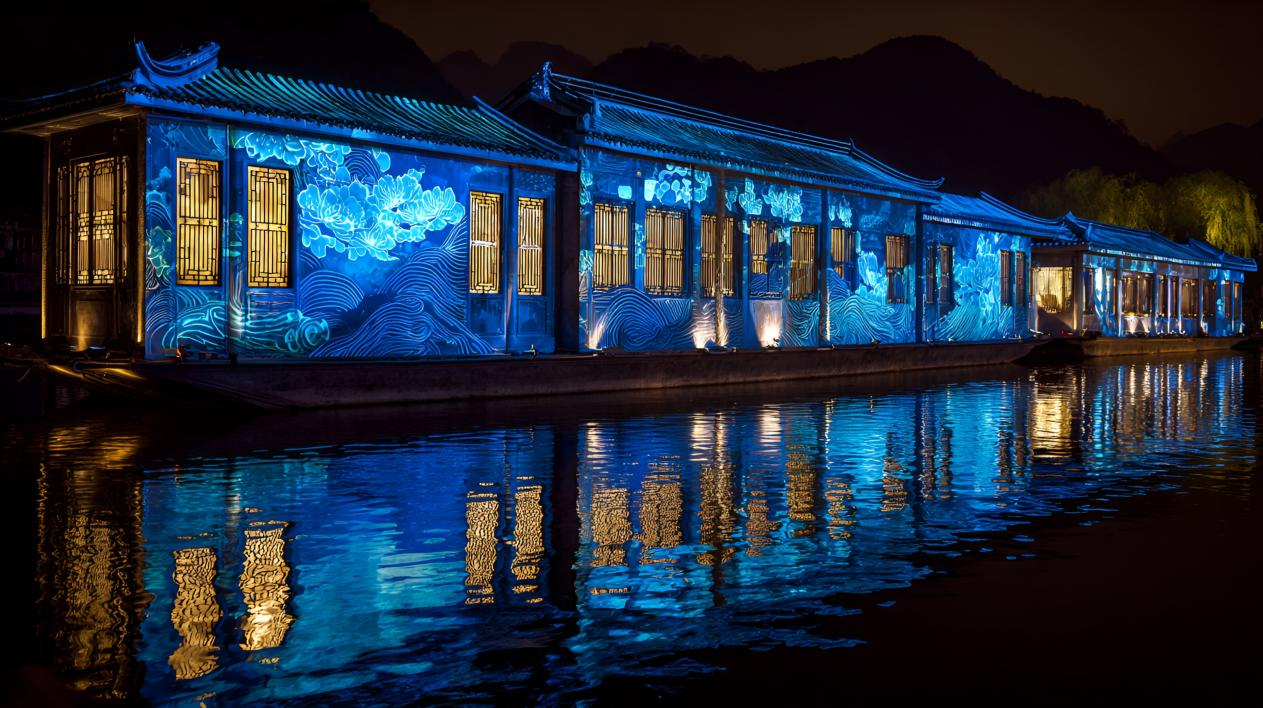
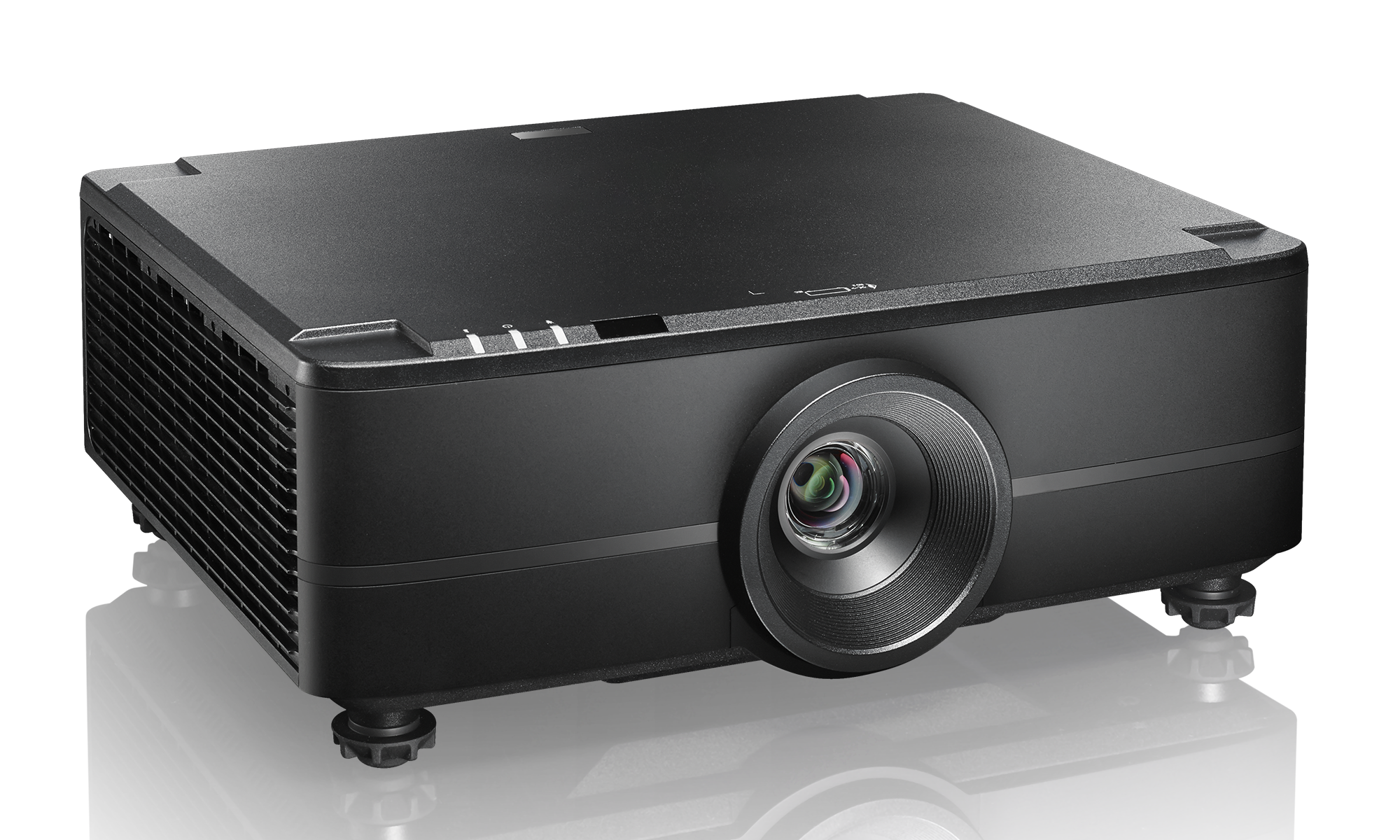
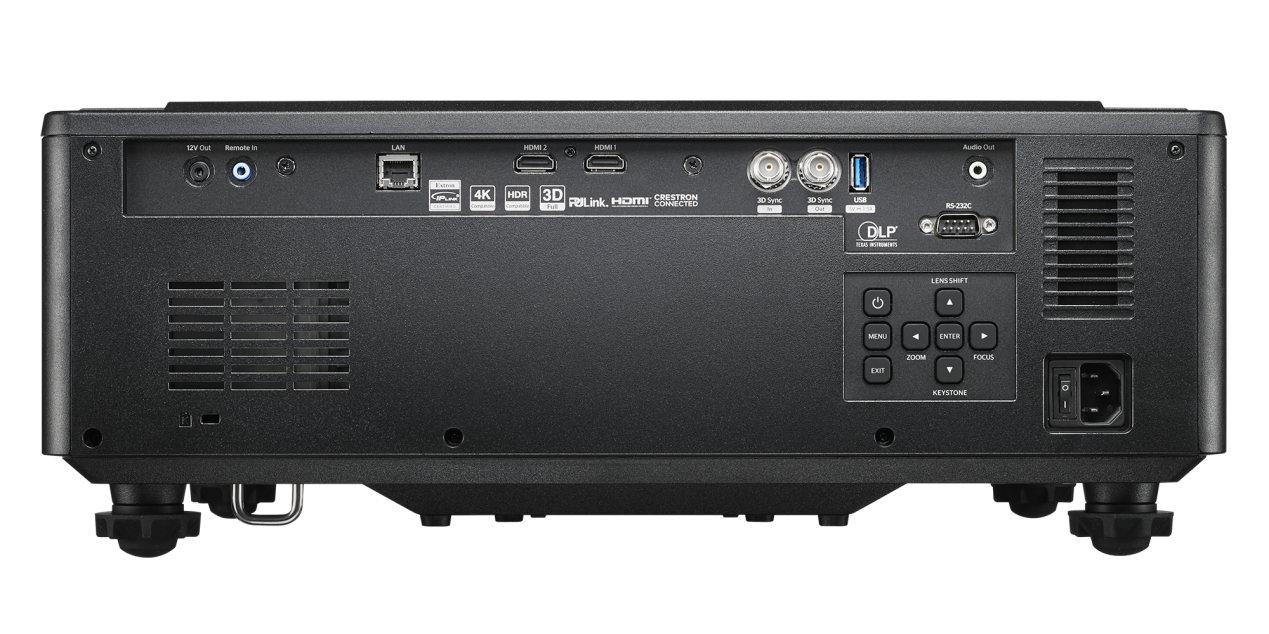
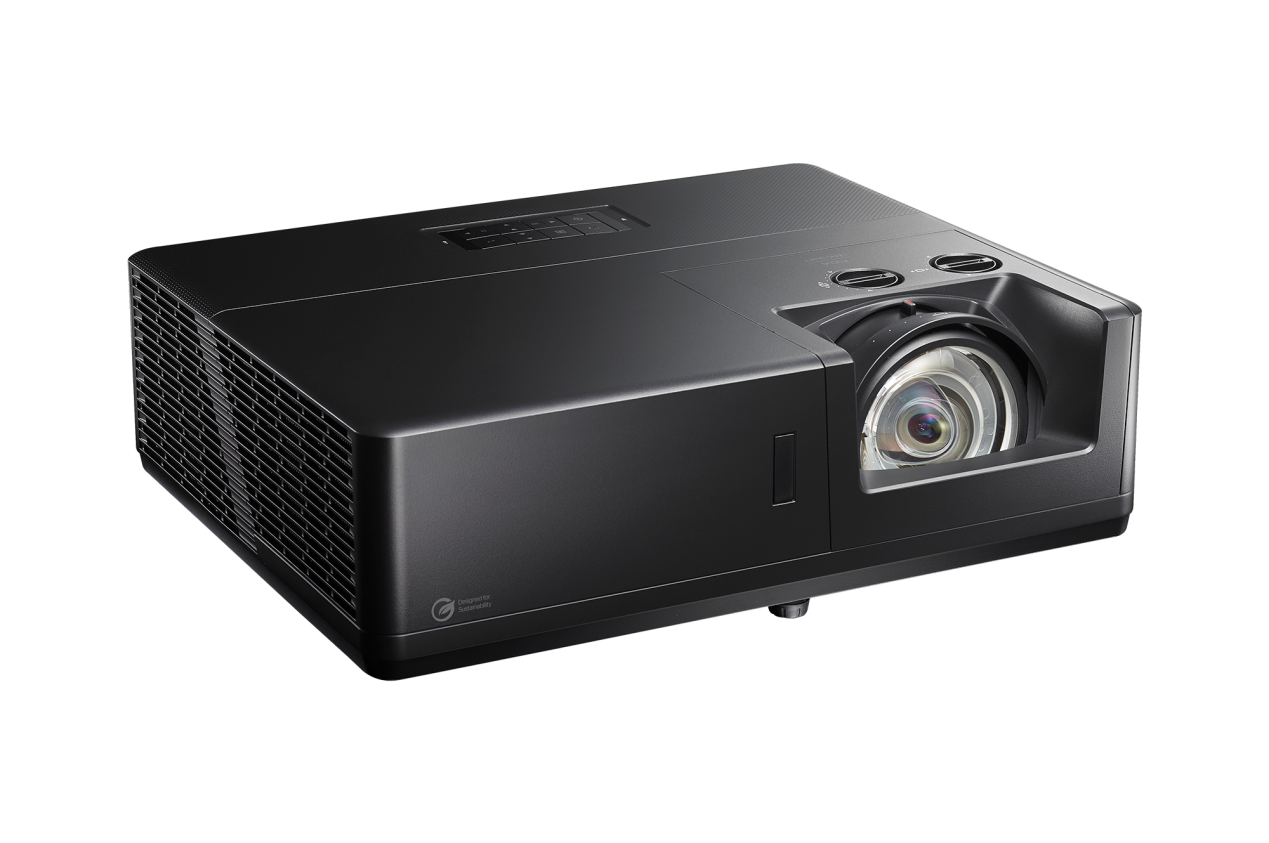
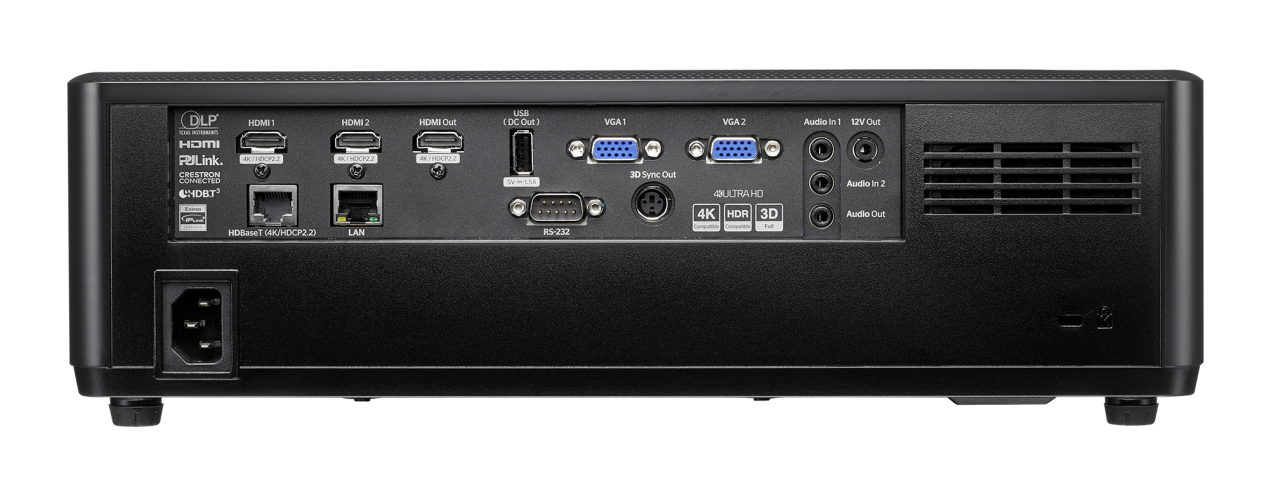
A Laser Engineering Projector creates bright, accurate lines or patterns on real project surfaces. In outdoor lighting, that matters because installation errors on roads, plazas, and urban corridors can quickly become costly, slow, and difficult to correct.
Instead of relying only on chalk marks, strings, or repeated manual checks, project teams use projected reference points to guide positioning, alignment, and spacing. This makes the Laser Engineering Projector increasingly relevant in complex construction and infrastructure work.
What the equipment actually does
At its core, a Laser Engineering Projector converts digital or preset geometric information into visible guidance on a physical site. The projection may include lines, grids, outlines, symbols, or installation boundaries.
In outdoor lighting projects, this can support pole layout, foundation positioning, cable route indication, fixture orientation, and maintenance reference marking. The value is not the light alone, but the precision behind it.
A standard presentation laser is made for visibility. A Laser Engineering Projector is built for measurable accuracy, repeatability, and field integration.
How a Laser Engineering Projector works
The working principle is straightforward, even if the system behind it is sophisticated. A laser source emits a concentrated beam. Optical components then shape that beam into controlled lines or programmed patterns.
The device uses positioning logic, internal calibration, and mounting references to keep the projection aligned with the intended coordinates. Some systems connect with digital drawings, control software, or survey data.
In practical use, the process usually follows a few steps:
- Set the projector at a stable reference point.
- Calibrate its angle, height, and orientation.
- Load or define the required projection pattern.
- Project the pattern onto the work surface.
- Verify actual placement against the projected guide.
This is why the Laser Engineering Projector is often discussed alongside accuracy control, workflow efficiency, and rework reduction rather than basic illumination alone.
Why it matters in outdoor lighting projects
Outdoor lighting projects rarely happen in ideal conditions. Surfaces are uneven, distances are long, tolerances are tight, and coordination often involves civil works, electrical systems, and urban design requirements at the same time.
That is where a Laser Engineering Projector becomes useful. It helps turn drawings into visible instructions on site, reducing interpretation gaps between planning and execution.
For contractors and project owners, the main benefits usually include fewer layout mistakes, faster site marking, clearer installation guidance, and better consistency across large project areas.
This also fits the reality of integrated project delivery. Lishida Smart Lighting works with large-scale outdoor environments where product choice, smart control, long-term reliability, and field coordination must work together rather than separately.
Typical use cases on site
The same Laser Engineering Projector can support different stages of an outdoor lighting project, depending on how detailed the planning data is and how demanding the site conditions are.
What to evaluate before using one
Not every Laser Engineering Projector is suitable for every outdoor application. The right choice depends on environmental conditions, project scale, and the precision needed in real field operations.
- Visibility in daylight or mixed ambient lighting.
- Projection distance and pattern stability over range.
- Resistance to dust, moisture, vibration, and weather.
- Compatibility with digital drawings or control systems.
- Ease of calibration and repeat positioning.
- Maintenance support for long project cycles.
More importantly, the projector should not be evaluated in isolation. It should be reviewed as part of a broader delivery system that includes luminaires, poles, controls, and installation methodology.
The link between projection accuracy and lighting reliability
Installation precision affects long-term lighting performance more than it first appears. If pole placement or orientation is off, light distribution, maintenance access, and visual uniformity can all suffer later.
That is why project planning often benefits from combining accurate layout tools with durable lighting hardware. For example, street lighting systems such as Modern Street Lighting|MSL-GY are designed for large outdoor applications where structural strength, weather resistance, and long service life matter just as much as visual effect.
With Q235 steel construction, IP67 protection, wind resistance of at least 150 km/h, and a lifespan of 30 years or more, that kind of solution shows why site accuracy and equipment reliability should be considered together.
Where the industry is paying closer attention
Current interest in the Laser Engineering Projector is tied to larger project pressures. Urban projects are expected to move faster, coordinate more systems, and deliver better long-term performance with fewer installation surprises.
Digital design is also becoming more detailed. Once layout data is more precise, site execution must keep pace. Projected guidance helps bridge that gap between model and field.
In roads, public spaces, and complex urban environments, this matters because even small misalignment can multiply across dozens or hundreds of lighting points.
A practical way to move forward
A Laser Engineering Projector is best understood as a field accuracy tool with clear value in outdoor lighting delivery. It helps translate planning into visible execution, especially where scale, coordination, and reliability are critical.
The next useful step is to compare actual project needs against three factors: layout precision, site conditions, and system integration. From there, it becomes easier to judge whether projected guidance, durable lighting infrastructure, or both should shape the final solution.
◉ MESSAGE
Blog
- How Demand for LED Pattern Projectors Is Changing in Commercial Lighting
- How to Compare Modern Street Lighting Options for Main Roads and Side Streets
- How Smart StreetLightingIssL-CC Improves Streetlight Management Efficiency
- Common Deployment Issues with Smart StreetLightingIssL-CC and Practical Fixes
- LED Pattern Projector for Outdoor Branding: What to Consider Before Installation
- How to Fix Blurry Images and Uneven Output in an LED Pattern Projector
- What Gobo Size and Projection Distance Work Best for an LED Pattern Projector?
Message