
How to Compare LED Floodlight Models for Resale in Outdoor Lighting Markets
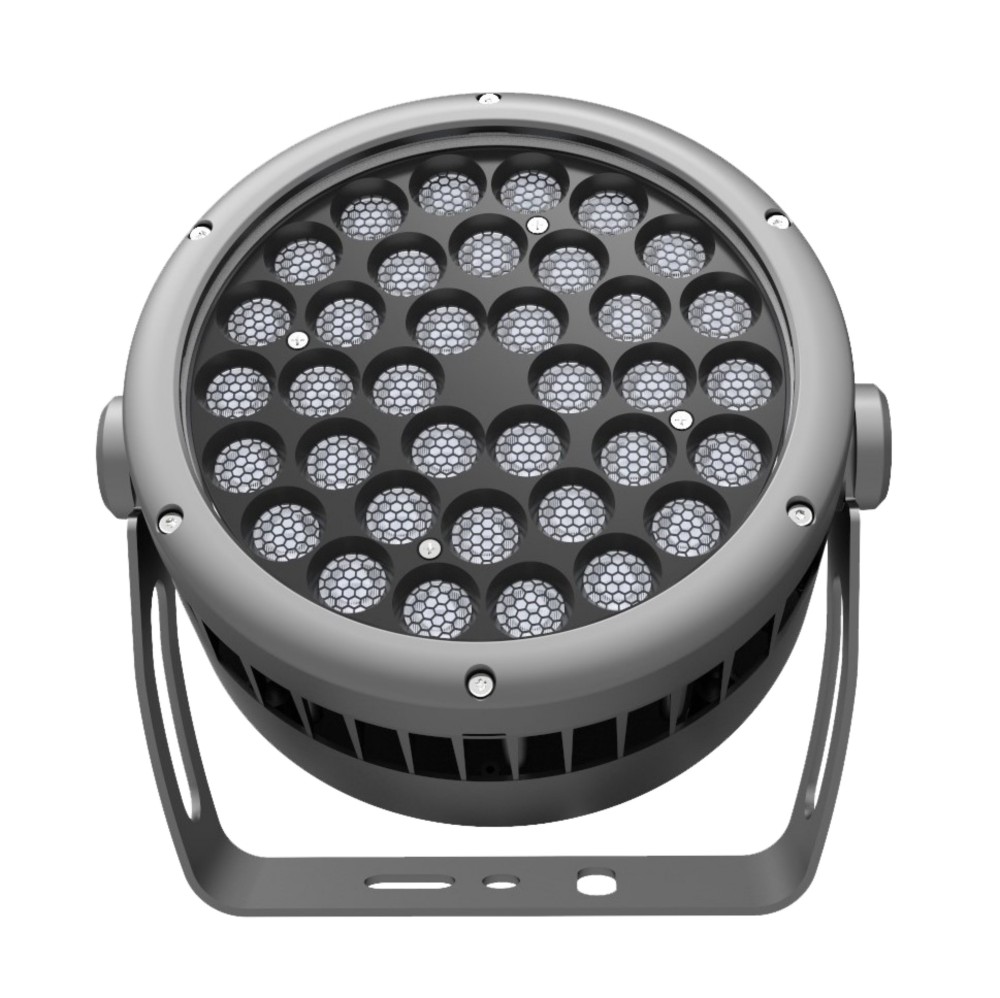
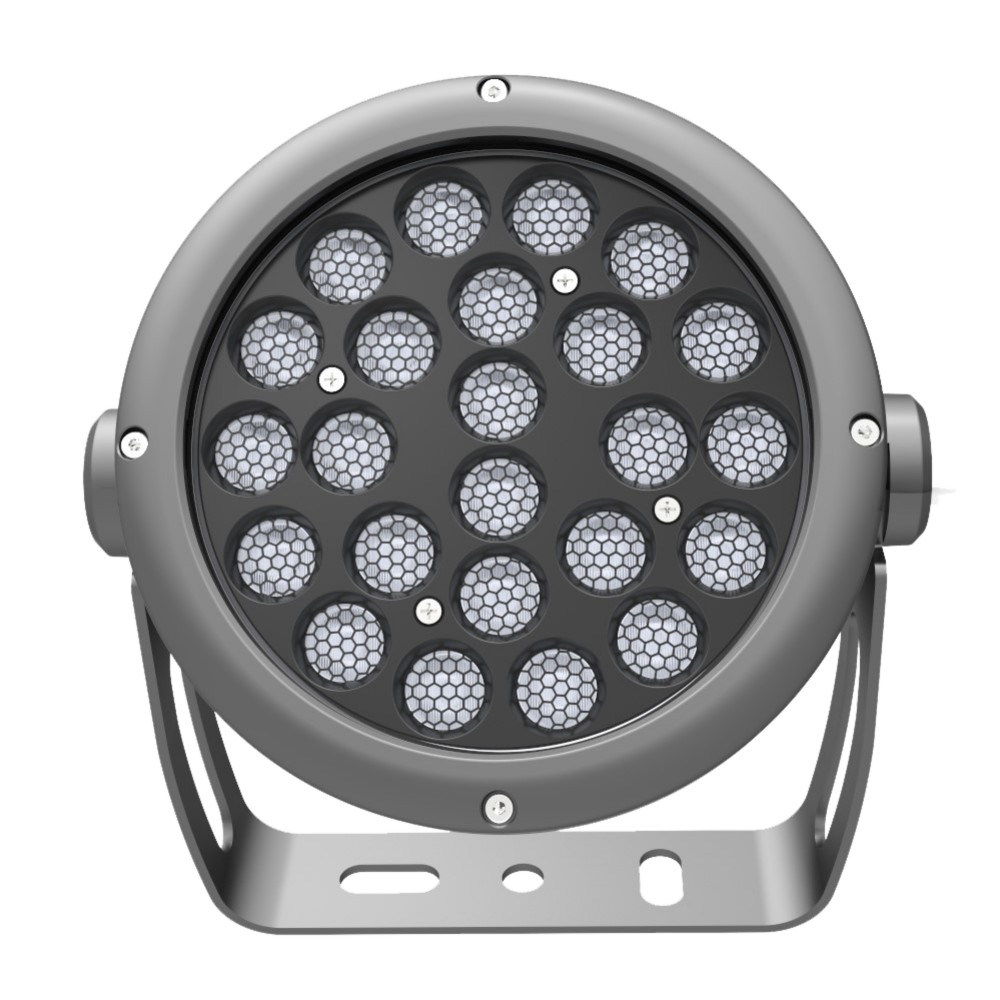
Choosing the right LED Floodlight models for resale is not just about price or wattage. Distributors, dealers, and agents in outdoor lighting markets need to compare performance, durability, beam options, control compatibility, and long-term project reliability. For large-scale applications, understanding these differences helps reduce risk, improve customer satisfaction, and build a stronger product portfolio for roads, public spaces, and urban projects.
In practice, a reseller’s success often depends on how well each LED Floodlight line performs after installation, not just how easily it sells at quotation stage. A product that looks competitive on paper can create service issues within 12–24 months if heat management, sealing, or driver quality are weak.
For distributors serving municipal contractors, engineering companies, and project owners, model comparison should focus on measurable criteria: lumen output, optical flexibility, ingress protection, operating temperature, control readiness, and maintenance cycle. These points matter even more in roads, public squares, parking areas, façades, and multi-zone urban lighting projects.
Companies such as Lishida Smart Lighting support large-scale outdoor lighting delivery by combining products, smart control systems, and project-based engineering support. That matters for channel partners because resale value is no longer tied to one fixture alone; it increasingly comes from dependable system integration, predictable supply, and fewer site-level problems.
Key Criteria When Comparing LED Floodlight Models
A useful comparison framework starts with 5 core dimensions: performance, durability, beam control, electrical compatibility, and lifecycle cost. If a reseller evaluates models only by wattage, two products both rated at 100W may appear equal while delivering very different optical results and maintenance outcomes.
1. Compare Real Lighting Performance, Not Wattage Alone
Wattage only shows power consumption. For outdoor resale, buyers should compare luminous efficacy, lumen maintenance, color temperature options, and beam spread. A 100W LED Floodlight at 130 lm/W delivers significantly more usable output than one at 100 lm/W, especially across large parking lots or public zones.
Dealers should also check whether the manufacturer provides multiple beam angles such as narrow, medium, and wide distribution. In façade lighting, sports perimeters, and road-adjacent spaces, beam control affects uniformity, spill light, and pole spacing. This can directly influence how many fixtures a project needs over a 50 m to 200 m area.
Questions to ask before adding a model to your portfolio
- What is the actual lumen output at full load?
- What beam angles are available for different site layouts?
- Is 3000K, 4000K, or 5700K offered for local project preferences?
- How stable is output after 10,000 h and 30,000 h of operation?
The table below shows a practical way to compare LED Floodlight models for resale across common outdoor project needs.
For resellers, this table highlights a simple truth: the best LED Floodlight model is usually the one that balances output, protection, and system fit. Projects rarely fail because wattage was too low alone; they fail because product selection ignored the application environment.
2. Durability Is a Profit Factor, Not Just a Technical Detail
Outdoor lighting service calls can quickly erase distributor margin. If one batch creates repeat driver failures or water ingress in 18 months, the hidden cost includes replacement labor, logistics, complaint handling, and brand damage. That is why housing material, thermal design, sealing quality, and mounting strength should be checked before resale.
For demanding urban environments, many buyers prefer die-cast aluminum bodies, corrosion-resistant finishes, and robust brackets that maintain alignment under wind and vibration. These details are especially relevant for pole-mounted floodlights in transport corridors, pedestrian zones, and open public spaces.
Common durability checkpoints
- Verify housing and bracket material.
- Review IP level and sealing design.
- Check surge protection and driver location.
- Confirm expected service life, often 50,000 h or higher.
- Ask about spare parts availability over 3–5 years.
How to Match LED Floodlight Models to Outdoor Market Segments
Resellers often improve conversion rates when they classify LED Floodlight models by application instead of presenting all options in one catalog block. A contractor buying for a sports edge, for example, does not compare products the same way as a landscape designer or a city maintenance team.
Roads, Public Spaces, and Urban Projects Need Different Priorities
In road and infrastructure projects, glare control, mounting height, and maintenance intervals often matter more than decorative appearance. In plazas and civic spaces, visual comfort, control zoning, and nighttime ambience may carry equal weight. For commercial exteriors, the buyer may prioritize façade uniformity, branding effect, and energy reporting.
This is where portfolio planning becomes strategic. Instead of stocking 10 similar products, many distributors perform better with 3 to 4 clearly positioned LED Floodlight families: one for general municipal use, one for architectural lighting, one for high-output perimeter applications, and one for smart-control projects.
The following table maps common outdoor segments to practical selection priorities.
The main takeaway is that application-led comparison reduces quotation friction. When your sales team can align a model to a specific use case in 2 or 3 clear steps, customers gain confidence and projects move faster.
Do Not Overlook Adjacent Outdoor Products in Mixed Projects
Large outdoor developments rarely use floodlights alone. Parks, pedestrian zones, and commercial landscapes often combine floodlighting with pathway, bollard, lawn, or garden fixtures. Resellers who understand this can increase order value by proposing coordinated packages rather than isolated products.
For example, in landscaped public areas, a project may require both accent floodlighting and lower-height fixture families for walkways and green spaces. A product such as LED Garden&Lawn Lighting | GLL-FQ can complement higher-output lighting in gardens, parks, and commercial landscapes where visual comfort matters as much as coverage.
Its configuration reflects what many professional buyers look for in adjacent outdoor categories: 40W–60W rated power, 120 lm/W luminous efficiency, IP67 protection, operating temperature from -40℃ to +70℃, and a service life of at least 50,000 h. Details like hot-dip galvanized plus powder-coated finishing, 3.5–5 m height options, and wind resistance of at least 150 km/h are useful in exposed landscape environments.
For distributors, that kind of supporting product can improve package selling in projects where the customer wants one supplier for multiple exterior zones. It also aligns with a broader outdoor lighting strategy built around lifespan, weather resistance, and easier project coordination.
Commercial Evaluation: Margin, Risk, and Service Support
A technically strong LED Floodlight still needs to work commercially. Resellers should compare not only product parameters but also delivery reliability, documentation quality, packaging consistency, and engineering support. In B2B outdoor lighting, these factors can influence win rate as much as the fixture itself.
Build a 4-Point Vendor Review Process
A simple 4-point review can help filter supply partners. First, assess manufacturing consistency. Second, confirm engineering response speed. Third, review smart control compatibility. Fourth, check long-term support for accessories and replacements. This approach is especially useful when preparing for tenders or framework agreements lasting 1–3 years.
- Manufacturing: Can supply remain stable across repeated batches?
- Engineering: Are lighting layouts, technical sheets, and selection support available?
- Integration: Can the products fit wider control systems and project logic?
- After-sales: Is there a clear path for issue handling and spare support?
For project-oriented distributors, support from a company experienced in roads, public spaces, and urban environments can reduce decision risk. Lishida Smart Lighting’s positioning in integrated products, smart controls, and project-based delivery reflects the direction many channel partners now prefer: fewer isolated transactions, more complete outdoor lighting solutions.
Common Mistakes When Comparing LED Floodlight Models
Mistake 1: Choosing only by initial price
A lower purchase price may look attractive, but if failure rate rises and maintenance starts within the first 12 months, overall project cost increases. Resellers should consider warranty handling time, replacement logistics, and site labor exposure.
Mistake 2: Ignoring control compatibility
Many urban projects now expect dimming, scheduling, or centralized control. If a LED Floodlight model cannot support the required interface, the product may be excluded later in the bidding or design stage.
Mistake 3: Offering too many overlapping models
An overloaded portfolio can confuse both sales teams and buyers. A cleaner structure with defined output bands, such as 50W–100W, 100W–200W, and 200W+, is often easier to sell and manage.
A Practical Selection Workflow for Distributors and Agents
To improve quotation accuracy and reduce post-sale issues, distributors can adopt a 5-step comparison workflow. This works well for both stock planning and project-specific offers.
- Define the application: road, façade, plaza, landscape, or mixed urban zone.
- Set the target output and beam requirement.
- Confirm environmental conditions such as rain, dust, wind, and temperature.
- Review control needs, including dimming or smart system integration.
- Compare lifecycle support, not only unit price.
This method helps channel partners present LED Floodlight options with stronger logic and fewer revisions. It also creates a clearer internal standard for product onboarding, technical training, and customer communication.
The strongest resale portfolios are built around dependable outdoor performance, application fit, and project support. If you are evaluating LED Floodlight models for municipal, commercial, or urban development markets, choose products and partners that can support long-term reliability, system compatibility, and efficient delivery. To refine your product mix or explore integrated outdoor lighting solutions, contact us today, get a tailored recommendation, and learn more about solutions designed for large-scale projects.
◉ MESSAGE
Blog
- LED Street Luminaire Specifications That Matter for Roadway Projects
- What to Evaluate When Selecting a Smart Street Lamp Manufacturer
- How to Prepare a Compliant Solar Lighting Bid for Public Infrastructure Projects
- LED Street Lighting Solutions for Urban and Municipal Roads
- LED Street Light Installation Guide for Road Projects
- LED Street Light Lifespan: How Long Do LED Road Lights Last?
- LED Street Light IP Rating: What Should Buyers Choose?
Message