
Smart Solar Lighting: The Future of Urban Public Lighting
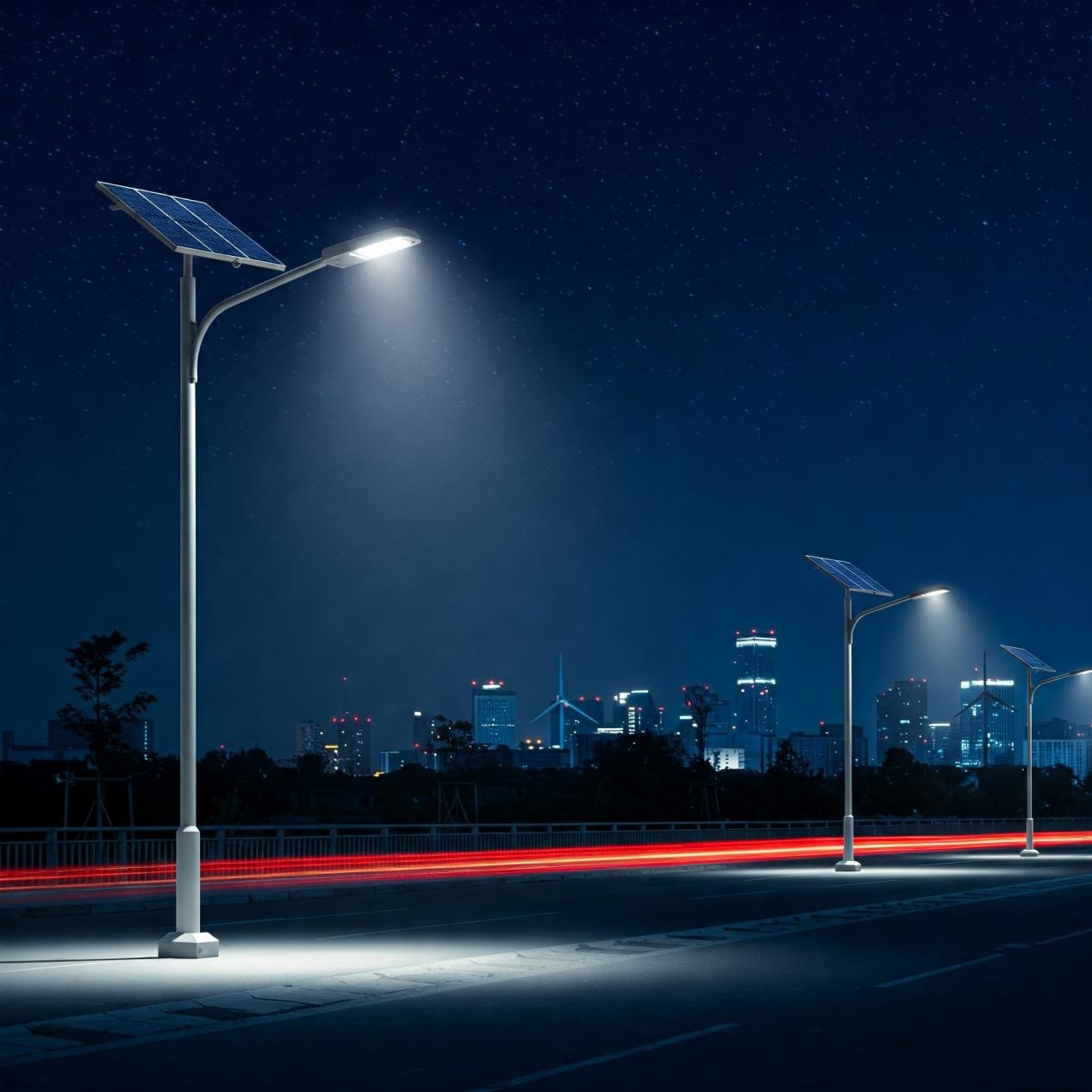
Urban public lighting is evolving from grid-dependent infrastructure to self-powered smart energy systems.
By integrating solar power, battery storage, LED lighting, and intelligent control, cities can significantly reduce energy costs while enabling smart city management.
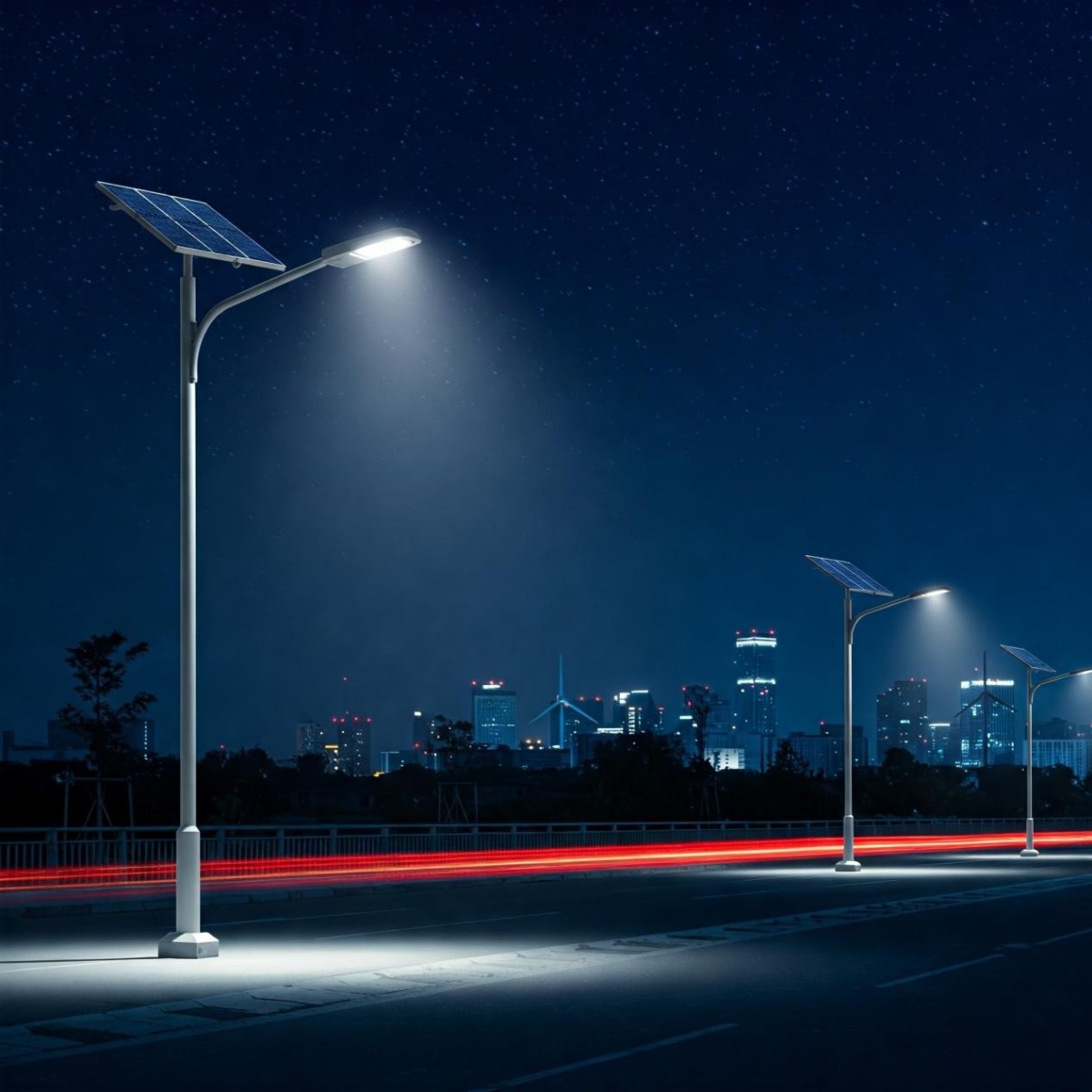
Why Cities Are Adopting Smart Solar Lighting
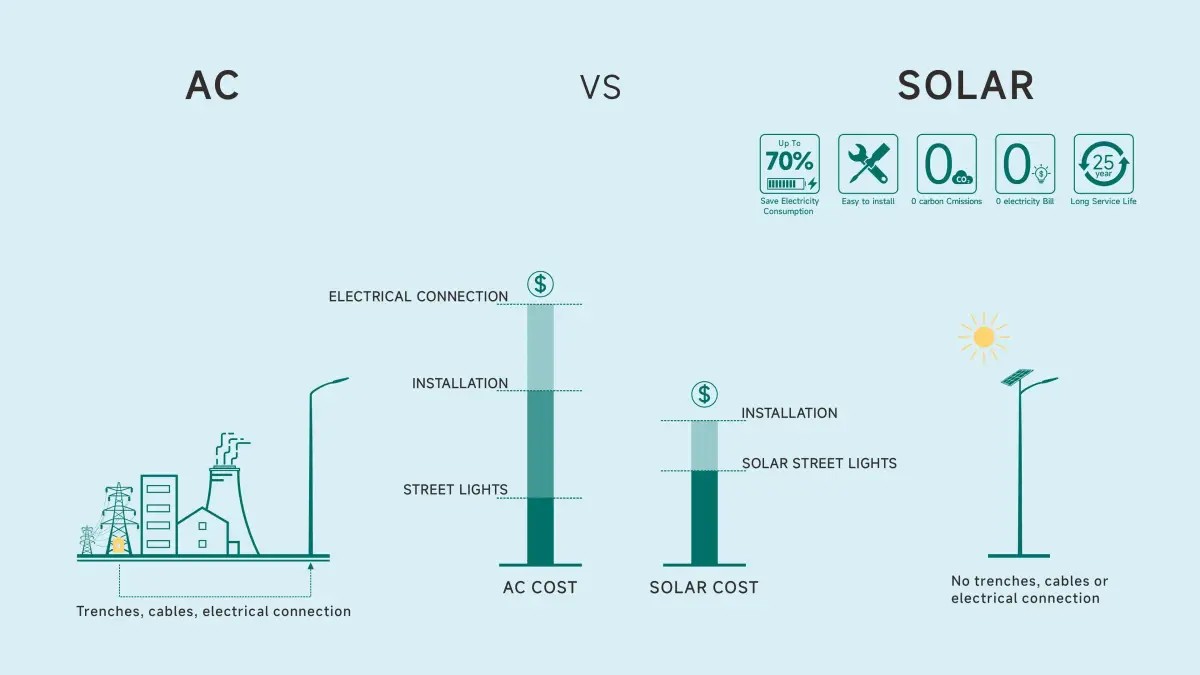
Traditional street lighting relies entirely on grid electricity and requires continuous operational spending. As cities grow, lighting networks become larger and more expensive to maintain.
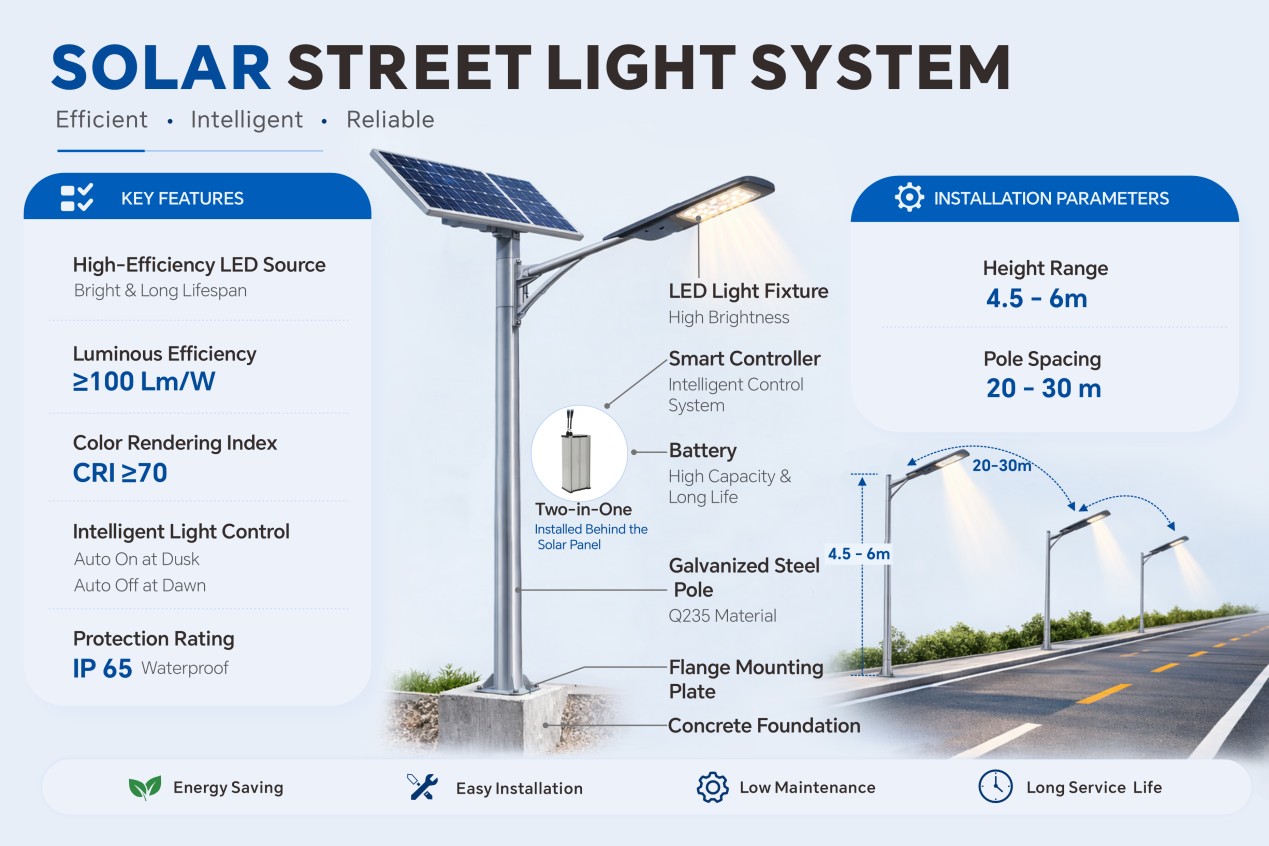
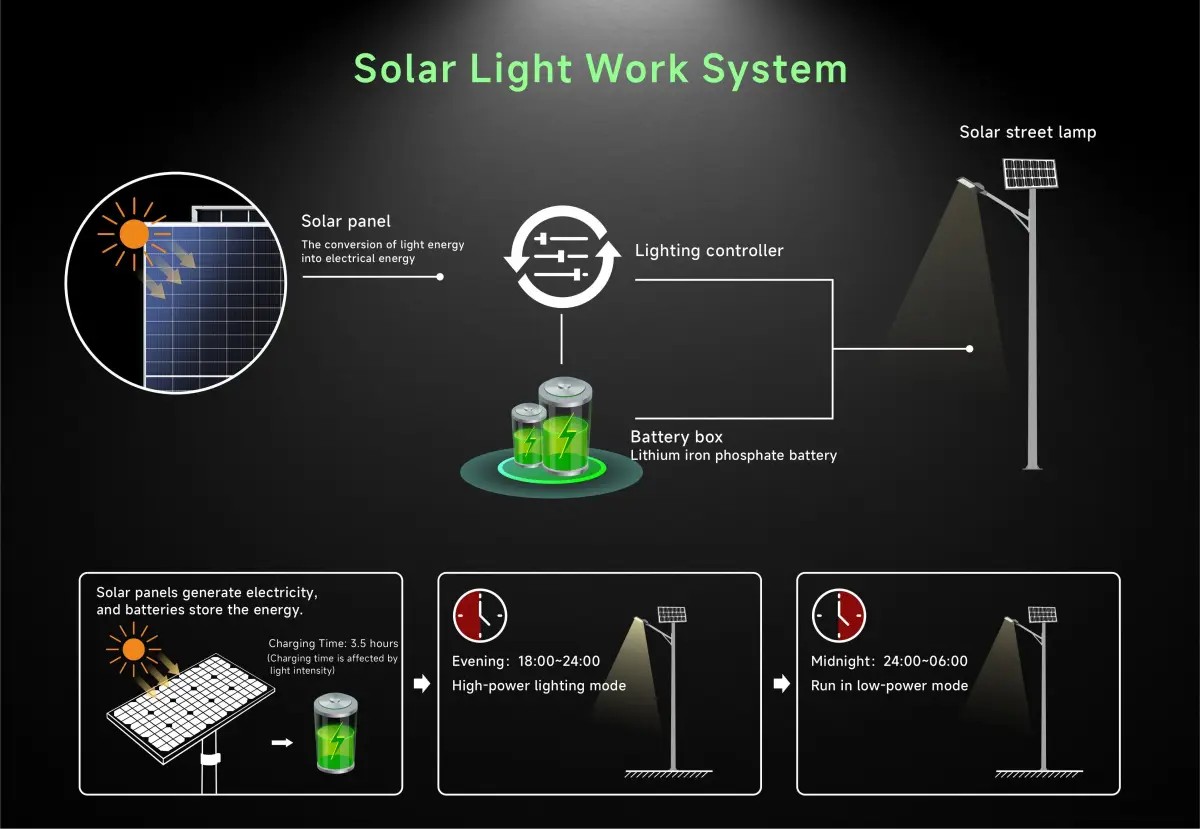
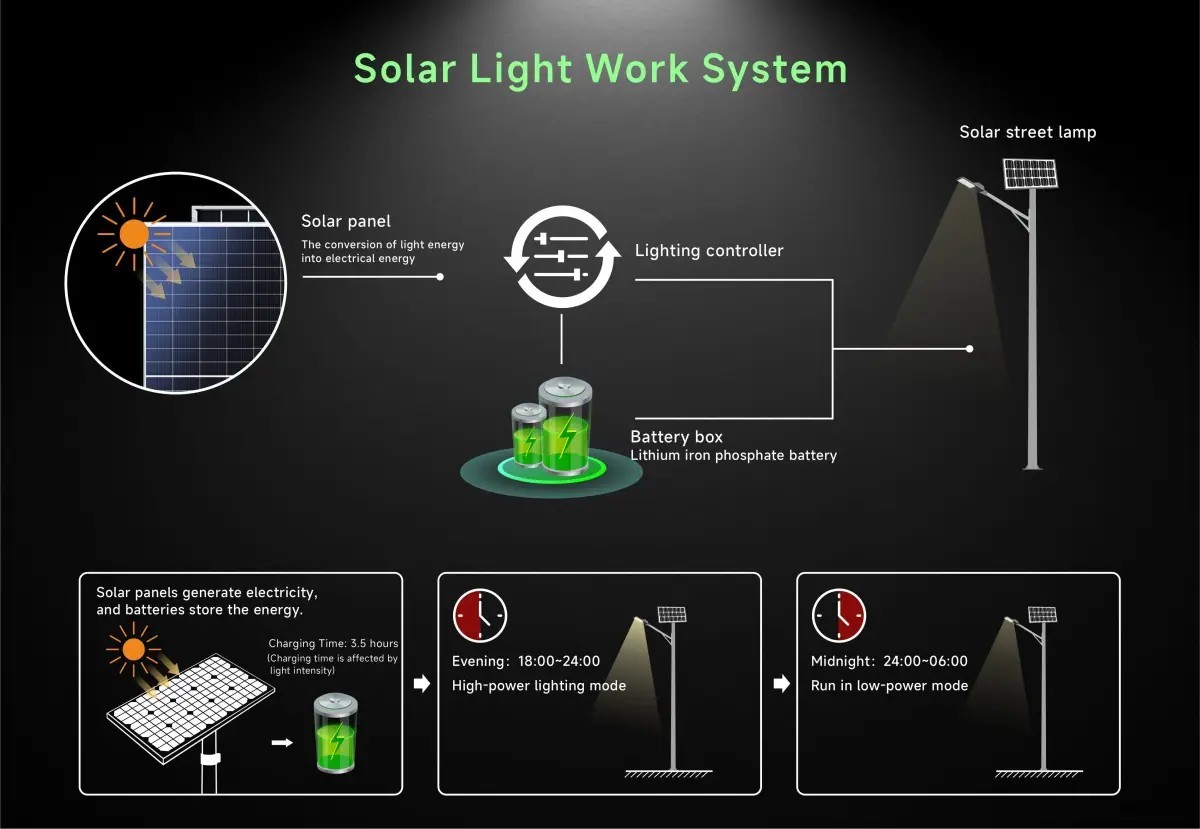
Smart solar lighting systems address these challenges by integrating:
· Photovoltaic solar panels
· Energy storage batteries
· High-efficiency LED lighting
· Remote monitoring and smart control
This enables energy self-sufficiency, reduced operating costs, and intelligent lighting management.
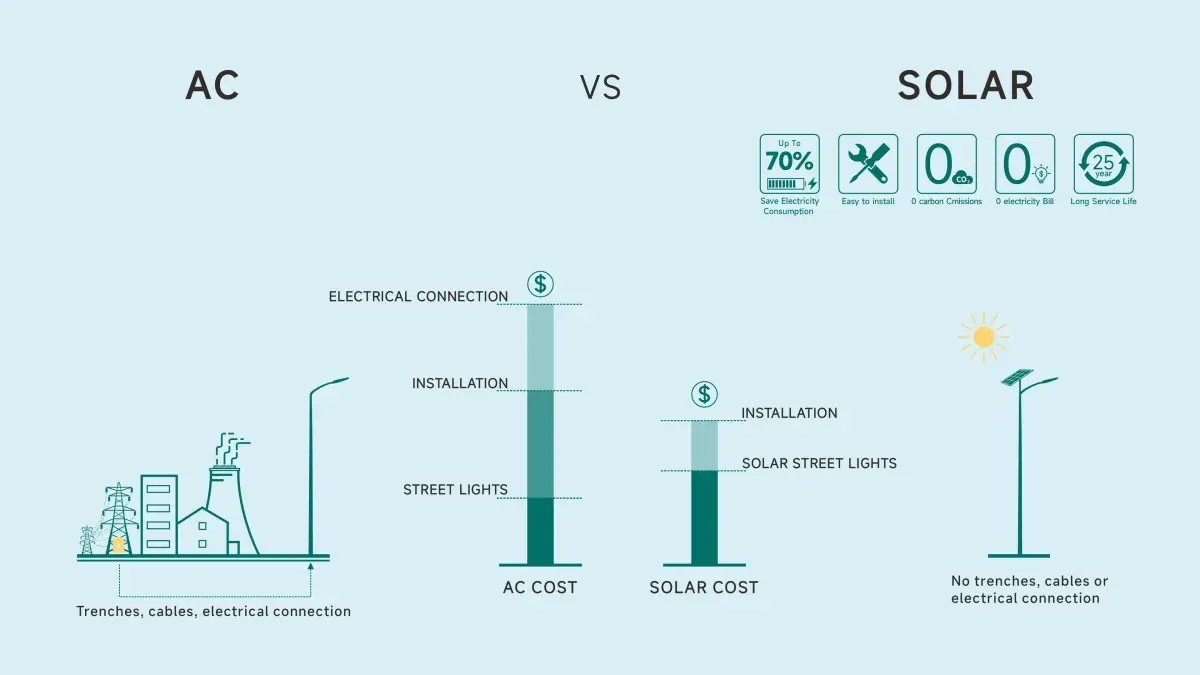
A Growing Global Trend
The adoption of smart solar street lighting is accelerating worldwide because:
· Solar and battery costs continue to decline
· Cities are focusing on lifecycle operational savings
· Smart city platforms require connected infrastructure
Lighting systems are evolving from single devices into city-scale smart infrastructure networks.
More Than Lighting: Part of Smart City Infrastructure
Modern smart solar lighting can integrate with smart poles and urban IoT platforms, enabling:
· remote equipment monitoring
· energy management
· environmental sensing
· city data collection
Streetlights are becoming key nodes of smart city infrastructure.
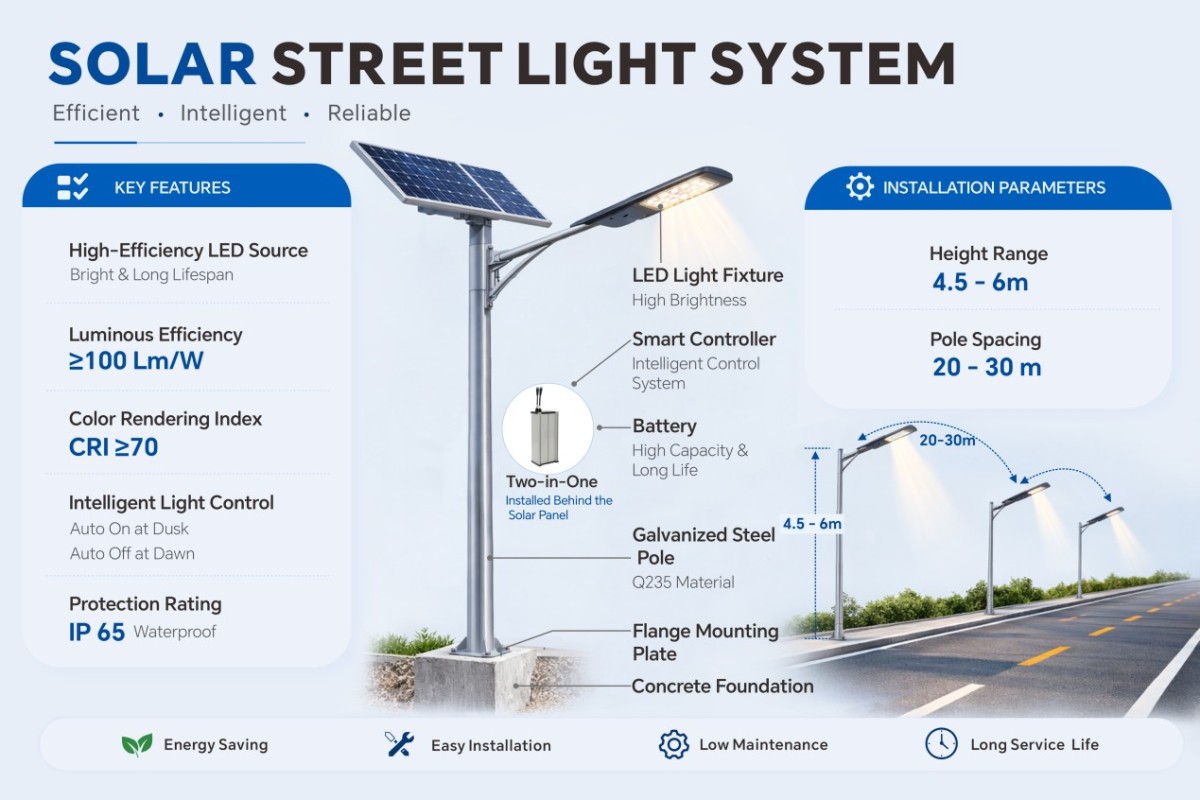
With the global push for clean energy and smart cities, smart solar lighting is becoming an essential component of sustainable urban infrastructure.
Cities benefit from:
· lower energy costs
· smarter operations
· greener urban development
If you are planning smart city projects, urban lighting upgrades, or solar street lighting deployments, our team can provide customized smart solar lighting solutions tailored to your project requirements.
◉ MESSAGE
Blog
- LED Street Luminaire Specifications That Matter for Roadway Projects
- What to Evaluate When Selecting a Smart Street Lamp Manufacturer
- How to Prepare a Compliant Solar Lighting Bid for Public Infrastructure Projects
- LED Street Lighting Solutions for Urban and Municipal Roads
- LED Street Light Installation Guide for Road Projects
- LED Street Light Lifespan: How Long Do LED Road Lights Last?
- LED Street Light IP Rating: What Should Buyers Choose?
Message