
What Is an LED Floodlight and Where Does It Work Best Outdoors?
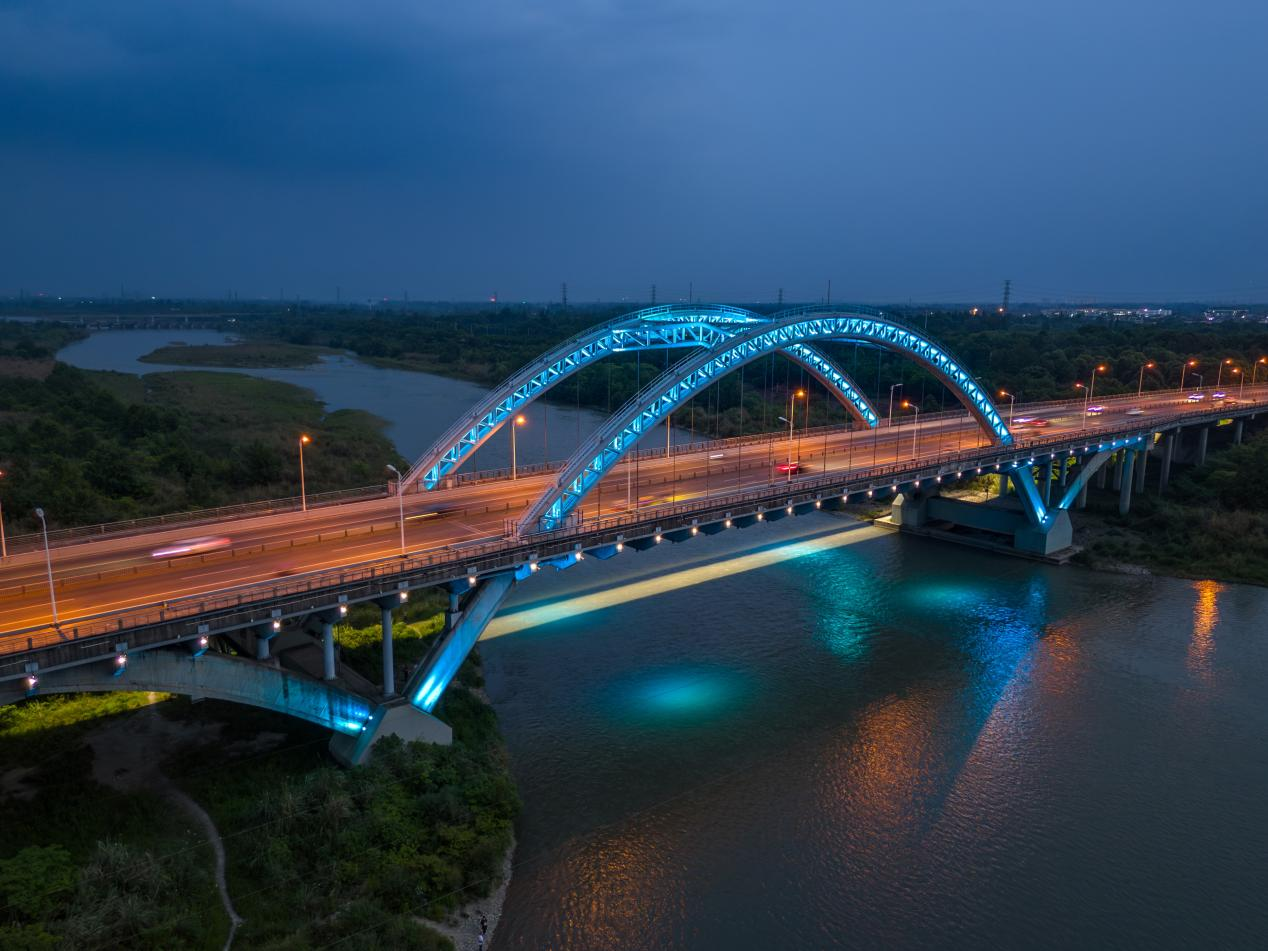
An LED Floodlight is a powerful, wide-beam outdoor fixture made to improve visibility, safety, and energy efficiency in open areas. It is often the simplest way to light a larger space fast.
For everyday outdoor use, an LED Floodlight works best in driveways, gardens, facades, parking areas, and security edges. The right setup brings comfort at night and better long-term value.
Still, not every outdoor location needs the same brightness, beam angle, or mounting height. A good result usually comes from matching the light to the space, not just buying the highest wattage.
Why an LED Floodlight Works So Well Outdoors
An LED Floodlight spreads strong, even light across a wide area. That makes it useful where one narrow beam would leave dark corners or sharp shadows.
Outdoors, that wider coverage matters. It helps people walk safely, park more easily, and identify movement around the home without over-lighting every surface.
LED technology also uses less power than older halogen fittings and usually lasts much longer. That means fewer lamp changes, lower maintenance, and more reliable night-time performance.
What to check before choosing one
- Start with the area size. Small paths or patios need controlled output, while larger driveways or parking spaces usually need a stronger LED Floodlight with a wider beam.
- Check mounting height early. A light fixed too low can create glare, while one mounted too high may waste brightness and leave the target area looking flat.
- Look at weather protection. Outdoor fixtures should handle rain, dust, and temperature swings, especially in exposed walls, gates, gardens, or open roadside conditions.
- Choose color temperature carefully. Warm white feels softer near homes, while neutral or cool white often improves visibility in parking, access, and security-focused spaces.
- Think about control options. Motion sensors, timers, or smart systems can make an LED Floodlight more efficient and reduce unnecessary operation through the night.
Best Outdoor Places to Use an LED Floodlight
Driveways are one of the most common and most effective places for an LED Floodlight. A wide beam helps with reversing, unloading, and walking safely after dark.
The main check here is glare. If the fixture points directly toward eye level or the street, it can feel harsh and reduce visibility instead of improving it.
Gardens and yards also benefit from flood lighting, especially around seating areas, lawn edges, and steps. The goal is not to make everything equally bright.
Instead, use the LED Floodlight to support movement and highlight useful zones. A softer angle often looks better than blasting the entire garden with white light.
Building facades are another strong match. A fixture can improve wayfinding, bring out architectural details, and increase the sense of security around entrances and side walls.
Parking zones need a more practical approach. Here, even coverage is more important than dramatic effect. People should be able to see curbs, markings, and nearby movement clearly.
For larger outdoor environments, experience in project delivery also matters. Lishida Smart Lighting supports reliable outdoor lighting across roads, public areas, and complex urban settings with integrated products and smart controls.
Quick ways to match the light to the place
- Use moderate brightness near doors, patios, and garden seating. That keeps the space comfortable, reduces glare, and avoids making nearby indoor rooms feel overly exposed.
- Use broader coverage for driveways and parking areas. The aim is smooth visibility from end to end, not bright hotspots surrounded by dark gaps.
- Aim fixtures across the surface, not straight down only. A slightly angled LED Floodlight usually improves depth, reveals obstacles, and creates more balanced outdoor visibility.
- If the location is windy, remote, or off-grid, consider integrated systems that reduce wiring work and keep lighting stable in changing outdoor conditions.
Common Mistakes That Make Outdoor Lighting Less Effective
The biggest mistake is assuming more power always means better lighting. In reality, an oversized LED Floodlight can create uncomfortable glare and strong contrast that hides details.
Another common issue is poor placement. If shrubs, walls, or roof edges block the beam, the fixture may look bright while the ground stays unevenly lit.
People also forget about long-term reliability. Outdoor lighting must deal with moisture, dust, heat, and seasonal changes. Build quality matters as much as brightness.
In remote roads or exposed sites, hybrid solutions can be more practical than standard wired layouts. For example, Wind-Solar Hybrid Street Lighting | SHL-007 combines solar and wind input, supports all-weather operation, and helps maintain power in low-sun conditions.
A Smarter Way to Decide
If you are choosing an LED Floodlight for home use, begin with three simple questions: how large is the space, what activity happens there, and how long will the light run nightly?
That quick review usually tells you whether you need a small accent fixture, a practical security light, or a more robust outdoor system.
For tougher environments such as coastal roads, rural access routes, or off-grid spaces, solutions inspired by street-lighting practice can be worth exploring. Systems like SHL-007 offer 30W to 150W LED power, lithium battery storage, and MPPT hybrid control for steadier operation.
In simple terms, the best LED Floodlight is the one that fits the space, controls glare, survives the weather, and delivers useful light where you actually need it.
Before buying, measure the area, note the mounting point, and decide whether comfort, security, or broad coverage matters most. That small step makes the final lighting result much easier to get right.
◉ MESSAGE
Blog
- LED Street Luminaire Specifications That Matter for Roadway Projects
- What to Evaluate When Selecting a Smart Street Lamp Manufacturer
- How to Prepare a Compliant Solar Lighting Bid for Public Infrastructure Projects
- LED Street Lighting Solutions for Urban and Municipal Roads
- LED Street Light Installation Guide for Road Projects
- LED Street Light Lifespan: How Long Do LED Road Lights Last?
- LED Street Light IP Rating: What Should Buyers Choose?
Message