
Why Low Solar Street Light Prices Can Create Higher Maintenance Risks
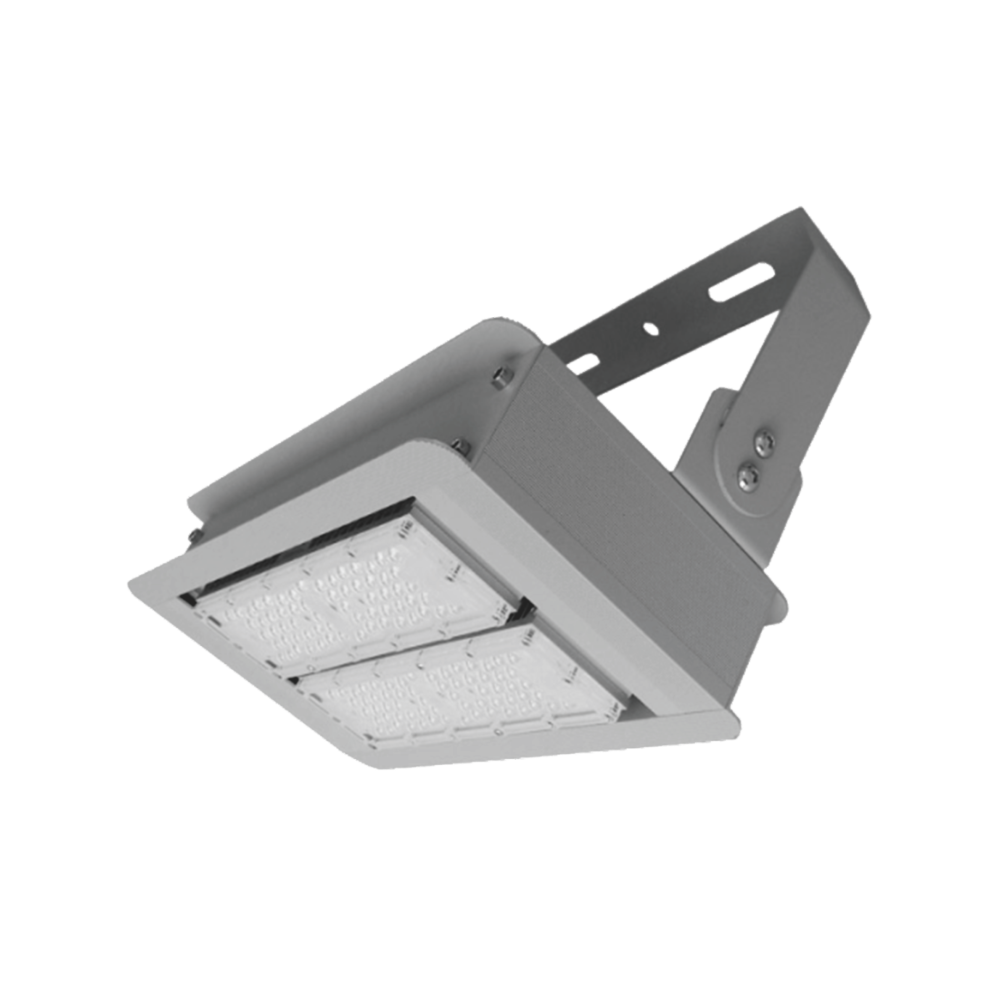
A low Solar Street Light Price can reduce the purchase-order total, but it can also move cost and risk into the operating phase. For a quality or safety review, the concern is not whether a light turns on during commissioning. The concern is whether it will deliver predictable illumination through changing weather, repeated charge cycles, moisture exposure, and years of unattended use.
When a solar street light fails, the result is more than a replacement task. Dark road sections, paths, car parks, or public spaces can reduce visibility, complicate site inspections, and create avoidable safety exposure. The lowest quoted unit price is therefore not a useful decision point on its own. It must be read alongside component quality, system sizing, inspection access, and the supplier's ability to support failures after installation.
Where a low price usually removes reliability
A solar street light is a small off-grid power system, not simply an LED fixture with a panel attached. Its performance depends on the solar panel collecting sufficient energy, the controller managing charging and discharge correctly, the battery retaining usable capacity, and the luminaire converting that stored energy into stable light. Weakness in one part affects the rest of the system.
Low-priced offers often reach their target by reducing capacity margins or using components with less consistent quality. This may not be visible in a catalogue photograph or a basic laboratory demonstration. It becomes visible after cloudy periods, seasonal changes in daylight, high ambient temperatures, or extended overnight operation.
The issue is not that every lower-cost product is unsuitable. A simple installation with modest operating hours, good solar exposure, and easy maintenance access may justify a more basic configuration. Risk increases when that same product is specified for traffic routes, industrial sites, remote areas, pedestrian corridors, or locations where a lighting outage creates an immediate safety concern.
Battery performance is often the hidden maintenance trigger
The battery is commonly the most consequential part of the lifecycle calculation. It must store enough energy during the day and release it at night without being repeatedly driven into damaging discharge conditions. A system that is sized too closely to average sunshine may work during bright weeks, then lose operating time during overcast periods.
This creates a misleading failure pattern. The luminaire may still illuminate at dusk, so a brief inspection appears satisfactory. Yet it may dim too early, switch off before morning, or recover only partially after several low-sun days. For site users, this is experienced as unreliable lighting rather than as a battery specification problem.
Review the operating profile before comparing quotations: required hours of light, dimming schedule, local shading, seasonal sunlight variation, and the consequences of a multi-night energy shortfall. A supplier should be able to explain how the proposed battery, panel, controller, and load work together for that profile. A quoted wattage alone does not establish reliable runtime.
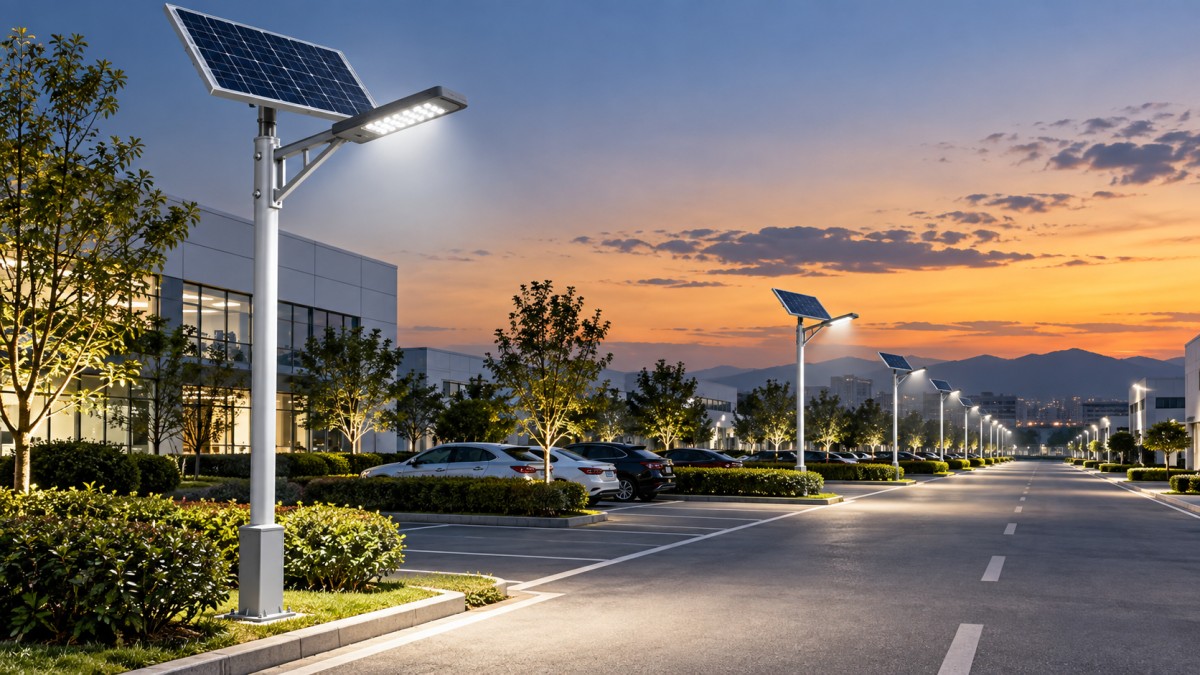
Water ingress turns a minor shortcut into a recurring fault
Outdoor lighting lives with rain, dust, heat cycles, UV exposure, and condensation. A housing can look robust while vulnerable points remain at cable entries, lens joints, battery compartments, connectors, and mounting interfaces. Poor sealing may first produce intermittent behavior: flickering, reduced output, controller resets, or charging faults. By the time a unit is fully dark, corrosion or internal damage may already require replacement rather than repair.
For quality control, protection claims should be examined as part of the complete installed assembly. Check how cables enter the housing, whether connectors are exposed, how the battery enclosure drains or vents where relevant, and whether installation instructions protect the stated ingress resistance. A product rating does not compensate for poor field assembly.
Site conditions matter here. Coastal air, high rainfall, dust-heavy roads, landscaped areas with irrigation spray, and locations exposed to frequent washing all place different demands on sealing and corrosion resistance. The same low Solar Street Light Price can represent very different risk depending on where the unit will be installed.
Do not approve a quotation from a component list alone
Many procurement comparisons focus on panel size, LED wattage, pole height, and a headline price. These are relevant, but they do not show whether the delivered system will remain safe and maintainable. A stronger review asks for information that connects the product to the actual site.
- A clear lighting layout showing pole spacing, mounting height, target area, and expected distribution of light.
- The battery chemistry, usable capacity, charge-control approach, and intended operating schedule.
- The solar panel configuration, orientation requirements, and any restrictions caused by shade or nearby structures.
- Details of housing protection, cable routing, connectors, fasteners, and mounting brackets.
- A defined fault-handling process, including replaceable parts and response arrangements for failed units.
- Installation, inspection, and cleaning requirements that can be incorporated into the site's maintenance plan.
This review should occur before a large purchase order is released. A sample unit is useful, but it should be assessed for construction quality and serviceability, not only light output on the first evening. Check access to the battery and control compartment, identify components that can be replaced, and confirm that a technician can safely inspect the unit at height.
The cheapest offer can be expensive to maintain
Maintenance cost is shaped by more than spare-part prices. Each fault may require access equipment, traffic management, work permits, technician time, inspection records, and disruption to site operations. In remote or high-risk locations, dispatching a team for one failed luminaire can cost far more than the original saving on that fixture.
Quality teams should therefore compare offers using a practical lifecycle view: purchase cost, installation effort, expected inspection frequency, probable replacement work, availability of compatible parts, and the operational impact of outages. This does not require a precise forecast for every failure. It requires identifying where a lower initial price has removed the margin that keeps failures manageable.
Smart controls can improve this process when they provide useful status information rather than adding unnecessary complexity. Fault alerts, battery condition visibility, and scheduled dimming can help maintenance teams prioritize real issues. However, the control system must be compatible with the site's maintenance capability. A sophisticated platform without accessible commissioning, clear documentation, or dependable support can create another failure point.
Separate road lighting from decorative lighting requirements
Projects often combine functional street lighting with facade, landscape, or entrance lighting. These systems should not be evaluated through one price comparison because their duty cycles, visual objectives, power arrangements, and safety implications differ. Road and pathway luminaires require predictable visibility and autonomy. Architectural fixtures may need precise beam control, color consistency, and integration with a centralized lighting scheme.
For example, an LED Wall Washer for building facades and landscapes is designed for architectural illumination rather than replacing a solar street light. Its IP66 protection, multiple beam-angle options, and RGB/DMX control capability can be relevant where a project also needs controlled facade or landscape effects. Keeping that specification separate prevents decorative lighting requirements from weakening the review of safety-critical roadway illumination.
A practical approval sequence
Start with the site risk, not the supplier's price sheet. Identify which areas cannot tolerate overnight darkness, which locations are difficult to access, and where shadows, weather, dust, or vandalism are likely to affect performance. Then define the lighting schedule and required operating reliability for each area.
Next, compare proposed systems as complete energy and lighting packages. Ask whether the solar input, battery reserve, controller settings, LED load, enclosure, and mounting method are appropriate together. Finally, make maintenance support part of the technical acceptance criteria. A supplier that can provide integrated lighting products, smart controls, and project-based engineering support is often better placed to address the interfaces that cause long-term problems on large installations.
A competitive Solar Street Light Price is valuable when it comes from efficient manufacturing, appropriate specification, and a maintainable system design. It becomes a risk when the quotation hides reduced energy reserve, weak protection, unsupported controls, or components that cannot be serviced effectively. For safety-sensitive sites, the better purchasing decision is the one that keeps the area illuminated and the maintenance workload under control after the installation team has left.
◉ MESSAGE

Blog
- How to avoid vendor lock-in in a government smart lighting project
- Sizing the communications power budget for smart city solar street lights
- How energy-saving mode affects solar bollard light operating time
- Comparing lead times from LED street light luminaire suppliers in Europe
- What spare parts support should a smart street light exporter offer?
- Where to place a solar garden light in a partially shaded garden
- Which battery alerts matter in remotely monitored solar street lighting?
Message