
What is an LED projector used for?
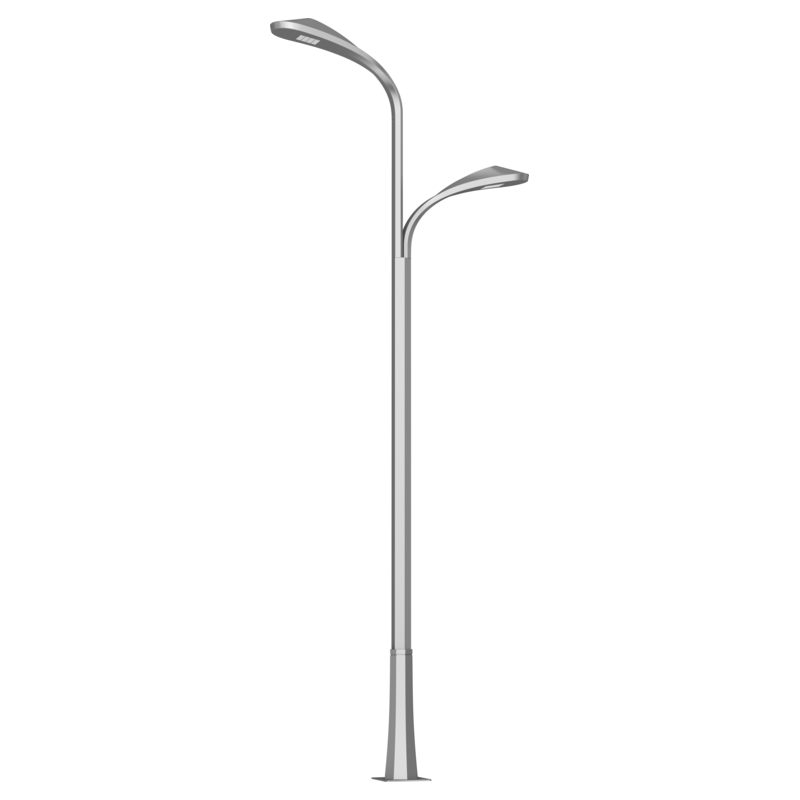
An LED projector is used to deliver powerful, focused illumination for outdoor spaces where visibility, safety, and durability matter most. In large-scale environments such as roads, public areas, building facades, and urban projects, LED projectors help improve lighting performance while reducing energy use and maintenance demands. For contractors and project owners, understanding what an LED projector is used for is essential when choosing reliable outdoor lighting solutions that support long-term project success.
In practical terms, an LED projector is not just for making an area brighter. It is used to direct light exactly where a project needs it, whether that means improving road visibility, highlighting architectural features, securing open spaces, or supporting operations in demanding outdoor environments.
For project owners and contractors, the real question is usually not “what is an LED projector” but “where does it create value, and how do we choose the right one for long-term use?” The answer depends on application, mounting conditions, beam control, energy performance, and system reliability.
What Is an LED Projector Typically Used for in Outdoor Projects?
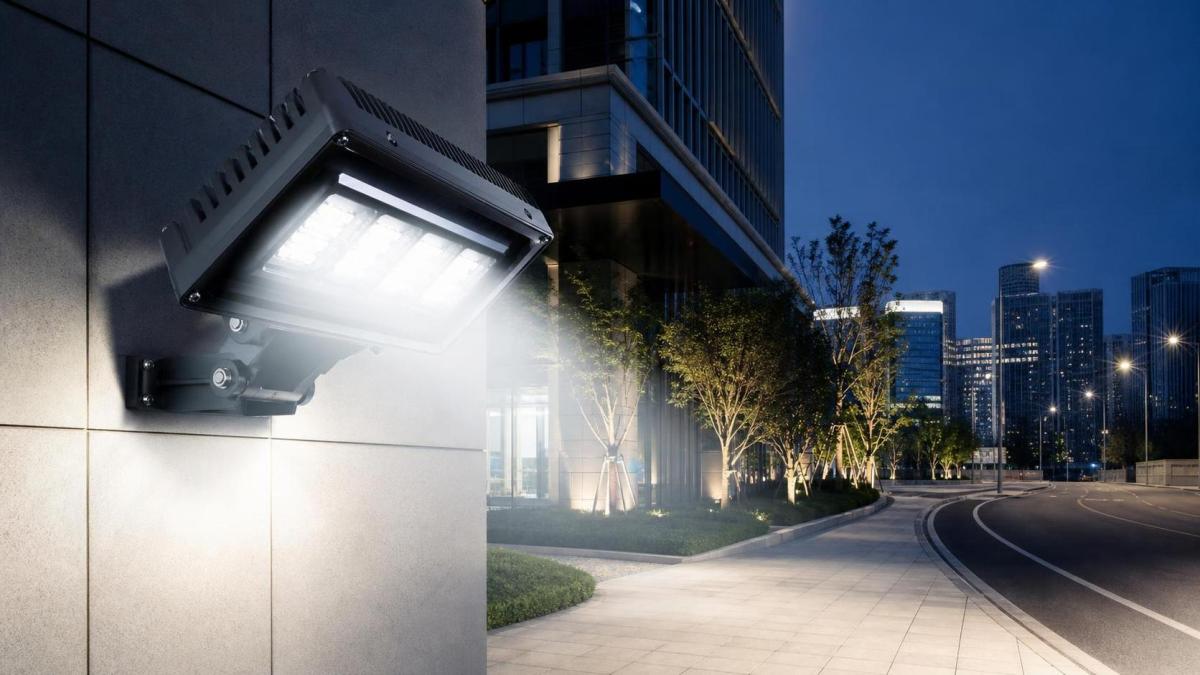
An LED projector is commonly used for broad-area or targeted outdoor lighting. Unlike basic general-purpose fixtures, it is designed to provide concentrated, high-output illumination across specific zones, surfaces, or pathways.
In road and infrastructure projects, LED projectors are often used to brighten intersections, bridges, underpasses, toll areas, and transport access points. These locations demand clear visibility, stable performance, and dependable operation under changing weather conditions.
In public spaces, they are used in plazas, parks, civic areas, pedestrian routes, and recreational zones. The goal is not only brightness, but also safer movement, better spatial recognition, and a more usable environment after dark.
For building facades and urban landscapes, LED projectors help emphasize structures, landmarks, monuments, and streetscape elements. In these cases, the fixture must balance visual effect with durability, energy efficiency, and controllable light distribution.
They are also widely used in commercial yards, logistics zones, industrial perimeters, parking facilities, and construction-support areas. These sites often need strong, reliable light output for operations, surveillance, and risk reduction.
Why Do Contractors and Project Owners Choose LED Projectors?
The biggest reason is performance efficiency. LED projectors can produce high-quality light with lower power consumption than many traditional outdoor lighting options. Over time, that helps reduce operational costs, especially in large-scale installations.
Another major advantage is long service life. In project environments where fixtures may be mounted at height or across wide areas, maintenance is expensive and disruptive. A longer-lasting LED solution helps reduce replacement cycles and labor demands.
Durability also matters. Outdoor projects face wind, dust, rain, heat, and cold. A well-designed LED projector with strong ingress protection and thermal management is better suited to these conditions than lower-grade alternatives.
Precise beam control is another reason these fixtures are valued. Instead of wasting light beyond the target area, LED projectors can be selected to direct illumination where it improves visibility most, which supports both efficiency and compliance goals.
For project stakeholders, this means LED projectors are often chosen because they combine lighting quality, lower lifetime cost, and dependable outdoor performance in a single solution.
Which Applications Benefit Most from LED Projector Lighting?
Not every outdoor project uses LED projectors in the same way. Their value becomes clearest in locations where broad coverage, focused intensity, or architectural emphasis is required beyond what standard street lighting alone can provide.
Road-related environments benefit when extra illumination is needed for conflict points or complex movement patterns. This includes ramps, crossings, roundabouts, bus terminals, and areas where visibility directly affects safety and traffic efficiency.
Municipal and public-use environments also benefit because lighting affects how people use a space. A well-lit square, walkway, or activity zone is safer, easier to navigate, and more attractive for evening use.
Architectural and landscape projects benefit because LED projectors can define structures with controlled lighting angles and color temperatures. This is especially useful for civic buildings, bridges, facades, sculptures, and feature walls.
Industrial and logistics sites gain practical value from LED projector use because loading areas, storage yards, entrances, and perimeter zones often need strong illumination over wide or irregular spaces.
What Should Buyers Evaluate Before Selecting an LED Projector?
Light output is the starting point, but it should never be the only factor. Buyers need to assess beam angle, mounting height, target coverage, and whether the fixture is intended for security, circulation, operations, or visual enhancement.
Color temperature is also important. Warmer light may suit public or architectural spaces, while neutral white is often preferred where visibility and recognition are priorities. The right choice depends on the purpose of the project environment.
Ingress protection and operating temperature range are essential for outdoor reliability. Fixtures used in demanding climates should be capable of handling moisture, dust, heat, and cold without early failure or unstable performance.
Energy efficiency should be judged by luminous efficacy, not just wattage. A higher-efficiency fixture can deliver more useful light with less power, which matters when operating costs are calculated across many units and many years.
System compatibility is increasingly relevant as outdoor projects become smarter. In some cases, project teams benefit from integrating projector lighting with remote monitoring, dimming, and centralized control platforms to improve responsiveness and maintenance planning.
How Does Smart Outdoor Lighting Change the Way These Systems Are Used?
In modern urban projects, lighting is no longer only about illumination. It is also part of infrastructure management. Smart controls allow operators to adjust output, monitor status, and respond faster to failures or changing conditions.
For contractors and city-facing stakeholders, this adds practical value. Remote control reduces manual inspection pressure, while real-time alerts help maintenance teams identify issues before they affect broader system performance.
That is why some projects look beyond standalone luminaires and consider connected solutions such as Smart Street Lighting | SSL-CH. In road and public-space applications, smart poles and connected lighting systems can improve efficiency, simplify management, and support long-term urban operations.
For example, a solution with IP67 protection, high luminous efficiency, and communication options such as 4G, 5G, NB-IoT, PLC, or LoRa may be more suitable for smart city environments than a basic unmanaged fixture.
This does not mean every LED projector must be part of a smart system. It means buyers should think about future compatibility, especially in public projects where digital control, maintenance visibility, and lifecycle efficiency are growing priorities.
What Problems Can the Wrong LED Projector Cause?
A poorly selected fixture can create uneven lighting, glare, wasted energy, and premature maintenance issues. In road, civic, or urban environments, these problems affect both user experience and project operating cost.
If the beam angle is wrong, the projector may miss the target zone or spill light into unwanted areas. That can reduce useful visibility and create compliance concerns, especially in public-facing or traffic-related locations.
If the fixture lacks durability, weather exposure may shorten service life. Water ingress, poor heat dissipation, and unstable components can lead to performance decline or early failure, creating unnecessary replacement costs.
Another common issue is focusing only on upfront price. A low-cost fixture may appear attractive during procurement, but poor efficiency and higher maintenance needs often make it more expensive over the full project lifecycle.
For this reason, experienced buyers usually compare total value rather than unit price alone. They assess performance consistency, protection level, service life, control options, and supplier support before making a final decision.
How Should Project Teams Think About Long-Term Value?
The best way to evaluate an LED projector is by looking at how it performs across the full life of the project. That includes energy use, maintenance frequency, lighting quality, environmental resilience, and system integration potential.
In large outdoor developments, even small differences in fixture efficiency or reliability can create major cost differences over time. This is especially true where access is difficult or lighting downtime creates operational or public-safety concerns.
Project teams should also consider whether their lighting strategy may evolve. As cities and infrastructure systems become more connected, compatibility with smarter platforms and controls can protect future investment value.
Solutions built for long service life, strong environmental protection, and smart management support are often better aligned with the needs of governments, contractors, and urban integrators delivering complex outdoor projects.
That broader project perspective is one reason integrated systems like Smart Street Lighting | SSL-CH attract attention in smart city and public infrastructure planning.
Conclusion
An LED projector is used to provide powerful, targeted outdoor lighting where visibility, safety, efficiency, and durability are critical. Its most common uses include roads, public spaces, facades, industrial zones, and other large-scale exterior environments.
For contractors and project owners, the real value of an LED projector lies in choosing the right solution for the application. Beam control, efficiency, environmental protection, service life, and system compatibility all matter more than simple brightness alone.
When selected carefully, LED projectors help improve lighting performance, reduce maintenance pressure, and support more reliable project delivery. In today’s outdoor lighting market, that makes them a practical and strategic choice for long-term infrastructure success.
◉ MESSAGE
Blog
- LED Street Luminaire Specifications That Matter for Roadway Projects
- What to Evaluate When Selecting a Smart Street Lamp Manufacturer
- How to Prepare a Compliant Solar Lighting Bid for Public Infrastructure Projects
- LED Street Lighting Solutions for Urban and Municipal Roads
- LED Street Light Installation Guide for Road Projects
- LED Street Light Lifespan: How Long Do LED Road Lights Last?
- LED Street Light IP Rating: What Should Buyers Choose?
Message