
Which is better, an LCD or LED projector?
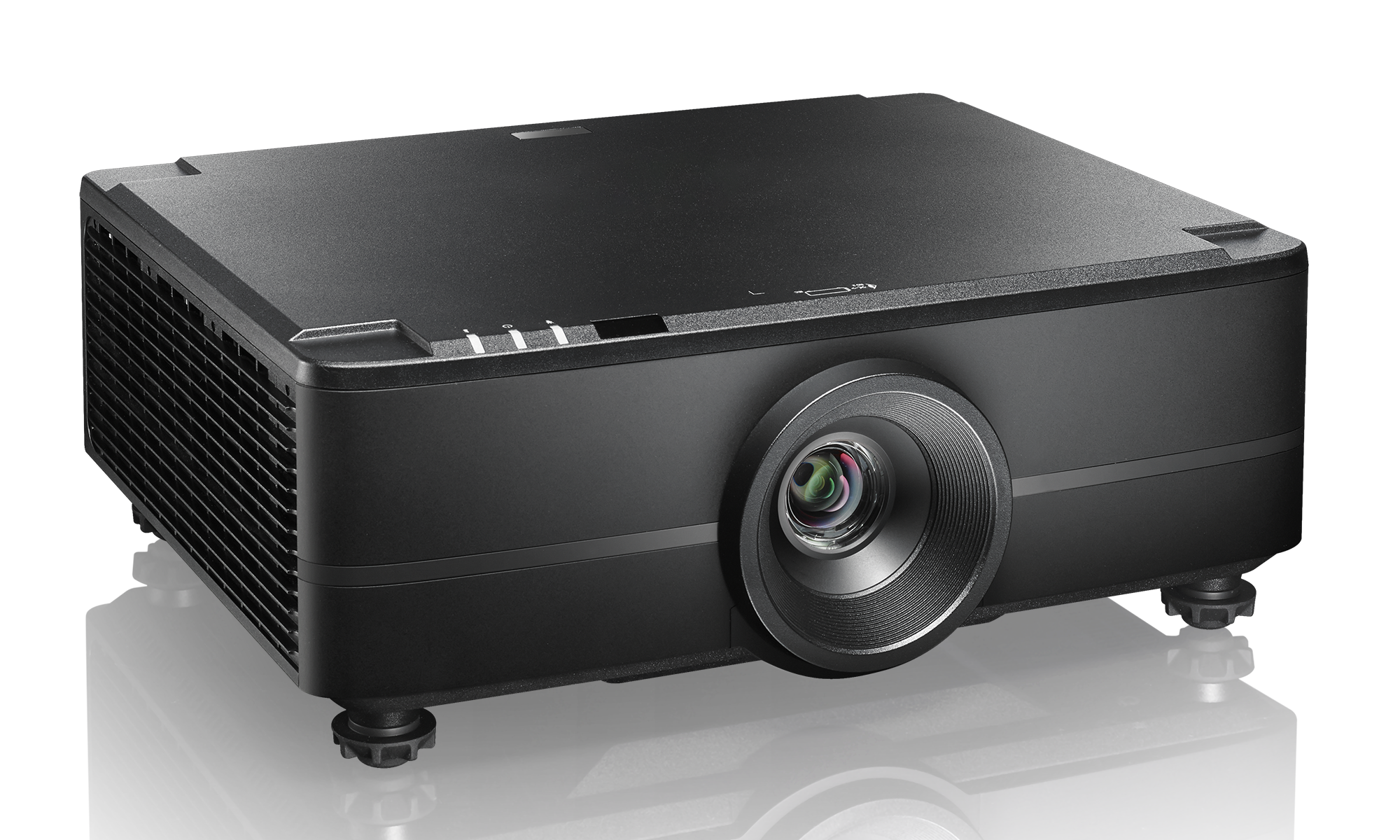
Which is better, an LCD or LED projector?
Choosing between an LCD and LED projector depends on brightness, image quality, energy efficiency, and long-term use. For buyers comparing display technologies in commercial or project environments, understanding the real differences can help avoid costly mistakes. In this guide, we explore which is better, an LCD or LED projector, and explain the key factors that matter most for practical decision-making.
The short answer is that neither is automatically better in every situation. LCD projectors are often chosen when you need higher brightness for larger images or rooms with ambient light. LED projectors are usually favored for lower maintenance, longer light-source life, and better energy efficiency. The real decision starts when you ask a more practical question: what kind of environment will this projector work in, and what happens if performance drops after installation?
That question matters even more in project-based environments. Contractors, system integrators, and project owners do not buy equipment in isolation. They buy a result: clear visibility, stable operation, manageable maintenance, and predictable lifecycle cost. Whether the application is a presentation room, a public information point, or a mixed-use urban project, the technology choice should be tied to operating conditions rather than marketing claims.
What LCD projectors tend to do well
LCD projectors use liquid crystal panels to create the image. In practice, they are often selected for good color brightness and sharp text reproduction. For meeting rooms, classrooms, and many commercial spaces, that can be a real advantage. If your content includes spreadsheets, maps, technical diagrams, or presentation decks with small text, an LCD model may deliver a cleaner image than some compact LED units in the same budget range.
Another strength is brightness output. Many buyers comparing projector types are really comparing application fit. In environments where the image must remain visible during daytime use or under partial lighting, brightness usually matters more than theoretical efficiency. This is why LCD remains common in professional installations.
The trade-off is maintenance. Traditional LCD projectors may rely on lamps or optical systems that require periodic replacement or cleaning. Over time, that affects operating cost and service planning. In multi-site projects, the maintenance side can become more important than the purchase price.
Where LED projectors make more sense
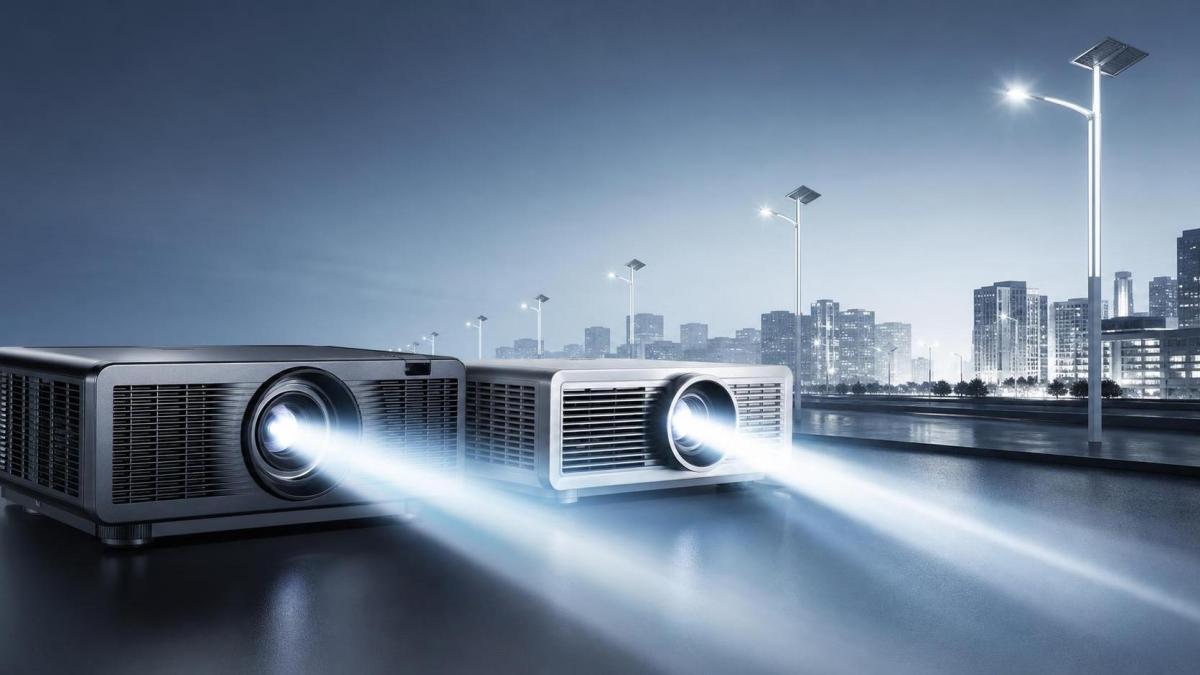
LED projectors use LEDs as the light source rather than conventional lamps. That usually means longer service life, lower heat generation, and less frequent replacement. For buyers who care about energy use and reduced maintenance visits, LED can be the better option, especially in smaller or medium-sized spaces where extreme brightness is not the main requirement.
They also start quickly and can be easier to manage in installations where downtime is a problem. If a site has limited maintenance access, the appeal of a longer-lasting light source is obvious. This is similar to the logic many project owners now apply in outdoor lighting: they are no longer choosing only by initial purchase cost, but by reliability across years of operation.
Still, LED projectors are not automatically the right answer. Some models, especially compact ones, may not deliver enough brightness for larger venues or bright environments. If the projector will be used in a demanding public or commercial setting, the specification sheet needs to be checked carefully instead of assuming “LED” means better performance overall.
The mistake buyers often make
A common mistake is comparing technologies without comparing the full operating context. Brightness, contrast, color consistency, heat management, maintenance intervals, and installation conditions all affect the result. In project environments, this is the difference between buying a device and delivering a workable system.
That mindset is familiar in outdoor lighting as well. A road, plaza, or smart city project is rarely about a single fixture. It involves product selection, control compatibility, environmental protection, long-term reliability, and service coordination. Lishida Smart Lighting works in that kind of reality, supporting contractors and project owners across roads, public spaces, and complex urban environments with integrated lighting products, smart control systems, and project-based solutions. The technical decision is only useful when it survives real-world execution.
Project thinking: display technology and outdoor lighting are judged the same way
Even though projectors and outdoor lighting are different categories, buyers often evaluate them through the same lens: performance over time. A projector that looks good in a showroom but struggles with heat, dust, or maintenance schedules can create the same kind of problem as a streetlight chosen without regard to ingress protection, control protocol, or local climate.
For example, in smart urban infrastructure, the conversation has already moved beyond basic illumination. A solution such as Smart Street Lighting | SSL-CC is designed around operational realities: stainless steel construction, wind resistance of at least 150km/h, IP67 protection, operation from -40℃ to +70℃, and connectivity options including 4G, 5G, NB-IoT, PLC, and LoRa. Those details matter because they affect uptime, maintenance planning, and system integration. Buyers comparing projector types should use the same discipline: not just “which technology sounds newer,” but “which one is more suitable for the site, service model, and expected lifecycle.”
A practical way to decide
If the projector will be used in a bright commercial environment, for larger images, or for content where text clarity matters, LCD may be the stronger candidate. If the use case is moderate in size, maintenance access is limited, and lower energy use is important, LED often becomes more attractive.
Before deciding, it helps to confirm a few things:
- How much ambient light will be present during operation?
- How large does the projected image need to be?
- Will maintenance teams have easy site access?
- Is the priority image brightness, lower operating cost, or longer service intervals?
- Does the system need to fit into a wider control or infrastructure plan?
These are not minor details. They are usually what determine whether a technology choice still looks good after one year of operation.
So, which is better?
If you need a simple verdict, LCD is often better for brightness-driven, presentation-heavy applications, while LED is often better for energy-conscious, lower-maintenance use. But that answer is only useful when matched to the actual project conditions.
In professional procurement, the better technology is the one that keeps performing after installation, fits the maintenance plan, and integrates cleanly with the wider project. That is true whether you are selecting a projector for a commercial site or evaluating outdoor systems such as smart poles, connected street lighting, and control platforms. The specification list matters, but the real decision usually sits at the intersection of environment, serviceability, and long-term reliability.
If you are comparing options for a project environment, the next step is not to ask for the most advanced label. It is to verify operating conditions, service expectations, and integration requirements before locking in the technology.
◉ MESSAGE
Blog
- LED Street Luminaire Specifications That Matter for Roadway Projects
- What to Evaluate When Selecting a Smart Street Lamp Manufacturer
- How to Prepare a Compliant Solar Lighting Bid for Public Infrastructure Projects
- LED Street Lighting Solutions for Urban and Municipal Roads
- LED Street Light Installation Guide for Road Projects
- LED Street Light Lifespan: How Long Do LED Road Lights Last?
- LED Street Light IP Rating: What Should Buyers Choose?
Message