
Modern Street Lighting MSL-GY for Urban Roads, Parks, and Campuses: Application Guide
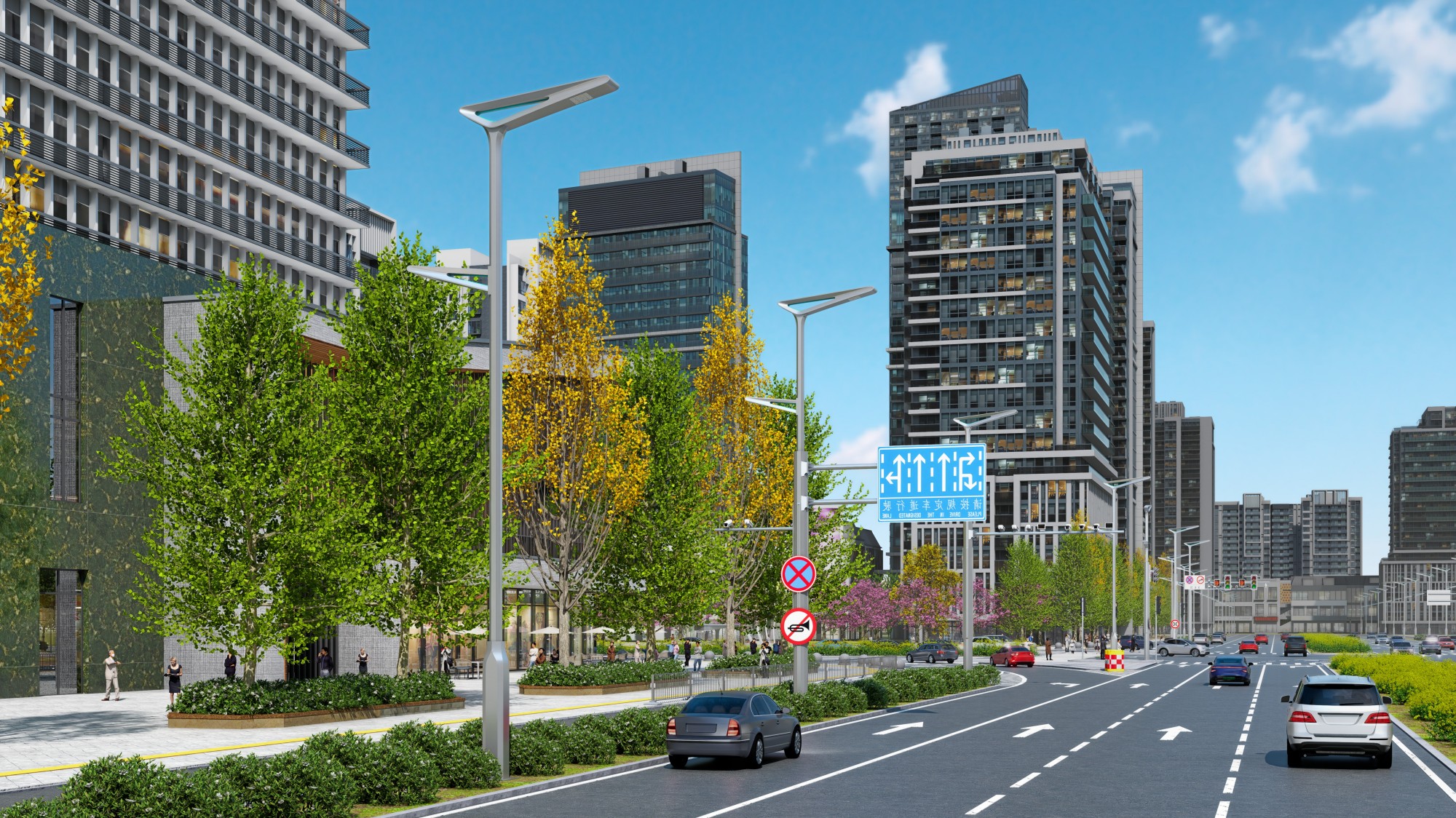
Modern Street Lighting MSL-GY for Urban Roads, Parks, and Campuses: Application Guide
For reliable outdoor lighting, Modern Street Lighting MSL-GY fits urban roads, parks, and campuses with a practical, project-focused approach.
This guide explains how to match lighting design to real site needs, reduce delivery risk, and improve long-term operation.
It also shows why integrated products, smart controls, and experienced project support matter in large-scale outdoor lighting work.
Why Modern Street Lighting MSL-GY Fits Complex Outdoor Projects
Modern Street Lighting MSL-GY is not only about brightness. It is about coverage, safety, maintenance control, and system reliability.
On urban roads, lighting must support vehicle flow, pedestrian visibility, and stable performance in changing weather.
In parks, the priority often shifts toward visual comfort, low glare, and a balanced night environment.
On campuses, decision-makers usually need safety, easy control, and a layout that works across roads, paths, and shared spaces.
- Support different traffic and pedestrian patterns
- Handle varied pole spacing and installation conditions
- Lower maintenance pressure over time
- Connect with smart management systems when needed
How to Evaluate Application Needs Before Selection
A strong Modern Street Lighting MSL-GY plan starts with site analysis, not with product comparison alone.
First, review the road class, path width, landscape layout, and expected nighttime activity.
Next, define performance targets. These usually include illumination uniformity, energy use, maintenance cycles, and control requirements.
Then check local conditions such as wind load, temperature range, and communication infrastructure for smart lighting deployment.
Key Questions During Early Planning
- What areas need functional lighting and what areas need ambient lighting?
- Will the project need remote dimming, alerts, or fault detection?
- How difficult will future maintenance access be?
- Does the project require standardization across multiple zones?
These answers make Modern Street Lighting MSL-GY selection faster and reduce expensive revisions during construction.
Application Priorities by Scenario
Urban Roads
Urban roads need stable output, dependable optics, and clear integration with traffic-oriented infrastructure.
For this setting, Modern Street Lighting MSL-GY should support efficient energy use without sacrificing visibility or consistency.
Parks
Parks usually need softer visual balance. Light should guide movement while preserving comfort and reducing harsh contrast.
In practical terms, that means choosing layouts that improve safety but still respect landscape character and nighttime atmosphere.
Campuses
Campus environments combine roads, open spaces, walkways, and parking zones in one project boundary.
This makes flexible zoning important. Lighting should support security teams, facility managers, and users moving at different times.
Where Smart Integration Improves Long-Term Results
From recent project trends, the clearer signal is that lighting value now depends on control as much as hardware.
That is where integrated solutions become useful. They help reduce manual inspection and improve response speed.
For example, Smart Street Lighting | SSL-CC can complement project planning where remote control and real-time alerts are required.
Its configuration supports 4G, 5G, and NB-IoT connectivity, with local communication through PLC or LoRa.
For demanding outdoor conditions, it also offers IP67 protection, operation from -40℃ to +70℃, and wind resistance of at least 150km/H.
In real projects, these details matter because they support reliability, simpler monitoring, and better lifecycle control.
Common Delivery Risks and How to Avoid Them
Many outdoor lighting delays come from mismatched specifications, unclear interfaces, or unrealistic maintenance assumptions.
A better approach is to address risks early and align product, controls, installation, and support in one workflow.
- Confirm pole, luminaire, and control compatibility before procurement
- Review communication protocols for platform integration
- Check operating conditions against local climate exposure
- Plan spare parts and maintenance access during design stage
This is also why experienced project support matters. It helps reduce handoff gaps between design, supply, and execution teams.
A Practical Path to Better Modern Street Lighting MSL-GY Outcomes
The best Modern Street Lighting MSL-GY strategy is usually simple. Start with application reality, then build around lifecycle performance.
Reliable outdoor lighting depends on more than fixture selection. It depends on coordination, durability, and manageable system operation.
Lishida Smart Lighting supports large-scale delivery with integrated lighting products, smart control systems, and project-based solution experience.
With proven work across roads, public spaces, and complex urban environments, the focus stays on dependable execution and consistent results.
If your next project needs efficient hardware, smart management, and practical engineering support, Modern Street Lighting MSL-HC is worth evaluating early.
That early alignment often saves time later, improves quality in the field, and creates a more reliable lighting network over the long term.
◉ MESSAGE
Blog
- LED Street Luminaire Specifications That Matter for Roadway Projects
- What to Evaluate When Selecting a Smart Street Lamp Manufacturer
- How to Prepare a Compliant Solar Lighting Bid for Public Infrastructure Projects
- LED Street Lighting Solutions for Urban and Municipal Roads
- LED Street Light Installation Guide for Road Projects
- LED Street Light Lifespan: How Long Do LED Road Lights Last?
- LED Street Light IP Rating: What Should Buyers Choose?
Message