
What Is Modern Street Lighting MSL-GH and Where Is It Best Used?
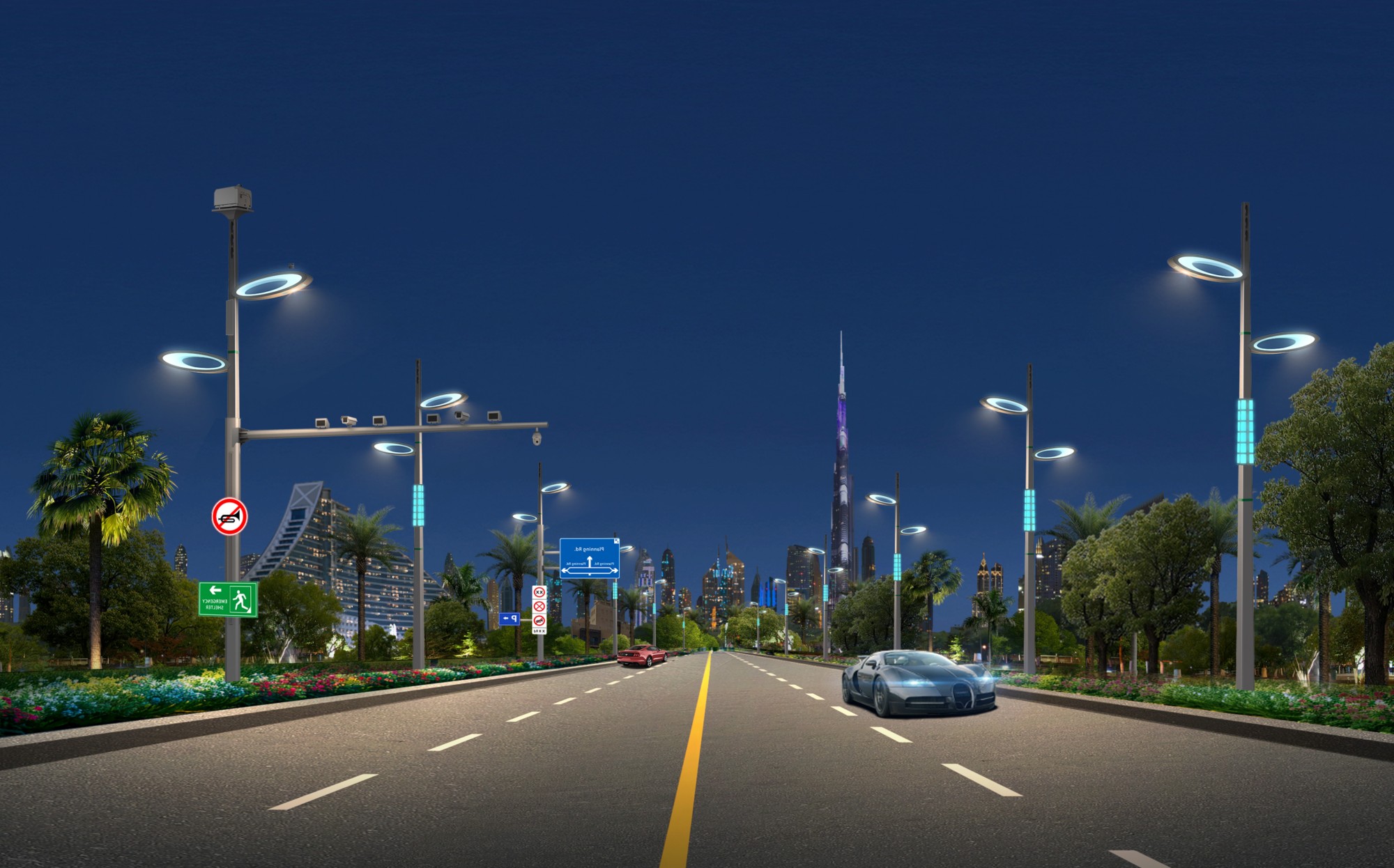
Modern Street Lighting | MSL-GH refers to a new generation of outdoor lighting built for safer roads, lower energy use, and better control across large public projects.
It matters because street lighting is no longer judged only by brightness. Long-term reliability, smart management, and easier project delivery now shape real investment value.
In large urban and transport projects, the challenge is often practical. The system must perform well, integrate smoothly, and remain stable under changing site conditions.
That is why Modern Street Lighting MSL-GH is gaining attention in outdoor lighting. It connects lighting performance with operational efficiency and better lifecycle planning.
What MSL-GH means in current outdoor lighting
At its core, Modern Street Lighting |MSL-GH is an upgraded street lighting approach for roads, public spaces, and complex urban environments.
The emphasis is not only on illumination output. It also includes optical control, energy efficiency, durability, maintainability, and compatibility with smart control systems.
In practice, this means the lighting solution should support consistent visibility, reduce unnecessary power consumption, and help operators respond faster to failures or changing usage patterns.
For large projects, that broader definition is important. A lighting product may look suitable on paper, yet still create issues in installation, integration, or long-term maintenance.
Why the industry is paying closer attention
Public lighting networks are under pressure to do more with less. Cities want lower operating costs, better night safety, and clearer maintenance data.
At the same time, project teams need solutions that can scale without creating technical gaps between hardware, controls, and site execution.
This is where Modern Street Lighting MSL-HC becomes relevant. It is often evaluated as part of a wider system rather than as a standalone luminaire choice.
Experience from large-scale delivery also changes the discussion. Lishida Smart Lighting, for example, supports road and public-space projects with lighting products, smart controls, and project-based integration support.
That project perspective matters because selection decisions affect not just lighting quality, but scheduling, maintenance planning, and system reliability over many years.
Where Modern Street Lighting | MSL-GH performs best
MSL-GH is typically most valuable in locations where lighting must remain dependable, efficient, and easy to manage across a broad area.
- Urban roads that need balanced visibility, energy control, and steady nighttime performance.
- Main transport corridors where maintenance access is limited and reliability has direct safety implications.
- Public squares, parks, and civic zones that require both visual comfort and coordinated control.
- Redevelopment districts where smart city infrastructure is being introduced in phases.
- Industrial or logistics surroundings where harsh outdoor conditions demand strong protection and stable operation.
In these settings, the best result usually comes from matching lighting distribution, pole configuration, communication method, and maintenance strategy to the site itself.
What makes it useful in real projects
The value of Modern Street Lighting MSL-GH is easier to see when project teams move beyond initial purchase price.
A well-planned system can reduce energy use, simplify fault detection, and support predictable maintenance cycles. Those gains often matter more than small upfront savings.
Some projects also benefit from related smart pole solutions. For example, Smart Street Lighting | SSL-CC combines outdoor lighting with remote control and real-time alerts.
Its configuration supports connectivity through 4G, 5G, or NB-IoT, with PLC or LoRa for local communication, which is useful when control flexibility is part of the project brief.
Details such as IP67 protection, operation from -40℃ to +70℃, and wind resistance of at least 150km/H show how outdoor lighting value is tied to environmental endurance.
Key evaluation dimensions
How to judge whether MSL-GH fits a project
The right question is not simply whether Modern Street Lighting | MSL-GH is advanced. The better question is whether its capabilities match the project environment and management model.
- Check road class, traffic pattern, pedestrian activity, and surrounding land use.
- Review local climate, wind exposure, and maintenance access limitations.
- Confirm whether the site needs only lighting, or also smart control and data visibility.
- Compare service life, protection level, and communication options before final selection.
- Look at integration capability, especially when the project includes phased smart city upgrades.
This is often where practical experience becomes more useful than isolated specifications. Large projects succeed when hardware choice, system design, and execution planning are aligned early.
A practical next step
Modern Street Lighting MSL-GH is best understood as a project solution category, not just a product label. Its strongest use cases are places where reliability, efficiency, and control must work together.
For any upcoming outdoor lighting plan, it helps to map the site conditions first, then compare optical needs, pole design, smart control requirements, and long-term maintenance expectations.
If smart pole functionality is also under review, comparing MSL-HC concepts with options such as Smart Street Lighting | MSL-GH can clarify what level of integration the project actually needs.
That approach usually leads to better decisions than focusing on brightness or fixture cost alone, especially in large-scale public lighting environments.
◉ MESSAGE
Blog
- LED Street Luminaire Specifications That Matter for Roadway Projects
- What to Evaluate When Selecting a Smart Street Lamp Manufacturer
- How to Prepare a Compliant Solar Lighting Bid for Public Infrastructure Projects
- LED Street Lighting Solutions for Urban and Municipal Roads
- LED Street Light Installation Guide for Road Projects
- LED Street Light Lifespan: How Long Do LED Road Lights Last?
- LED Street Light IP Rating: What Should Buyers Choose?
Message