
Landscape Lighting Manufacturer Checklist: MOQ, Lead Time, and Customization
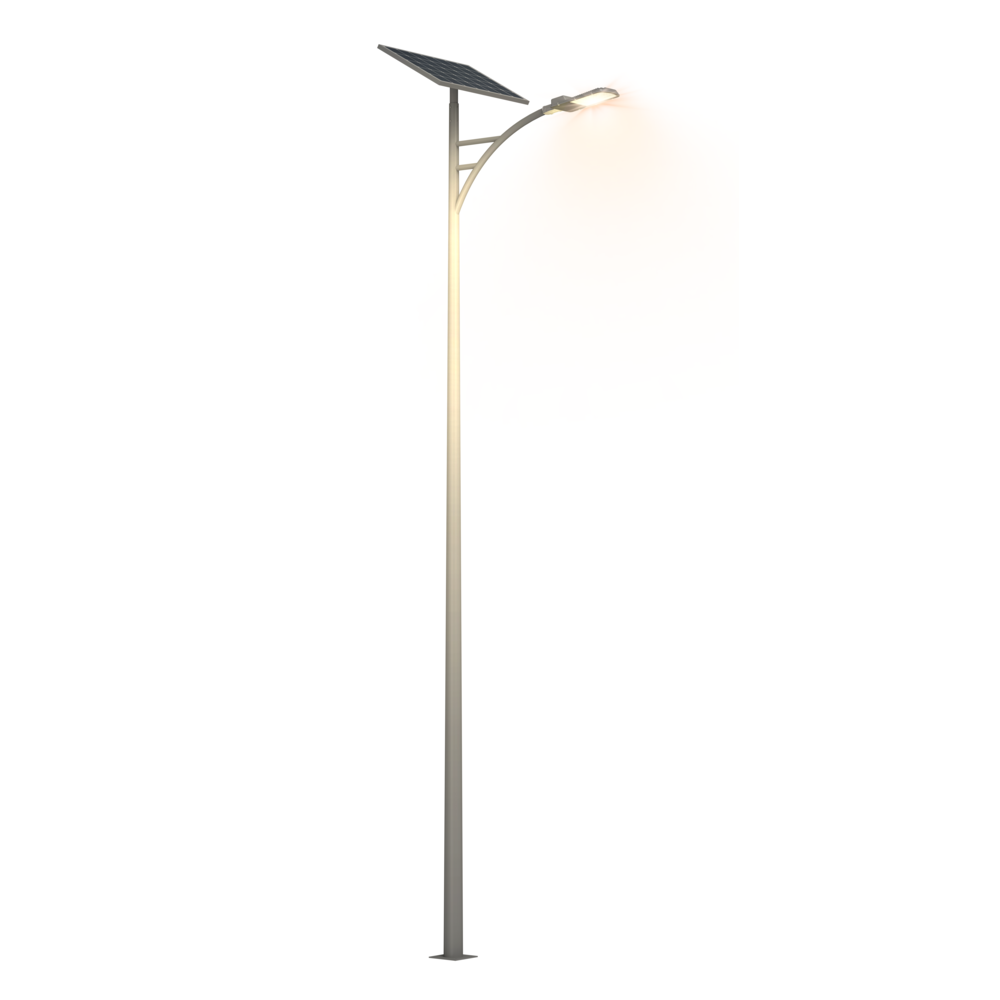
In procurement, the wrong supplier rarely looks wrong at the beginning. The quotation may seem competitive, the catalog may look complete, and the communication may be smooth enough to move forward. The real problems usually appear later: a minimum order quantity that does not match the project rollout, production lead times that disrupt installation sequencing, or “customization” that turns out to mean little more than changing a housing color. That is why choosing a landscape lighting manufacturer should go beyond comparing unit prices.
For buyers managing parks, roads, public spaces, residential developments, or municipal upgrades, MOQ, lead time, and customization are three practical filters that reveal how a supplier will perform under project pressure. They affect budget control, warehousing, construction schedules, and even long-term maintenance. A good purchasing decision is not only about buying fixtures; it is about reducing uncertainty across the full delivery cycle.
Start with MOQ, but read what it really means
MOQ is often treated as a simple number, yet for procurement teams it is a signal of manufacturing flexibility. A low MOQ can be useful for pilot areas, phased construction, or testing a new product family before full deployment. A high MOQ may still be acceptable if the project scale is large enough and if the supplier can keep specifications consistent across multiple shipments.
The key question is not “What is your MOQ?” but “How does your MOQ apply to this project?” Some manufacturers set MOQ by model, some by finish, some by wattage, and some by custom component. A supplier may accept a low quantity on standard poles and luminaires, but require a higher volume for special brackets, optics, smart controllers, or non-standard finishes.
For outdoor lighting procurement, this matters because landscape and infrastructure projects rarely move in a perfectly uniform pattern. One area may need decorative bollards, another may need pathway lights, and another may require solar or hybrid street lighting in remote sections. If MOQ is too rigid, buyers may end up over-ordering to meet production thresholds, which increases inventory pressure and ties up cash.
Ask for MOQ details in writing, broken down by product category and customization level. This is especially important if your project includes mixed environments or multiple installation zones.
Lead time is more than factory production time
Many procurement delays happen because buyers compare only the quoted production lead time, not the full delivery timeline. A manufacturer may say “25 days,” but that number may exclude drawing confirmation, sample approval, component sourcing, aging tests, packaging adjustments, and shipping arrangements.
When evaluating a landscape lighting manufacturer, break lead time into stages:
- Technical confirmation and shop drawing approval
- Sample production, if required
- Material procurement for key components
- Mass production
- Testing and quality inspection
- Packing, labeling, and document preparation
- Shipping and delivery coordination
This stage-by-stage view gives procurement teams a more realistic schedule. It also makes it easier to identify risk points. For example, if the fixture body is standard but the driver, controller, battery, or smart system needs special sourcing, the published lead time may not hold under actual project conditions.
Large-scale outdoor projects also need consistency across batches. Fast first delivery is helpful, but batch-to-batch stability matters more if the project extends over months. Ask whether the supplier can support scheduled deliveries, reserve critical components, and maintain specification continuity for later phases.
Customization: where many purchasing assumptions go wrong
In outdoor lighting, customization can mean many different things. For one manufacturer, it may only refer to cosmetic adjustments. For another, it may include optical distribution, pole height, mounting structure, control integration, battery configuration, corrosion resistance, and packaging for project labeling.
Procurement teams should define customization in categories:
- Appearance customization: color, housing style, finish, dimensions
- Performance customization: wattage, CCT, beam angle, lumen output
- Structural customization: pole height, bracket design, wind resistance considerations
- System customization: dimming, sensors, remote monitoring, smart control compatibility
- Project customization: cable length, packaging marks, installation accessories, document support
This is where procurement professionals should be careful. Customization can improve fit-for-purpose performance, but it can also increase lead time, complicate after-sales replacement, and create dependency on one exact configuration. If a project requires custom solutions, ask whether replacement parts or future expansion orders can be matched later.
For example, in off-grid or difficult installation environments, a standard product may not solve the real site challenge. In coastal roads, mountain regions, industrial zones, or remote areas, hybrid energy solutions may be worth considering. A product such as Wind-Solar Hybrid Street Lighting | SHL-007 is relevant in these cases because it combines solar and wind input, supports all-weather operation, and reduces dependence on cabling. For procurement, the value is not novelty; it is lower civil work complexity and better power reliability where grid access is unstable or expensive.
Don’t separate product selection from project execution
Buyers often compare manufacturers as if procurement ends at purchase order placement. In reality, outdoor lighting projects are execution-heavy. Product choice affects installation method, maintenance planning, spare strategy, and control integration. A supplier that understands project delivery can usually answer better questions: What happens if installation is phased? How are replacements handled? Can the control system align with the rest of the site infrastructure? Are product configurations practical for long-term maintenance teams?
This is particularly relevant for contractors and project owners handling roads, public spaces, and urban environments with multiple stakeholders. Manufacturers with engineering support and project experience tend to communicate more clearly about compatibility, sequencing, and field constraints. That reduces surprises after procurement has already committed budget and schedule.
A practical checklist for supplier evaluation meetings
When speaking with a potential supplier, use questions that reveal operational reality rather than polished sales language:
- Is MOQ based on model, wattage, finish, or custom components?
- Can standard and custom items be combined in one order?
- What are the longest-lead components in this product family?
- How is lead time affected by drawing approval or sample confirmation?
- Can the factory support phased delivery for large projects?
- What parts of the product can be customized without restarting the entire engineering process?
- How are replacement units managed if custom specifications are used?
- What testing is completed before shipment?
- Can the supplier support smart control integration if the project scope expands later?
These questions move the conversation from brochure-level claims to execution capability. They also help procurement teams compare suppliers on more than price alone.
Balance cost with total procurement risk
It is understandable to focus on the lowest purchase price, especially under tender pressure. But the cheaper option can become the more expensive one if MOQ forces excess stock, if lead time causes site delays, or if customized products become difficult to replace. Total procurement cost includes storage, installation disruption, freight coordination, maintenance complexity, and the internal time required to solve preventable supplier issues.
Some projects benefit from a standard product strategy. Others require a manufacturer that can adapt specifications around terrain, weather, energy availability, or smart management requirements. In both cases, the goal is the same: predictable delivery and dependable long-term performance.
For procurement teams sourcing from a landscape lighting manufacturer, the strongest decision is rarely based on one attractive quote. It comes from understanding how MOQ, lead time, and customization interact with the realities of the project. If a supplier can explain those details clearly, align product options with site conditions, and support execution instead of just shipment, you are not simply buying lighting — you are protecting the outcome of the entire project.
◉ MESSAGE
Blog
- LED Street Luminaire Specifications That Matter for Roadway Projects
- What to Evaluate When Selecting a Smart Street Lamp Manufacturer
- How to Prepare a Compliant Solar Lighting Bid for Public Infrastructure Projects
- LED Street Lighting Solutions for Urban and Municipal Roads
- LED Street Light Installation Guide for Road Projects
- LED Street Light Lifespan: How Long Do LED Road Lights Last?
- LED Street Light IP Rating: What Should Buyers Choose?
Message