
What interoperability risks to review in a smart lighting control system
Before a smart lighting control system is approved for an outdoor project, interoperability deserves more attention than the feature list usually gets. On paper, many platforms can dim, schedule, alarm, and report energy use. In the field, the harder question is whether controllers, drivers, gateways, poles, luminaires, and upper-level software can keep working together after handover, after network changes, and after one supplier is replaced.
That matters even more on roads, in public spaces, and in dense urban environments where assets are spread across large areas and maintenance teams cannot afford trial-and-error integration. For business evaluators, interoperability is less about technology fashion and more about delivery risk: commissioning time, fault isolation, spare parts strategy, cybersecurity responsibility, and the practical cost of keeping the system serviceable for years.
Start with the control architecture, not the dashboard
A polished user interface can hide a rigid system underneath. The first review point is architecture: how field devices connect, where logic sits, and what happens if one layer fails. In outdoor lighting, control may run through PLC, RF mesh, NB-IoT, LoRa, 4G/5G, or hybrid structures. Each approach affects interoperability differently.
A centralized platform may integrate more easily with city-level software, but it also becomes more dependent on stable backhaul and cloud policy. A distributed approach can keep lighting schedules running locally when communications drop, but integration with third-party supervision systems may require more gateway work. Evaluators should ask a plain question: if the platform server, communication link, or one gateway goes down, what still works at luminaire level?
In large-scale project support, this is often where execution issues start. Lishida Smart Lighting has seen that coordination between product selection and control logic is usually more important than adding another software layer later. If local fallback, alarm buffering, and remote parameter recovery are not defined early, interoperability problems tend to show up during commissioning rather than during tender review.
Protocol compatibility is not the same as practical compatibility
Many systems claim openness because they mention DALI, DALI-2, 0-10V, Zhaga, NEMA, MQTT, BACnet, Modbus, or API support. That is a useful starting point, but not enough. A device can support a protocol and still fail to interoperate cleanly because of limited command sets, vendor-specific extensions, different data models, or incomplete event reporting.
For example, a luminaire controller may switch and dim correctly, yet not expose driver temperature, power quality alarms, or GPS-based asset identity in the format the central platform expects. The reverse also happens: a platform can ingest data but cannot push firmware updates or grouped control commands across mixed device brands without custom adaptation.
So the review should go deeper than “Does it support protocol X?” Better questions are:
- Which functions are standardized, and which are proprietary?
- Can mixed-brand devices be commissioned in one workflow?
- Are alarms, power data, dimming curves, and asset metadata mapped consistently?
- Who is responsible when protocol-level compatibility exists but field behavior is inconsistent?
The luminaire-driver-controller combination is a common weak point
Interoperability risk is often discussed at software level, but hardware combinations create just as many failures. In outdoor lighting, the control node, LED driver, surge protection, enclosure rating, and mechanical interface have to work as one assembly. A controller that is theoretically compatible can still create unstable dimming, false alarms, or shortened driver life if electrical characteristics are not matched well.
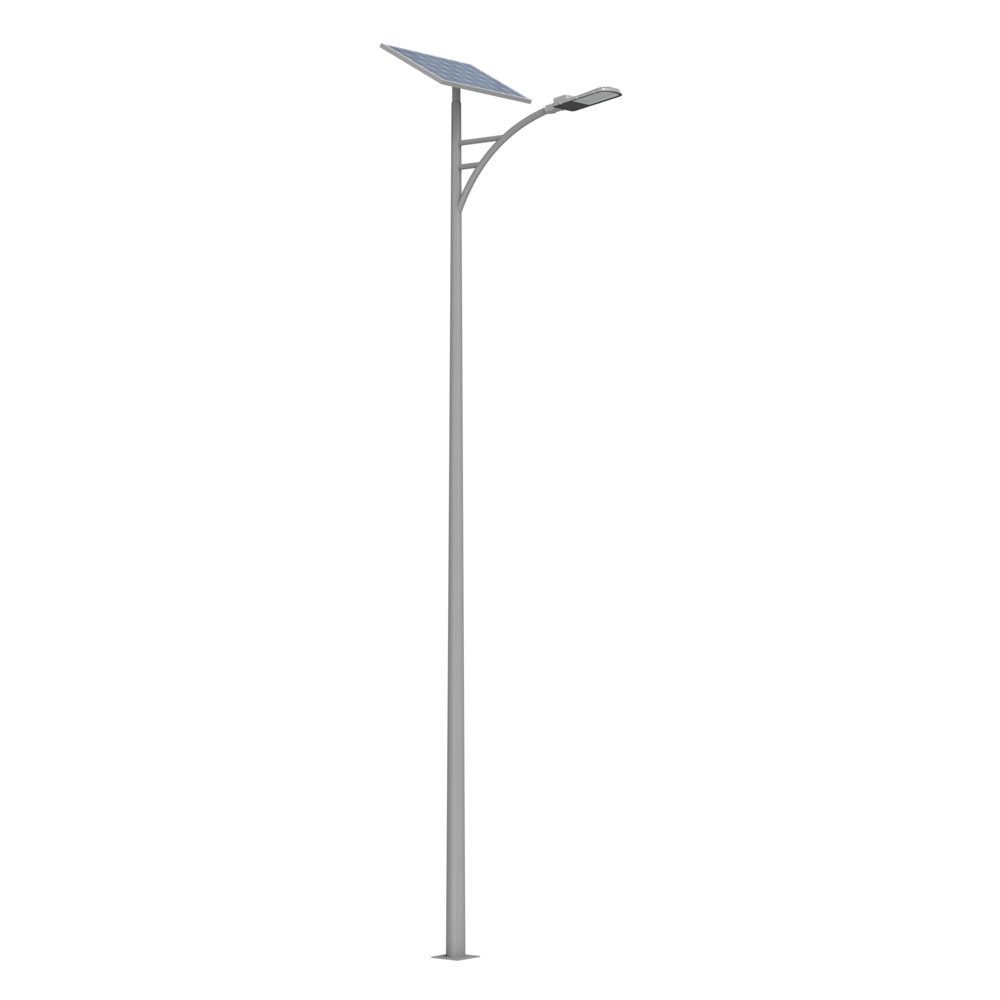
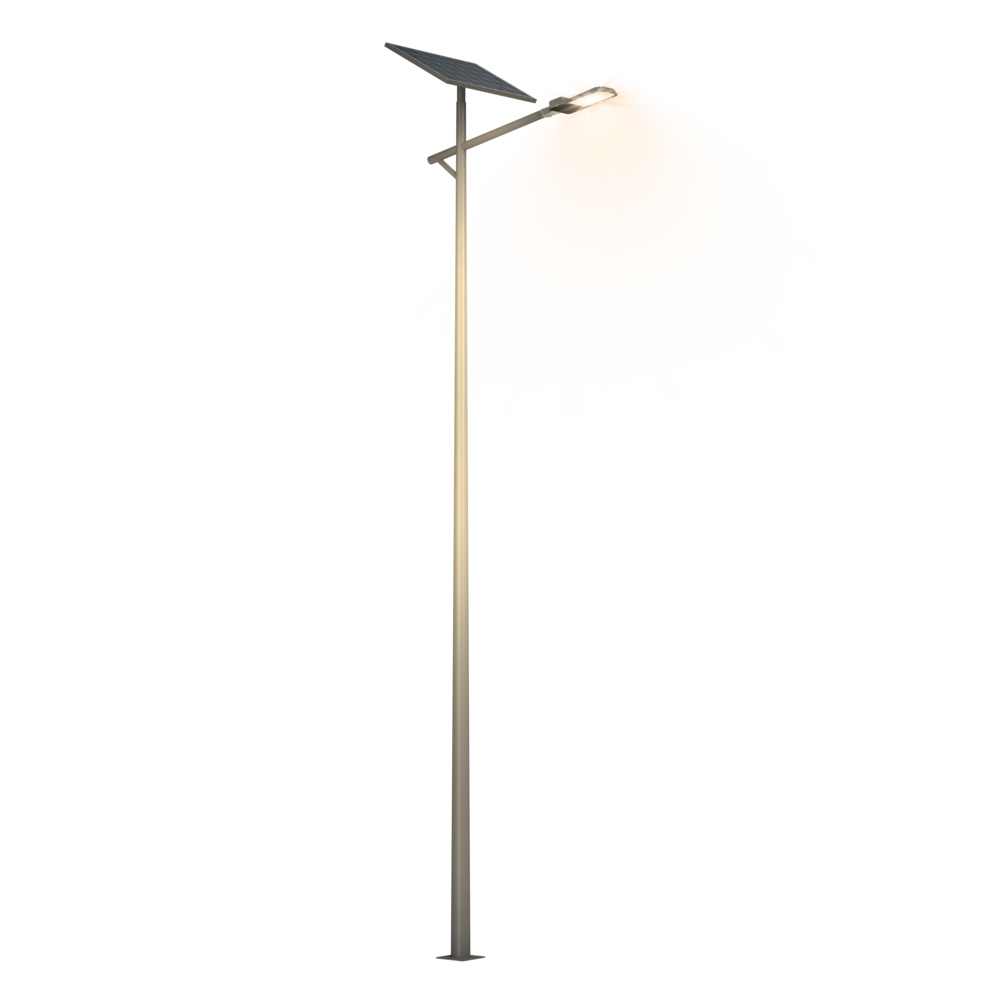
This is especially relevant in modern street lighting where aesthetic design, dual-light arrangements, and smart features are combined in one structure. A product such as Modern Street Lighting | MSL-GH may offer practical project advantages like IP67 protection, hot-dip galvanized corrosion resistance, wind resistance of at least 150 km/h, and LED efficacy of at least 140 lm/W. Those are strong outdoor parameters, but evaluators still need to verify how the driver and controller behave together under dimming schedules, power interruptions, and remote fault reporting. Good hardware durability does not automatically guarantee good control interoperability.
Another detail people miss: connector standards. NEMA and Zhaga sockets simplify replacement and future upgrades, but only if the actual pin definitions, control expectations, and firmware behavior are aligned across suppliers. Otherwise, a “replaceable” node becomes replaceable in theory only.
Check integration with non-lighting systems early
In urban projects, lighting rarely stays isolated. Owners may want the smart lighting control system to connect with traffic platforms, environmental sensors, CCTV poles, emergency command centers, or broader smart city dashboards. The risk is not just interface development cost. It is also conflicting ownership of data, time synchronization issues, and unclear alarm hierarchy.
A simple example: if a traffic incident triggers brighter road lighting, which system owns the command priority? If the lighting platform reports a node offline while the city platform still shows the pole as active, who resolves the discrepancy? These are interoperability questions, not software bugs. They should be written into the functional review, especially for projects crossing multiple contractors.
Data model, naming, and asset management decide long-term usability
A lot of systems can be made to work on day one. Fewer stay manageable in year three. One reason is poor asset data structure. If device IDs, pole numbers, GIS coordinates, feeder relationships, and maintenance records are not consistently defined, interoperability breaks slowly rather than dramatically.
For business review, this affects lifecycle cost more than many people expect. Supplier A may provide luminaires, supplier B the control platform, and supplier C the electrical package. If naming logic and export formats differ, fault tracing becomes manual work. That is where operational friction appears: duplicate assets, unclear replacement history, and reporting that cannot be trusted without spreadsheet cleanup.
Ask for sample exports, alarm logs, and commissioning records before approval. Not screenshots—actual files. If data cannot move cleanly between systems, the interoperability story is incomplete.
Cybersecurity and remote maintenance should be reviewed as interoperability issues too
People often separate cybersecurity from interoperability, but in connected outdoor lighting they overlap. Remote access, firmware updates, API calls, SIM management, and cloud-to-edge authentication all affect whether different system elements can keep working together safely.
A platform that depends on one vendor for encrypted communication keys or update tools may create lock-in even if its field protocols look open. Similarly, if firmware updates require on-site intervention for one device brand but can be done remotely for another, mixed deployments become expensive to maintain. Business evaluators should clarify update responsibility, rollback method, access logs, and what happens if one subsystem is discontinued.
Review replacement scenarios, not just initial delivery
The most useful interoperability test is often a future replacement scenario. Can a failed controller be swapped without reconfiguring the whole segment? Can a new luminaire series be added to an old control zone? Can the owner keep the platform if they change hardware vendor later?
This is where practical engineering experience matters. In large outdoor projects, product delivery is only one phase. Long-term reliability depends on how easily systems absorb change: expansion, partial retrofit, communication migration, and uneven maintenance conditions. Even a well-built street lighting product with Q235 steel structure, 4–8 mm pole thickness, and a 12 m configuration still needs a control ecosystem that does not become fragile when one component changes.
A careful approval process should therefore ask suppliers to demonstrate not only that their system works, but how it fails, how it recovers, and how it stays serviceable in a mixed-vendor environment. That usually tells you more than any dashboard demo.
◉ MESSAGE
Blog
- LED Street Luminaire Specifications That Matter for Roadway Projects
- What to Evaluate When Selecting a Smart Street Lamp Manufacturer
- How to Prepare a Compliant Solar Lighting Bid for Public Infrastructure Projects
- LED Street Lighting Solutions for Urban and Municipal Roads
- LED Street Light Installation Guide for Road Projects
- LED Street Light Lifespan: How Long Do LED Road Lights Last?
- LED Street Light IP Rating: What Should Buyers Choose?
Message