
How Much Does an LED Street Light Cost? A Buyer’s Guide
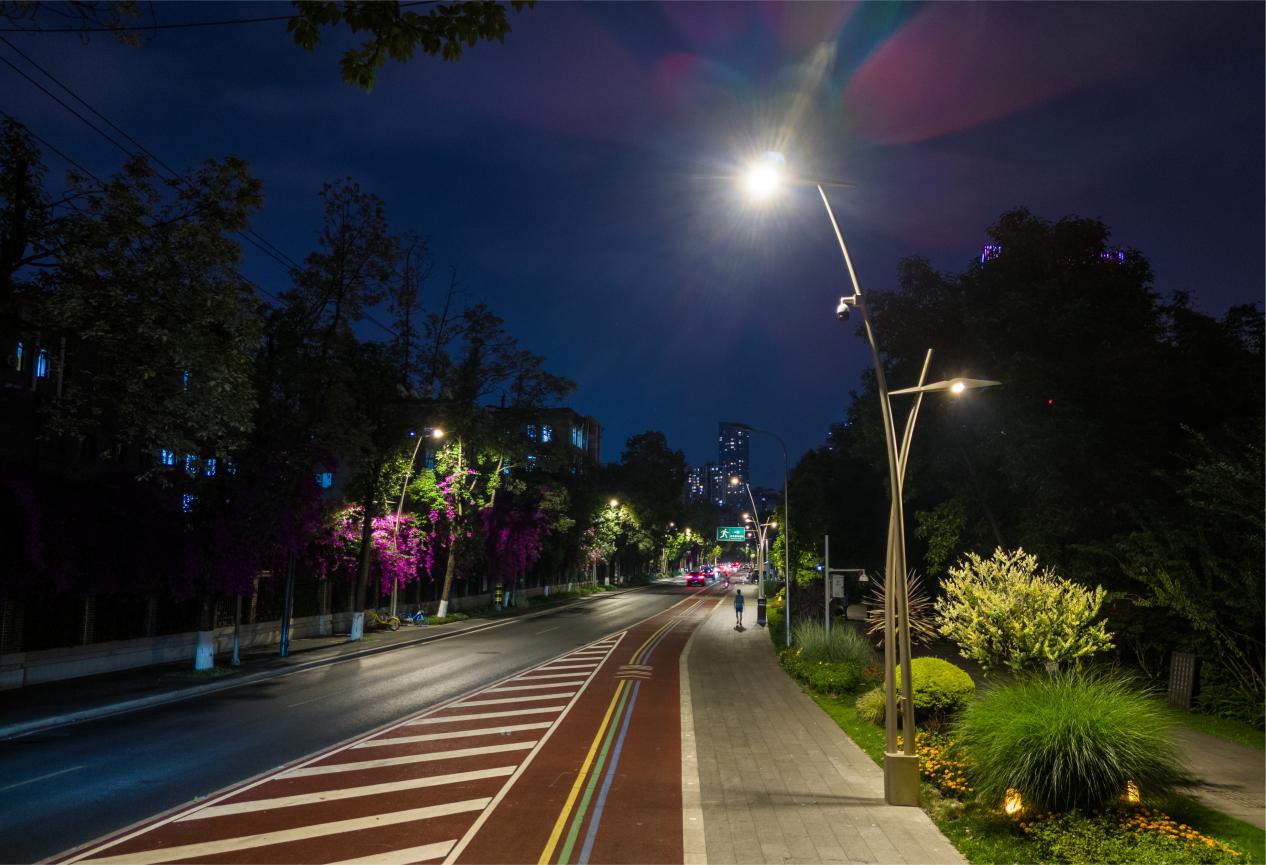
Ask ten buyers how much an LED street light costs, and you may get ten very different answers. That is not because the market is vague, but because street lighting is rarely a simple off-the-shelf purchase. A fixture that works for a residential access road is not the same as one intended for a municipal arterial, an industrial park, or a smart-city upgrade. For contractors, developers, and public project owners, the real question is usually not “What is the unit price?” but “What am I actually paying for, and what will it cost me over the life of the project?”
That distinction matters. A lower purchase price can look attractive during bidding, yet become expensive once failures, uneven lighting, control incompatibility, or maintenance demands start showing up. In outdoor lighting, cost is tied to performance, durability, and how well the product fits the project environment.
Why LED street light pricing varies so much
The price of an LED street light can differ widely based on its technical configuration and project requirements. Wattage is one factor, but it is far from the only one. Housing quality, LED chip brand, driver stability, optical design, surge protection, corrosion resistance, and smart control readiness all influence cost.
For example, two 100W fixtures may look similar on paper, but one may deliver better light distribution, stronger weather protection, and a longer service life in harsh roadside conditions. That difference often explains the price gap more accurately than wattage alone.
Buyers comparing quotations should also remember that “street light cost” may refer to different scopes. Some suppliers quote only the luminaire. Others may include brackets, poles, control systems, installation accessories, or integrated project support. A fair comparison starts with knowing exactly what is included.
What makes up the cost of an LED street light?
When evaluating price, it helps to break the fixture down into the elements that drive value.
1. LED chips and luminous performance
Higher-quality chips typically offer better lumen maintenance, more stable output, and greater efficiency over time. Cheap chips may reduce the upfront cost, but they can also lead to faster depreciation in light quality. In a street lighting project, that can create dark spots, inconsistent visibility, and earlier replacement cycles.
2. Driver quality
The driver is one of the most critical components in an LED street light. A reliable driver supports electrical stability, protects the fixture from fluctuations, and helps extend operating life. In many outdoor projects, especially where power conditions are not perfectly stable, driver quality is not the place to cut corners.
3. Optical design
Good street lighting is not only bright; it is controlled. Proper beam distribution improves road visibility, reduces waste light, and helps meet planning requirements. Better optics often cost more, but they can reduce the number of fixtures needed or improve compliance with project standards.
4. Housing and protection level
Outdoor luminaires face rain, dust, heat, vibration, and sometimes coastal corrosion. The fixture body, heat dissipation design, sealing, and coating all influence durability. A product built for long-term roadside use should be evaluated for more than appearance.
5. Smart control compatibility
Many projects now require dimming, remote monitoring, scheduling, fault alerts, or integration into wider smart lighting platforms. A street light designed for future control upgrades may cost more at the beginning, but it can save substantial retrofit expense later.
The hidden costs buyers often miss
Some of the most important costs never appear in the basic product quote.
Installation complexity is one example. If a fixture is difficult to mount, wire, or commission, labor time increases. If the control system is not properly matched, troubleshooting on site can delay project delivery. If replacement parts are hard to source, maintenance teams may spend more time and money than expected after handover.
Long-term reliability is another overlooked factor. In large-scale outdoor lighting, maintenance access is not free. Road closures, lift equipment, labor scheduling, and public safety coordination all add cost when a fixture fails. This is why experienced project teams usually evaluate total cost of ownership, not just initial purchase price.
How project type changes the budget
The same buying logic does not apply to every outdoor project. Municipal roads, urban renewal zones, logistics parks, campuses, and public spaces all place different demands on lighting systems.
On a major road, consistency, visibility, and operational stability may be the top priorities. In a newly developed district, control integration and future scalability may matter more. In public spaces such as plazas or mixed-use landscapes, the project may include both street lighting and architectural or accent lighting. In those cases, buyers often evaluate multiple fixture types together rather than purchasing each category in isolation.
For example, some public environment projects combine roadway lighting with façade or landscape illumination. A complementary product such as LED Floodlight may be used in plazas, stadiums, or landscape areas where directional illumination is needed. With options such as 6-60W power, CREE or OSRAM chips, IP66 protection, beam angles from 3° to 60°, and color temperatures including 2000K, 3000K, 4000K, RGB, and RGBW, this type of fixture serves a different purpose from a street light, but it affects the total outdoor lighting budget and system planning.
What buyers should compare instead of just unit price
If you are reviewing supplier offers, ask for a comparison that goes beyond the headline figure. A useful evaluation usually includes:
- Fixture efficacy and expected light output
- LED chip and driver brands or specifications
- Ingress protection and environmental suitability
- Surge protection level
- Optical distribution options
- Control system compatibility
- Warranty terms and after-sales support scope
- Availability of technical support during installation and commissioning
This kind of review is especially important in project-based purchasing. A product that is slightly more expensive may still be the lower-risk option if it reduces coordination problems and supports smoother implementation.
A practical way to estimate LED street light cost
Rather than asking for a generic price, define the project conditions first. Start with road type, pole height, spacing, target illumination standard, local climate, and whether smart control is required. Then request a solution-based quotation instead of a simple catalog price.
This approach usually produces more useful numbers because it reflects the actual system you need. It also helps prevent under-specifying the fixture during procurement and overpaying for corrections later.
For large-scale projects, the purchasing decision often sits at the intersection of engineering, budgeting, and long-term asset management. That is where experienced support becomes valuable. Lishida Smart Lighting works with contractors and project owners on outdoor lighting projects that go beyond product supply alone. From roads and public spaces to more complex urban environments, the focus is on aligning lighting products, smart controls, and project-specific requirements so execution remains practical from selection through long-term operation.
Common mistakes that make “cheap” street lights expensive
One common mistake is buying based on wattage without reviewing photometric performance. Another is assuming all LED fixtures with similar dimensions are equivalent. They are not. Internal component quality, optical precision, and thermal design can vary significantly.
Buyers also sometimes overlook system integration. A street light may work well as a standalone fixture but create complications when connected to dimming networks or centralized control systems. In city and infrastructure projects, that mismatch can be more costly than the fixture itself.
There is also the issue of lifecycle expectations. If the project needs years of stable operation with limited maintenance intervention, the cheapest available option is rarely the safest choice.
So, how much should you expect to pay?
The most honest answer is this: LED street light cost depends on specification level, control requirements, environmental demands, and project scope. A basic fixture for a simpler application will cost less than a smart-ready luminaire designed for demanding municipal use. Once poles, controls, installation, and maintenance implications are considered, the lowest unit price often stops being the best deal.
For buyers, the smarter goal is not chasing the cheapest number. It is choosing a lighting solution that fits the road, supports the project schedule, and stays reliable after handover. When that happens, cost becomes easier to justify because it is tied to fewer surprises, steadier performance, and better value over time.
◉ MESSAGE
Blog
- LED Street Luminaire Specifications That Matter for Roadway Projects
- What to Evaluate When Selecting a Smart Street Lamp Manufacturer
- How to Prepare a Compliant Solar Lighting Bid for Public Infrastructure Projects
- LED Street Lighting Solutions for Urban and Municipal Roads
- LED Street Light Installation Guide for Road Projects
- LED Street Light Lifespan: How Long Do LED Road Lights Last?
- LED Street Light IP Rating: What Should Buyers Choose?
Message