
What Battery Type Works Best in Solar Street Lighting
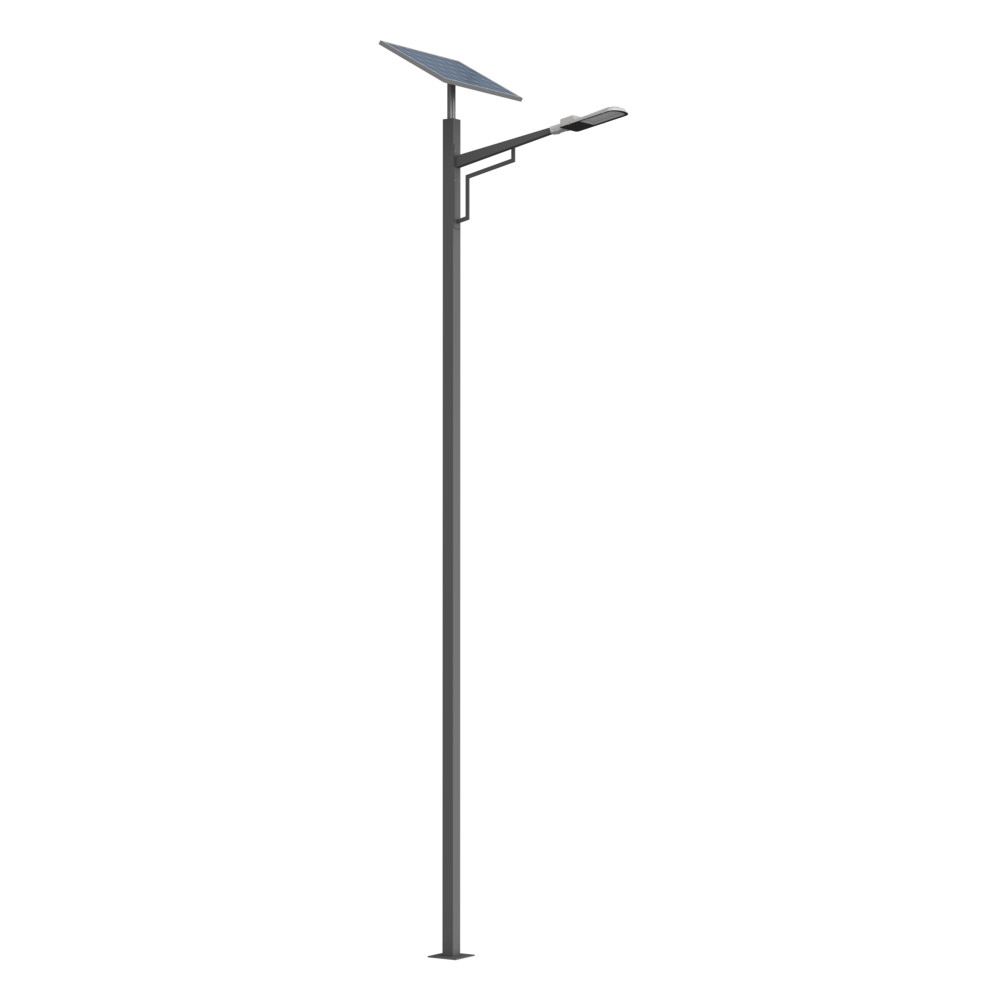
Choosing a battery for solar street lighting is not a minor component decision. It shapes nightly runtime, charging stability, maintenance frequency, safety performance, and the real cost of operation over years of outdoor use.
That is why battery type matters so much in roads, parks, public spaces, and urban projects. In large installations, one weak battery choice can create repeated service calls, dark areas, and avoidable replacement costs.
For project delivery teams working with complex outdoor lighting systems, the best answer is usually not the cheapest battery on paper. It is the one that stays reliable under real charging, temperature, and load conditions.
Why battery selection has become a key issue
Solar street lighting depends on a simple chain: panel, controller, battery, and LED fixture. If the battery underperforms, the rest of the system cannot compensate for long.
The industry is paying closer attention because lighting projects now face tighter uptime expectations. Cities also want smarter control, lower maintenance, and predictable performance across wider operating environments.
In practice, battery behavior affects more than backup time. It also influences dimming strategy, autonomy days, charging efficiency, pole design, and maintenance planning.
The main battery types used in solar street lighting
Several battery chemistries are used in solar street lighting, but three types appear most often in outdoor projects: lead-acid, gel, and lithium batteries, especially lithium iron phosphate.
Lead-acid batteries
Lead-acid batteries are familiar and relatively low in initial cost. They can still be found in budget-sensitive installations or older systems.
Their limits are also clear. They are heavy, require more installation space, and usually offer shorter cycle life with deeper daily discharge.
Gel batteries
Gel batteries improve sealing and maintenance performance compared with conventional lead-acid options. They are often selected for stable, conventional outdoor applications.
Still, they remain bulky and less energy-dense than lithium solutions. In demanding solar street lighting projects, that becomes a design and lifecycle disadvantage.
Lithium batteries, especially LiFePO4
Lithium iron phosphate, or LiFePO4, is now widely regarded as the best battery type for most solar street lighting applications. It balances safety, cycle life, charging efficiency, and compact size.
It also performs well in systems with smart controls, adaptive dimming, and remote monitoring. That makes it particularly suitable for current outdoor lighting upgrades and new smart city deployments.
Why LiFePO4 usually works best
In most operating conditions, LiFePO4 offers the strongest overall value. The point is not only longer life. The bigger advantage is stable, manageable performance over time.
- Long cycle life reduces replacement frequency in large projects.
- Higher usable depth of discharge supports longer nightly runtime.
- Better charge acceptance helps during short winter daylight periods.
- Lower weight simplifies integration in compact solar street lighting structures.
- Stronger thermal stability improves safety in outdoor environments.
For operators, this means fewer early failures and more consistent lighting output. For project owners, it usually means lower total lifecycle cost even when upfront battery pricing is higher.
What should be evaluated beyond battery chemistry
A good chemistry alone does not guarantee good results. Solar street lighting performance depends on how the battery is matched with the full system.
This is where project experience becomes important. Large-scale outdoor lighting rarely succeeds through isolated component selection. It works better when battery sizing, smart control, and fixture efficiency are considered together.
How battery choice connects with system design
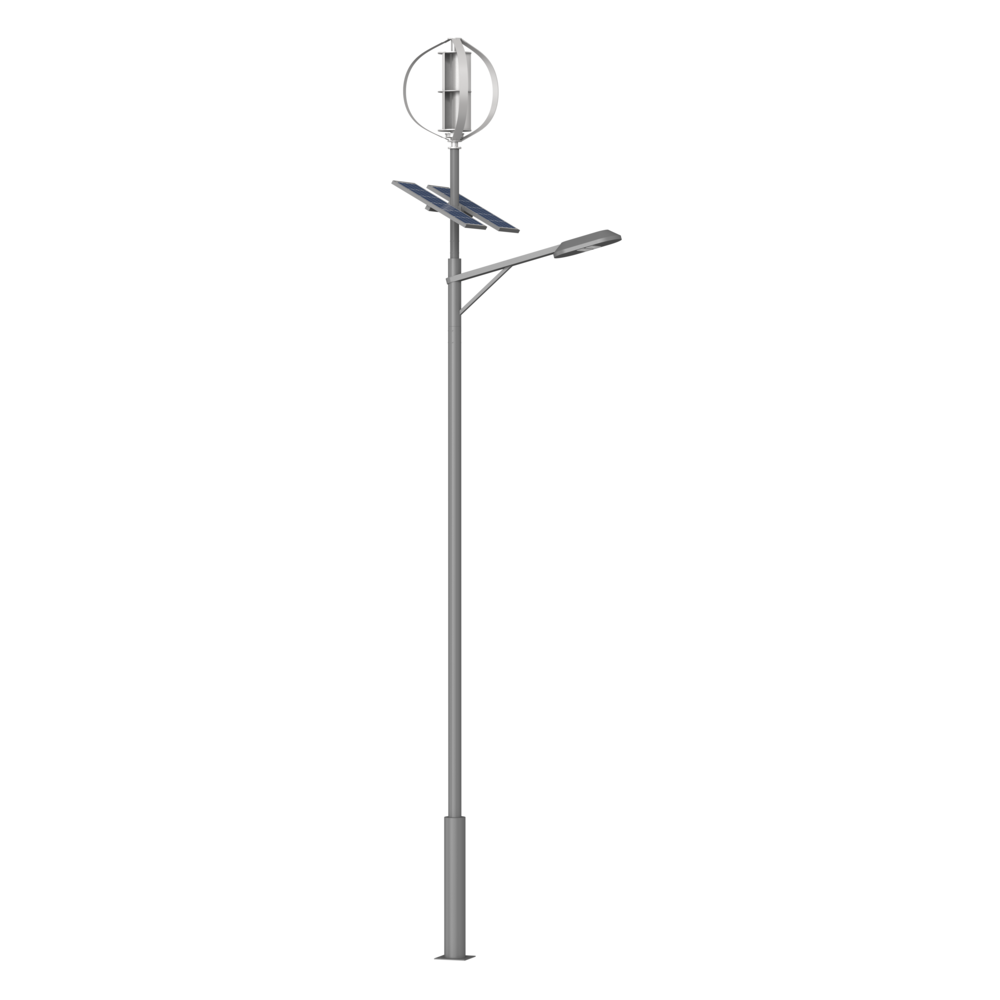
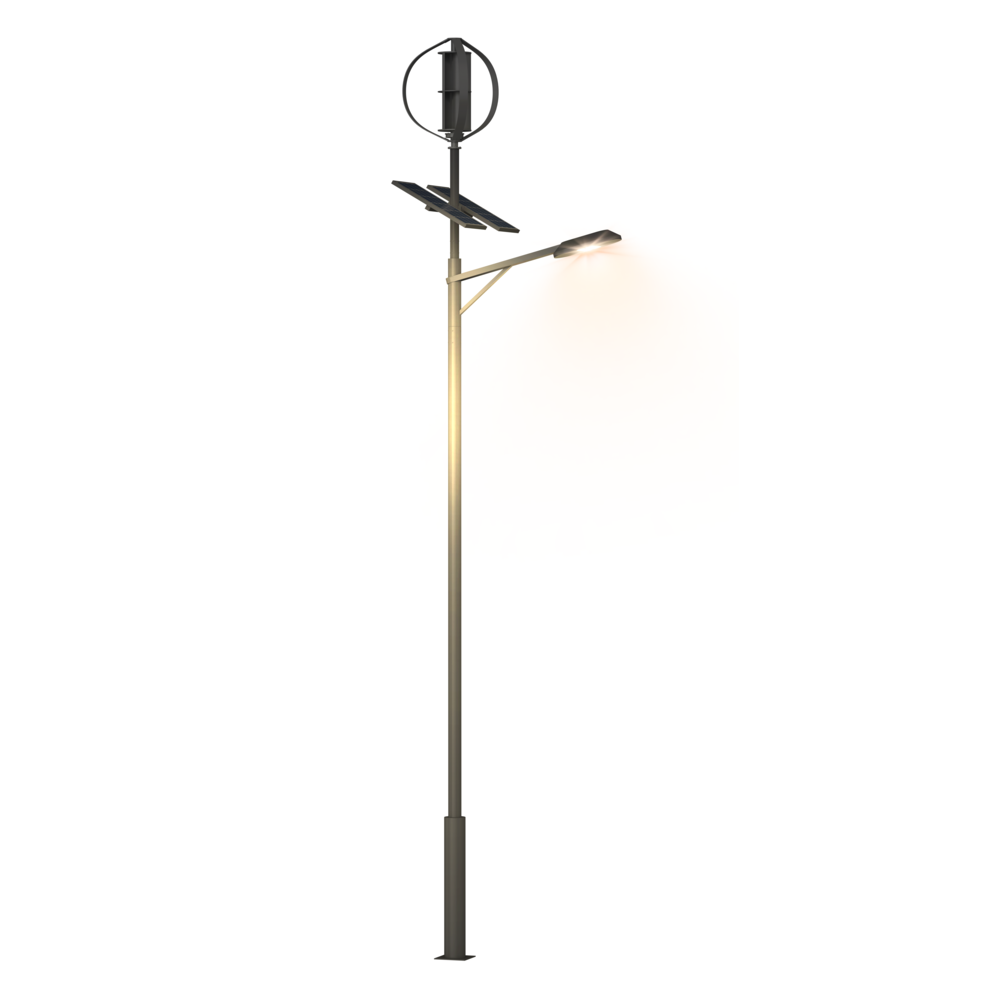
The best battery in solar street lighting is also the one that fits the system architecture. Efficient LEDs, intelligent dimming, and reliable communication reduce battery stress every night.
For example, a smart pole solution with remote control and real-time alerts can help detect abnormal discharge early. That improves fault response and keeps battery issues from becoming network-wide failures.
In that context, integrated solutions such as Smart Street Lighting | SSL-CH show how battery decisions relate to the wider outdoor lighting system.
A 50-100W lighting range, luminous efficiency of at least 140 lm/W, and support for 4G, 5G, NB-IoT, PLC, or LoRa can reduce wasted energy and improve control accuracy.
When the pole structure is designed for outdoor durability, with stainless steel construction, IP67 protection, and operation from -40℃ to +70℃, battery reliability becomes easier to preserve in service.
Where different battery choices still make sense
LiFePO4 is usually the preferred option, but not every project follows the same logic. There are still cases where another battery type may be acceptable.
- Short-term or highly budget-constrained installations may still use gel batteries.
- Low-demand sites with simple duty cycles can tolerate less advanced storage.
- Projects with difficult maintenance access should strongly favor lithium options.
- Smart city networks benefit more from batteries that support stable long-term control.
That distinction matters for roads, public plazas, industrial zones, and municipal corridors. The more critical the lighting continuity, the less suitable short-life batteries become.
A practical way to make the final decision
The most reliable path is to compare battery options against actual site conditions rather than catalog claims. Runtime targets, local weather, dimming strategy, and maintenance intervals should be defined early.
For large outdoor lighting projects, Lishida Smart Lighting approaches this through integrated support, from product selection to system coordination and long-term reliability planning.
That approach reflects a practical reality in solar street lighting: battery choice works best when it is treated as part of project execution, not as a standalone component purchase.
If the goal is stable solar street lighting over years of service, LiFePO4 is usually the strongest starting point. The next step is to verify sizing, control logic, and environmental fit before locking the specification.
◉ MESSAGE
Blog
- LED Street Luminaire Specifications That Matter for Roadway Projects
- What to Evaluate When Selecting a Smart Street Lamp Manufacturer
- How to Prepare a Compliant Solar Lighting Bid for Public Infrastructure Projects
- LED Street Lighting Solutions for Urban and Municipal Roads
- LED Street Light Installation Guide for Road Projects
- LED Street Light Lifespan: How Long Do LED Road Lights Last?
- LED Street Light IP Rating: What Should Buyers Choose?
Message