
Solar Street Lighting vs Grid Power: Cost Over 5 Years
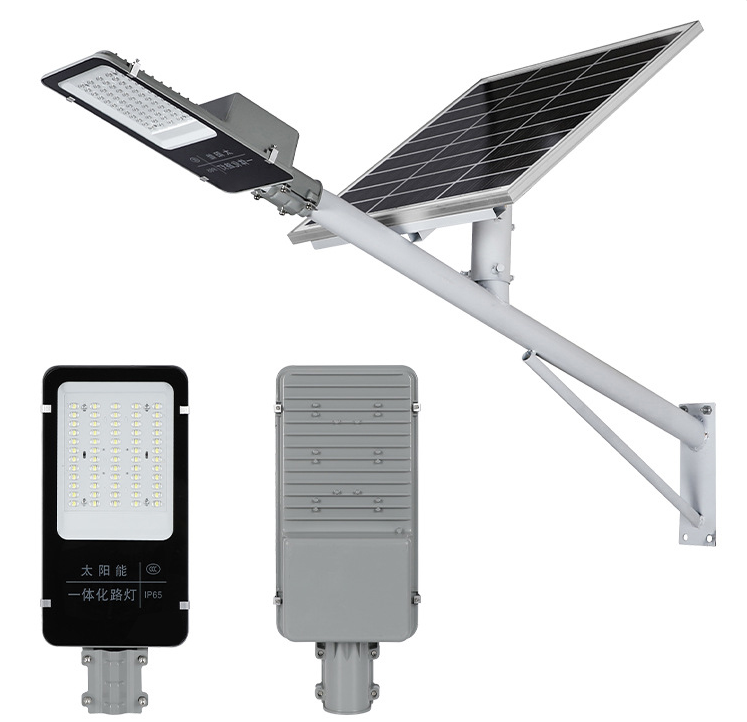
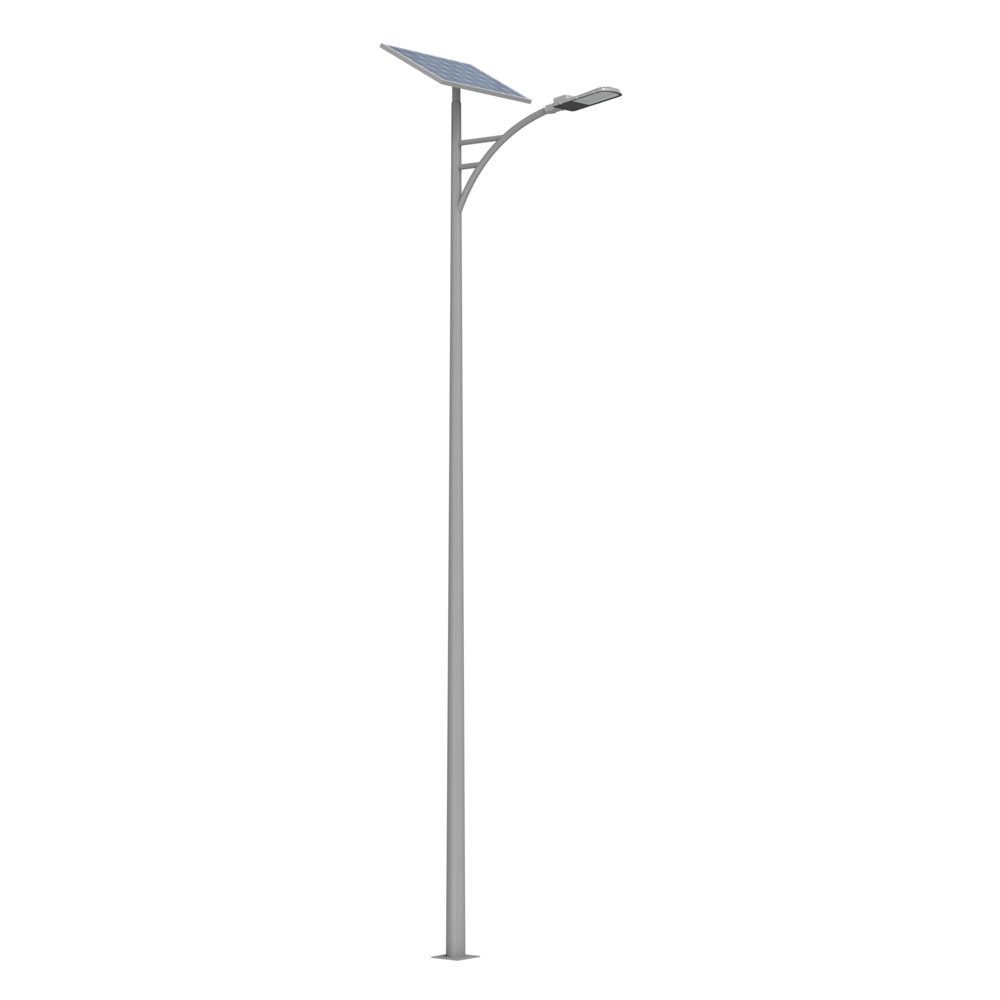
Solar Street Lighting or Grid Power: what really costs less over five years?
When outdoor lighting budgets are reviewed, unit price usually gets attention first. In practice, that is only one part of the decision.
A five-year comparison is more useful. It captures trenching, cabling, approvals, electricity bills, failures, and service access across roads, public spaces, and larger urban projects.
For many solar street lighting projects, the question is not whether solar is cheaper on day one. The better question is where total ownership cost shifts in its favor.
That is also how large project teams usually evaluate risk. The strongest results come from matching the lighting system to site conditions, maintenance capacity, and long-term reliability targets.
Is the upfront cost comparison as simple as fixture versus fixture?
Not really. Grid-powered lighting often looks cheaper if you compare only poles, luminaires, and basic electrical components.
But real project cost includes civil work. Cable trenches, conduit, distribution cabinets, transformers, road restoration, and utility coordination can quickly change the math.
Solar street lighting usually starts with a higher equipment cost. Panels, batteries, controllers, and integrated system sizing raise the initial figure.
Even so, installation is often faster because there is no grid connection work. On remote roads or difficult urban sections, that difference can be decisive.
Teams working on large-scale outdoor lighting normally see this early: the simpler the site access and the closer the utility point, the stronger grid power may look. The more scattered or off-grid the layout, the stronger solar street lighting becomes.
Where does the five-year cost gap usually open up?
The gap usually opens after commissioning. Grid-powered systems keep adding electricity expense every month, and tariffs rarely stay flat for long.
Maintenance is another layer. Underground cable faults, insulation damage, water ingress, and switching failures can be expensive to locate and repair.
Solar street lighting avoids recurring utility charges. Maintenance still exists, but it is usually concentrated around battery health, controller performance, and routine cleaning.
In better-designed systems, smart controls reduce over-discharge and improve energy use. That matters because poor energy management is one of the main reasons solar projects disappoint.
This is why integrated engineering support matters. For complex urban and roadway projects, system selection, control strategy, and long-term component matching influence cost just as much as the luminaire itself.
A practical five-year comparison
The table is a guide, not a fixed rule. Site distance, local labor cost, and required lighting hours can shift the result.
Which projects tend to benefit most from solar street lighting?
The strongest fit is usually where grid extension is expensive, slow, or uncertain. Rural roads, perimeter roads, parks, ports, mining areas, and temporary development zones fall into that category.
There are also edge cases where hybrid systems make more sense than standard solar. Coastal roads, mountain corridors, and windy off-grid areas often need more stable generation across changing weather.
One example is Wind-Solar Hybrid Street Lighting | SHL-003. It combines solar input, a 200W to 600W wind turbine, lithium battery storage, and an MPPT hybrid controller.
That kind of configuration is relevant when low-sun periods are common, but wind resources are available. It can support 24/7 supply, reduce wiring work, and improve reliability in exposed locations.
For highways, island roads, industrial zones, or remote locations, hybrid power sometimes offers a better five-year balance than either pure solar or full grid dependence.
What cost mistakes lead to the wrong decision?
The most common mistake is comparing only purchase price. That hides installation complexity and makes grid power look simpler than it really is.
Another mistake is under-sizing solar street lighting. If battery capacity or panel size does not match local weather and operating hours, service problems will appear long before five years.
- Check autonomy days, not only rated wattage.
- Review local irradiation, dust, wind, and shading conditions.
- Confirm whether dimming schedules and smart controls are included.
- Estimate replacement cycles for batteries and electronic components.
- Include outage risk and repair access in the budget model.
In larger public lighting programs, execution risk matters too. Product consistency, system integration, and after-installation support often decide whether projected savings are actually achieved.
How should a five-year lighting comparison be evaluated before approval?
A useful comparison starts with the site, not the catalog. Layout distance, lighting class, nightly runtime, and maintenance access should be defined first.
Then build a side-by-side model with real assumptions. That model should cover equipment, installation, commissioning, energy, service visits, replacement items, and failure scenarios.
Where projects involve roads, public spaces, or mixed urban environments, integrated support is valuable because lighting products alone do not solve coordination issues. Controls, system matching, and delivery timing affect cost outcomes.
In some off-grid or high-wind locations, a hybrid option such as Wind-Solar Hybrid Street Lighting | SHL-003 may be worth adding to the comparison set, especially when all-weather reliability is a priority.
Over five years, the better choice is usually the one that minimizes hidden infrastructure work and keeps light output dependable with manageable service demands.
So, which option is usually better?
There is no universal winner. Grid power can still be cost-effective where utility access is close, stable, and inexpensive to connect.
Solar street lighting tends to perform better where trenching is costly, electricity charges are meaningful, or future expansion needs flexibility. That is why it is increasingly used in roads, public infrastructure, and remote outdoor lighting.
The next step is straightforward: map the site conditions, list five-year cost assumptions, and compare standard grid, solar street lighting, and hybrid alternatives under the same operating target.
That approach produces a decision based on lifecycle value, not just first-price optics.
◉ MESSAGE
Blog
- LED Street Luminaire Specifications That Matter for Roadway Projects
- What to Evaluate When Selecting a Smart Street Lamp Manufacturer
- How to Prepare a Compliant Solar Lighting Bid for Public Infrastructure Projects
- LED Street Lighting Solutions for Urban and Municipal Roads
- LED Street Light Installation Guide for Road Projects
- LED Street Light Lifespan: How Long Do LED Road Lights Last?
- LED Street Light IP Rating: What Should Buyers Choose?
Message