
Modern Street Lighting MSL-XM: Which Road and Plaza Projects Is It Designed For?
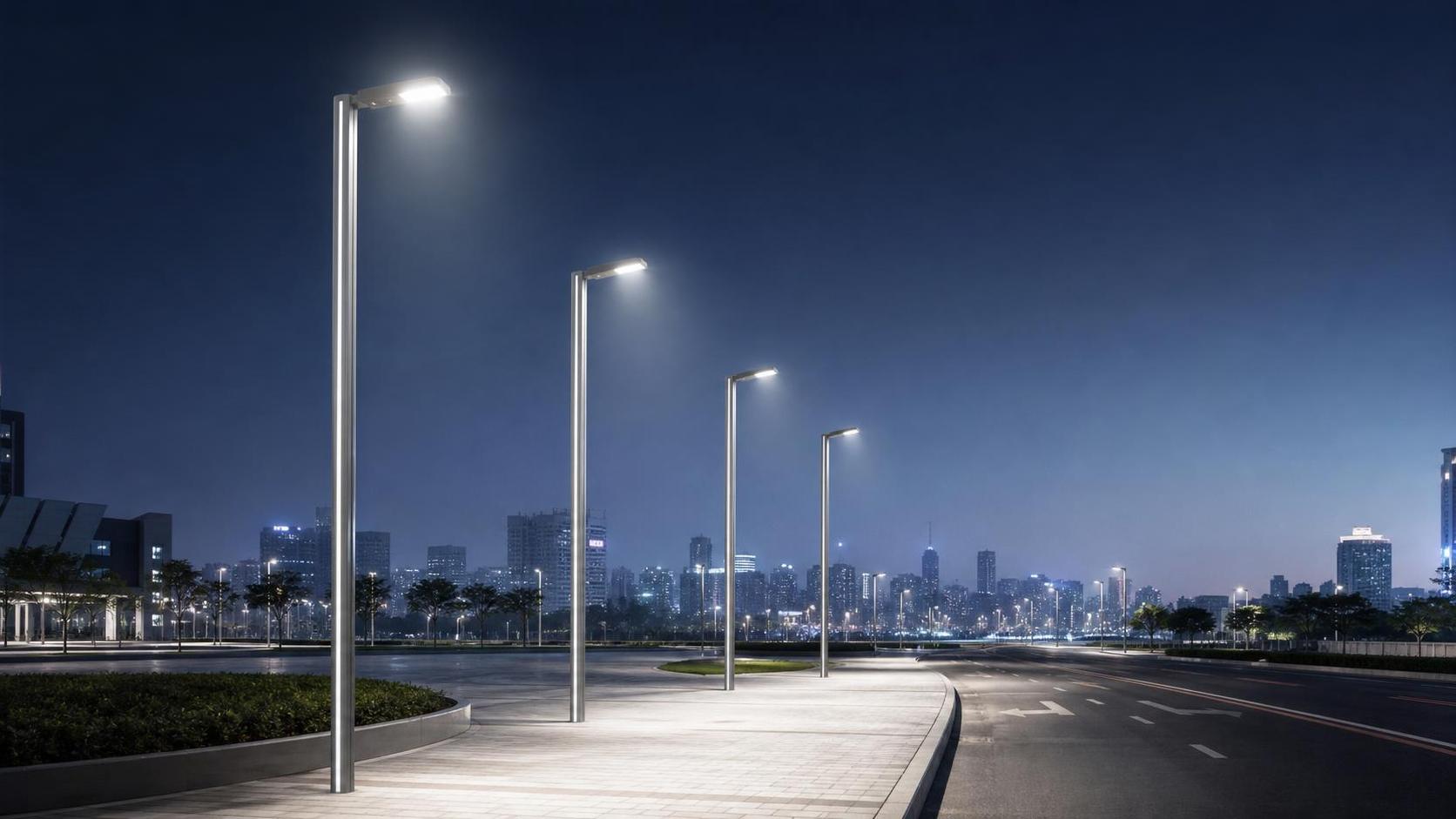
Modern Street Lighting MSL-XM: Which Road and Plaza Projects Is It Designed For?
For municipal and commercial outdoor work, product fit affects delivery speed, maintenance cost, and long-term reputation.
That is why Modern Street Lighting MSL-XM deserves closer attention in road and plaza planning.
It is built for demanding applications where lighting quality, structural durability, and project flexibility must work together.
In practice, many projects fail because the lighting product looks acceptable on paper, but underperforms after installation.
A better question is not simply wattage or appearance.
The real question is this: which project environments is Modern Street Lighting MSL-XM actually designed to support well?
Best-Fit Road Projects for Modern Street Lighting MSL-XM
Modern Street Lighting MSL-XM fits urban and interurban road projects that need reliable, uniform illumination over long operating cycles.
Its 150W to 250W light power range supports several common road classes without forcing one rigid configuration.
That matters when project requirements vary by lane width, pole spacing, and local standards.
1. Urban Main Roads and Secondary Arterials
These roads need balanced brightness, visual comfort, and steady performance through weather changes and long nightly use.
With luminous efficacy of at least 140 lm/W, Modern Street Lighting MSL-XM helps reduce energy demand without sacrificing output.
Available 3000K and 4000K options also make it easier to match local road lighting preferences.
2. Ring Roads, Access Roads, and Industrial Corridors
Projects in logistics parks and industrial districts often face dust, wind exposure, and demanding maintenance schedules.
Here, IP67 protection and wind resistance of at least 150 km/h become practical advantages, not marketing details.
They help reduce unexpected replacement work and support more stable operation over time.
3. New District Infrastructure and Expansion Zones
New development areas usually require products that can scale with phased construction.
Pole heights from 8 to 14 meters offer flexibility for roads with different hierarchy and spacing conditions.
That makes Modern Street Lighting MSL-XM useful where consistency across multiple sections is important.
Where It Works Well in Plaza and Public Space Projects
Road lighting is only part of the picture.
Modern Street Lighting MSL-XM is also well suited to plazas and open public zones where safety and appearance need equal attention.
Civic Plazas and Municipal Squares
Public plazas need lighting that supports visibility, movement, and a clean urban image after dark.
This is where structural finish matters.
The hot-dip galvanized and powder-coated surface improves corrosion resistance while keeping a refined exterior for visible public spaces.
Commercial Plazas and Mixed-Use Developments
Commercial outdoor areas often need practical lighting with stronger aesthetic value.
An overly industrial pole can weaken the visual quality of the whole project.
MSL-XM addresses that issue by combining modern street lighting performance with a cleaner visual profile.
This makes it easier to support both functional lighting goals and urban design expectations.
Transportation Plazas and Large Pedestrian Nodes
Bus terminals, station forecourts, and transfer plazas face long service hours and heavy user movement.
A rated lifespan of at least 50,000 hours helps support lower maintenance pressure in these busy environments.
That also improves planning confidence during handover and later operation.
Why This Street Lighting Solution Fits Large-Scale Delivery
Large projects rarely succeed on product specifications alone.
They succeed when product design matches procurement, installation, and long-term system needs.
That is where this solution becomes more relevant.
- The Q235 steel structure supports dependable mechanical strength for outdoor infrastructure work.
- Pole thickness from 4.5 mm to 8 mm allows adaptation to different project conditions.
- Square or circular base plates with slotted holes help simplify anchor bolt installation.
- Tailored configurations help align the product with varied municipal and commercial requirements.
For project teams working across roads, plazas, and complex urban spaces, this flexibility reduces coordination friction.
It also lowers the risk of choosing a product that fits one area but creates problems in another.
How to Judge Whether Modern Street Lighting MSL-XM Fits a Project
A practical evaluation should go beyond catalog review.
Use these checkpoints before final specification:
- Confirm whether the road class or plaza layout needs 8 to 14 meter pole options.
- Check if wind load, corrosion exposure, and sealing requirements match IP67 and high wind resistance.
- Review whether energy targets support a high-efficiency solution above 140 lm/W.
- Consider whether visual design matters as much as lighting performance in the final environment.
- Assess future maintenance expectations, especially for public or high-traffic areas.
If most answers point toward durability, efficiency, and adaptable deployment, the fit is usually strong.
A Practical Choice for Road and Plaza Lighting
Modern Street Lighting MSL-XM is best suited to arterial roads, access corridors, civic plazas, transport nodes, and mixed-use public spaces.
Its value comes from combining structural reliability, efficient lighting output, and project-ready flexibility.
For teams comparing options for large outdoor work, Modern Street Lighting|MSL-XM is a practical solution worth evaluating early in the planning stage.
A clearer match at the specification stage usually leads to smoother execution, fewer maintenance issues, and more dependable project outcomes.
◉ MESSAGE
Blog
- LED Street Luminaire Specifications That Matter for Roadway Projects
- What to Evaluate When Selecting a Smart Street Lamp Manufacturer
- How to Prepare a Compliant Solar Lighting Bid for Public Infrastructure Projects
- LED Street Lighting Solutions for Urban and Municipal Roads
- LED Street Light Installation Guide for Road Projects
- LED Street Light Lifespan: How Long Do LED Road Lights Last?
- LED Street Light IP Rating: What Should Buyers Choose?
Message